Laser sensors have become indispensable tools in modern industrial automation, offering high precision, reliability, and versatility. As an electrical engineer, selecting the right laser sensor for a specific application requires a thorough understanding of its key parameters. This article delves into the essential specifications that define laser sensor performance, providing a technical overview to guide engineers in making informed decisions.
The first critical parameter is measurement range, which refers to the minimum and maximum distances over which the sensor can accurately detect an object. This range is typically specified in millimeters or meters and is influenced by the laser's power and the receiver's sensitivity. For instance, a sensor with a range of 10 mm to 300 mm is suitable for close-proximity tasks like part positioning, while long-range sensors extending to several meters are used in level monitoring or large-scale dimensioning. Engineers must ensure the selected range accommodates the operational environment without compromising accuracy.
Accuracy and resolution are often confused but represent distinct aspects. Accuracy denotes how close the measured value is to the true value, usually expressed as a percentage of the full scale or in absolute units like micrometers. Resolution, on the other hand, is the smallest change in distance the sensor can detect. High-resolution sensors, with resolutions down to 0.1 µm, are vital in applications such as semiconductor manufacturing or precision assembly, where minute variations matter. It's crucial to balance these parameters with cost, as ultra-high precision sensors may be overkill for general-purpose tasks like object detection on conveyor belts.
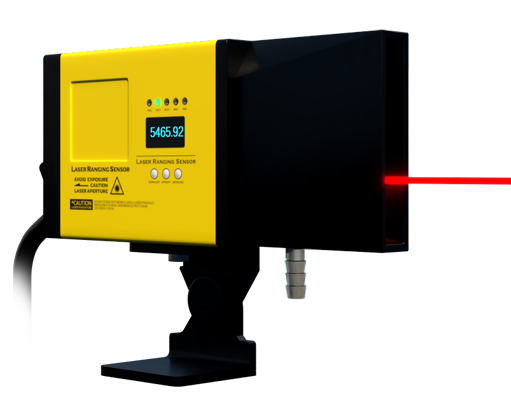
Response time or sampling rate indicates how quickly the sensor can take measurements, typically given in milliseconds or hertz. A fast response time, such as 1 ms, is essential in dynamic processes like robotics or high-speed sorting, where delays could lead to errors. Conversely, slower sensors may suffice for static measurements. Engineers should match the response time to the system's speed requirements to avoid bottlenecks.
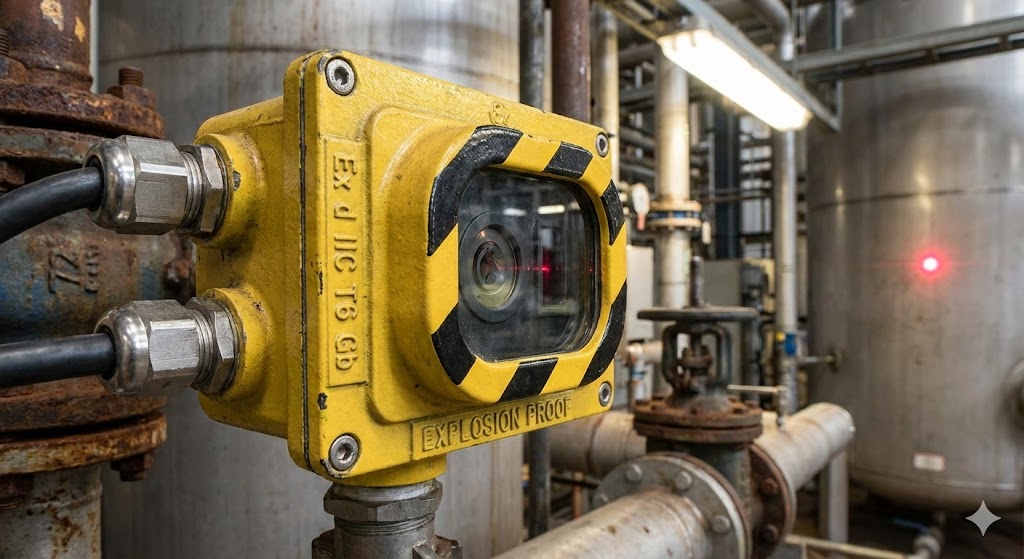
The laser type and wavelength significantly impact performance. Common industrial lasers include red lasers (around 650 nm) and infrared lasers (e.g., 905 nm). Red lasers are visible, aiding in alignment and setup, but may be affected by ambient light. Infrared lasers are less susceptible to interference and are preferred in harsh environments. Additionally, laser class (e.g., Class 1 or Class 2) relates to safety, with higher classes requiring more precautions to prevent eye damage.
Environmental factors like temperature stability and ingress protection (IP) rating are often overlooked but critical. Temperature drift can affect accuracy, so sensors with low drift coefficients (e.g., ±0.01% per °C) are chosen for fluctuating conditions. IP ratings, such as IP67, ensure resistance to dust and water, making sensors suitable for outdoor or washdown applications in industries like food processing or automotive.
Output interfaces, including analog (e.g., 4-20 mA, 0-10 V) and digital (e.g., RS-485, Ethernet/IP, IO-Link), facilitate integration with control systems. Analog outputs are straightforward for simple setups, while digital interfaces offer advanced features like parameter configuration and diagnostics. Engineers should consider the existing infrastructure and communication needs when selecting an interface.
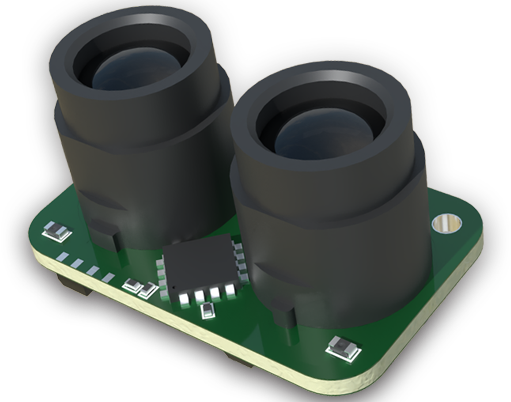
In summary, understanding parameters like measurement range, accuracy, resolution, response time, laser type, environmental robustness, and output options is key to optimizing laser sensor performance. By evaluating these factors against application requirements, engineers can enhance system efficiency, reduce downtime, and achieve reliable automation outcomes. Always refer to manufacturer datasheets and conduct real-world testing to validate sensor suitability.