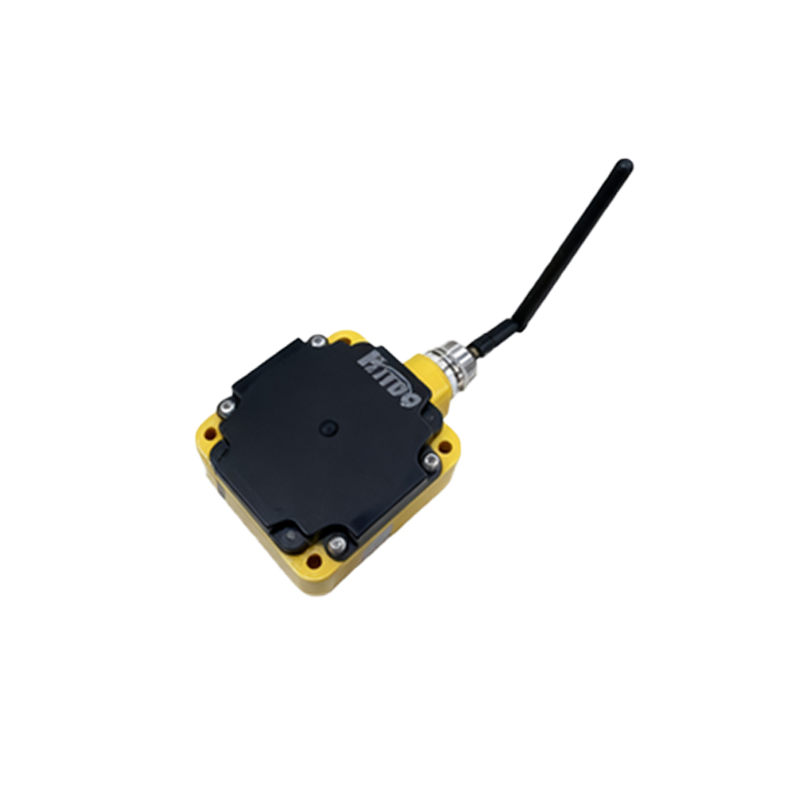
Proximity switches are indispensable components in modern industrial automation, providing non-contact detection of metallic and non-metallic objects. Among the leading innovations in this field is the New Euro Sensor series, a line of proximity switches designed to meet the rigorous demands of contemporary manufacturing, packaging, and material handling systems. This article delves into the technical specifications, operational principles, and practical applications of these advanced sensors, offering insights for engineers and technicians seeking reliable sensing solutions.
The New Euro Sensor proximity switches operate primarily on the inductive and capacitive sensing principles. Inductive variants are engineered to detect metallic objects, such as steel, aluminum, or copper, without physical contact. They generate an electromagnetic field, and when a metal target enters this field, it induces eddy currents that alter the oscillation amplitude, triggering the switch output. This mechanism ensures high precision and durability, as there is no mechanical wear. Capacitive models, on the other hand, can detect both metallic and non-metallic materials, including liquids, plastics, and wood, by measuring changes in capacitance caused by the target's dielectric properties. This versatility makes the New Euro Sensor series suitable for diverse industrial environments, from automotive assembly lines to food processing plants.
Key features of the New Euro Sensor proximity switches include robust construction, often rated at IP67 or higher for resistance to dust, moisture, and chemical exposure. Many models incorporate stainless steel housings or nickel-plated brass, enhancing longevity in harsh conditions. The sensors offer a wide operating voltage range, typically from 10V to 30V DC, ensuring compatibility with standard industrial power supplies. Output configurations vary, with options for NPN, PNP, NO (normally open), and NC (normally closed) circuits, allowing seamless integration into programmable logic controllers (PLCs) and other control systems. Additionally, advanced versions feature short-circuit protection, reverse polarity protection, and LED status indicators for easy diagnostics, minimizing downtime during maintenance.
In practical applications, New Euro Sensor proximity switches excel in tasks such as position sensing, object counting, and speed monitoring. For instance, in conveyor systems, they can detect the presence of packages to control sorting mechanisms, while in robotic arms, they ensure accurate end-effector positioning. The sensors' fast response times, often in the microsecond range, enable high-speed operations without lag, crucial for industries like electronics manufacturing where precision is paramount. Furthermore, their compact designs facilitate installation in space-constrained areas, and adjustable sensing distances provide flexibility for custom setups.
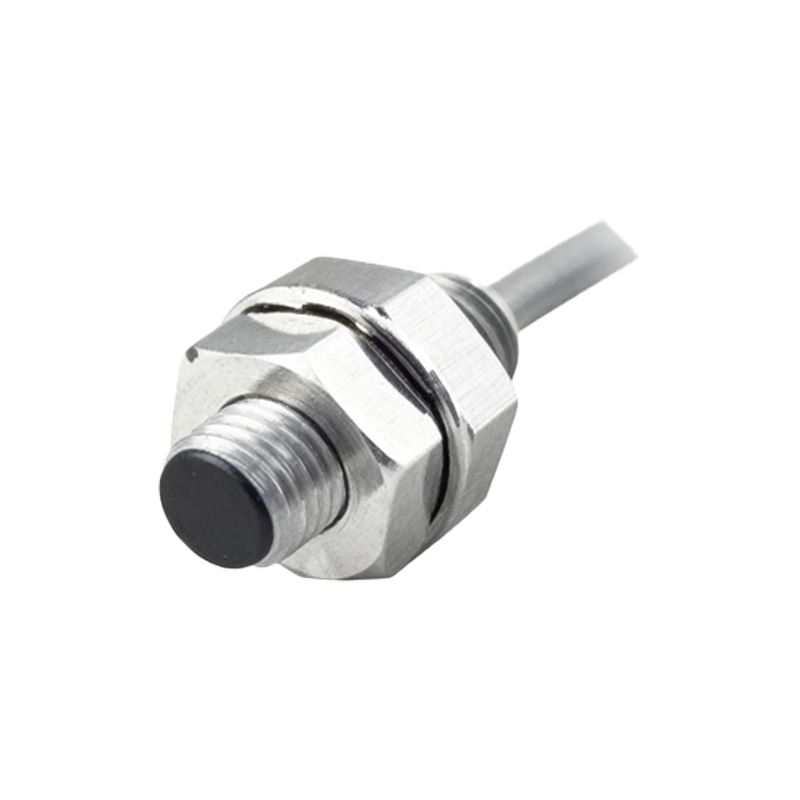
When selecting a New Euro Sensor proximity switch, engineers must consider factors like sensing distance, target material, and environmental conditions. Inductive sensors typically have shorter ranges, up to 40mm for standard models, while capacitive sensors may offer longer detection capabilities. It is also essential to account for temperature ranges, with most units operating reliably from -25°C to 70°C, and electromagnetic interference (EMI) resistance to prevent false triggers in electrically noisy settings. Regular calibration and adherence to manufacturer guidelines can optimize performance and extend service life.
In summary, the New Euro Sensor series represents a significant advancement in proximity switch technology, combining reliability, versatility, and durability. By understanding their operational nuances and application-specific requirements, industrial professionals can leverage these sensors to enhance automation efficiency, reduce maintenance costs, and improve overall system safety. As industries continue to evolve toward smarter factories, such innovations will play a pivotal role in driving productivity and innovation.