In the realm of computer peripherals, the evolution of the mouse from a simple mechanical device to a high-precision optical instrument represents a significant leap in human-computer interaction. Among the various technologies driving this evolution, laser positioning sensors have emerged as a cornerstone for performance-critical applications. This article delves into the engineering principles, advantages, and applications of laser sensor mice, offering insights for professionals and enthusiasts in the electrical and electronics industry.
At its core, a laser positioning sensor mouse operates on the principle of laser diode illumination and image sensor analysis. Unlike traditional optical mice that use an LED light source, a laser mouse employs a coherent, focused laser beam, typically from a vertical-cavity surface-emitting laser (VCSEL). This laser illuminates the surface beneath the mouse at a precise angle. The reflected light, which carries a detailed pattern of the surface microstructure, is captured by a complementary metal-oxide-semiconductor (CMOS) image sensor.
The sensor acts as a high-speed camera, taking thousands of consecutive images per second. A dedicated digital signal processor (DSP) or an integrated circuit then analyzes these images using sophisticated correlation algorithms. By comparing successive frames, the processor calculates the direction and magnitude of movement with extreme accuracy. This process, known as laser navigation, allows for tracking on a vast array of surfaces—from glossy desks and glass to uneven textiles—that would typically challenge conventional optical sensors.
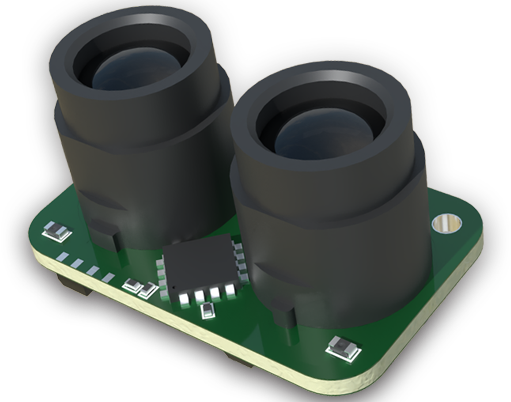
From an engineering perspective, the key advantages of laser positioning are rooted in its physics. The coherent nature of laser light creates a higher contrast image of surface textures, enabling the sensor to detect finer details. This results in a significantly higher resolution, often measured in dots per inch (DPI). Modern laser mice can achieve DPI ratings exceeding 16,000, translating to exceptional cursor sensitivity and precision. This high resolution is paramount for professionals in fields like computer-aided design (CAD), digital content creation, and competitive gaming, where minute movements must be accurately translated on-screen.
Furthermore, laser sensors exhibit superior tracking speed and acceleration tolerance. They can accurately report movements at speeds over 150 inches per second (IPS) with accelerations beyond 40 G. This performance metric is critical for fast-paced, rapid movements where data consistency cannot be compromised. The sensor's ability to function without a dedicated mousepad also enhances its versatility and reliability in diverse operational environments.
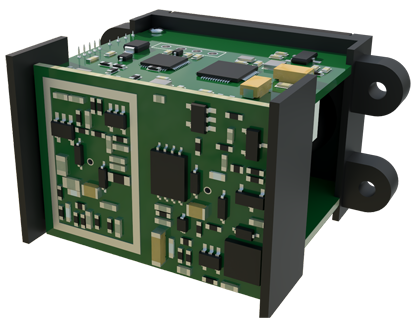
However, engineering such precision comes with challenges. Designers must carefully manage power consumption, as the laser diode and high-speed processing circuitry can drain battery life in wireless models. Advanced power management protocols and efficient chip design are essential. Additionally, mitigating potential interference and ensuring consistent performance across all surface types requires rigorous calibration and firmware optimization. The design of the lens that focuses the laser beam is also crucial, affecting the depth of field and the overall tracking quality.
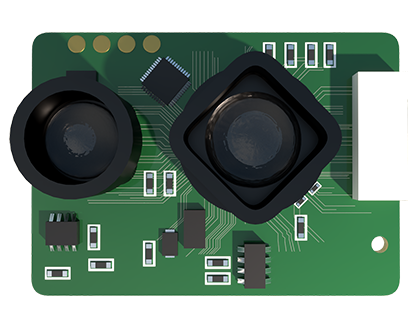
In industrial and specialized applications, the principles of the laser mouse sensor are scaled and adapted. High-precision laser tracking modules are integrated into coordinate measuring machines, robotic arms, and interactive kiosks, demonstrating the technology's robustness beyond consumer peripherals. The ongoing miniaturization of components and advancements in sensor fusion—combining laser data with inputs from gyroscopes or accelerometers—promise even greater capabilities for the future.
In conclusion, the laser positioning sensor mouse is a testament to applied optoelectronics and precision engineering. It transforms the simple act of cursor movement into a data-rich, high-fidelity interaction. For engineers and specifiers, understanding the underlying technology—from the VCSEL emitter to the correlation algorithms—is key to selecting the right tool for precision tasks and appreciating the continuous innovation in interface devices. The pursuit of lower latency, higher accuracy, and greater surface independence continues to drive research and development in this dynamic segment of the electronics industry.