In the realm of industrial automation, robotics, and precision manufacturing, high-precision proximity sensors are indispensable components. Their ability to detect the presence, absence, or position of an object with exceptional accuracy without physical contact makes them critical for ensuring efficiency, safety, and quality. A common and crucial question from engineers, procurement specialists, and project managers is: "How much do high-precision proximity sensors cost?" The answer is not a single figure but a spectrum influenced by a complex interplay of factors. This article provides a detailed analysis of the pricing landscape for these sophisticated devices.
Firstly, it is essential to define "high-precision" in this context. It typically refers to sensors with superior repeatability, minimal hysteresis, and very tight sensing distance tolerances. They often feature advanced technologies to achieve this, which is a primary driver of cost. The core technology is the most significant determinant of price. Inductive proximity sensors, used for detecting metals, are generally the most cost-effective among precision types. Prices can range from approximately $50 to $300 USD per unit. However, high-precision variants with analog output (e.g., 4-20mA or 0-10V) for precise distance measurement, or those with exceptional temperature stability and shielding, can reach the higher end of this range.
Capacitive sensors, capable of detecting both metallic and non-metallic materials, tend to be more expensive due to their complex circuitry for sensitivity adjustment against environmental factors. High-precision capacitive sensors often start around $80 and can extend to $400 or more. The most premium category is occupied by laser distance sensors and confocal displacement sensors. These optical devices offer micrometer-level resolution and are used in ultra-precise applications like semiconductor manufacturing or wafer inspection. Their prices reflect this capability, typically starting from $500 and easily reaching several thousand dollars per unit.
Beyond core technology, performance specifications drastically affect cost. Key parameters include:
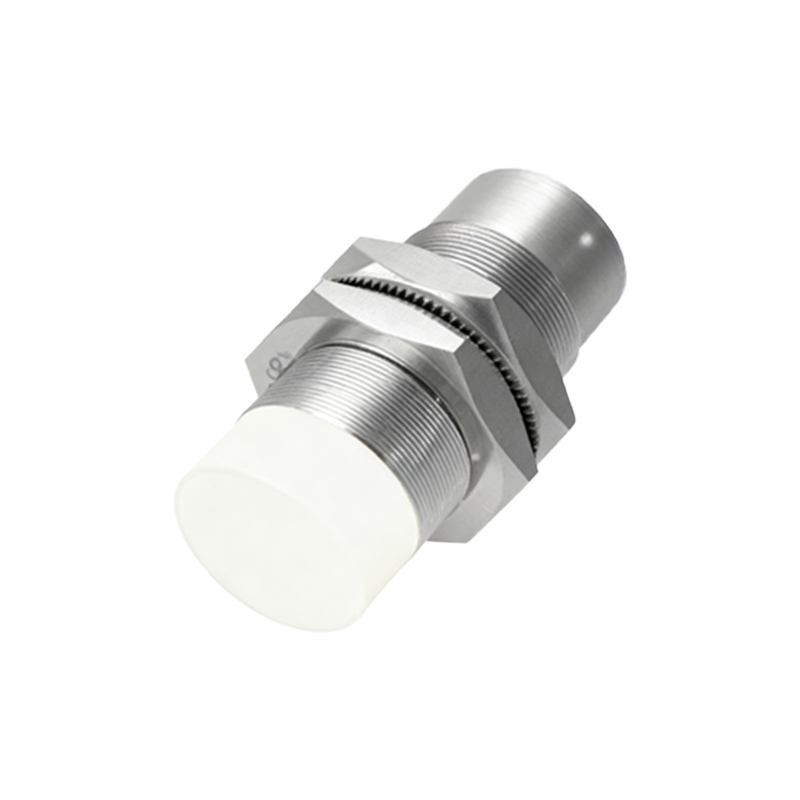
Measurement Range: A sensor with a 2mm range and 1-micron precision will cost significantly more than a standard 10mm range sensor.
Accuracy and Repeatability: Specifications like ±0.1% full scale versus ±1% full scale command a price premium.
Output Type: Simple digital (PNP/NPN) outputs are cheaper. Analog outputs (IO-Link, analog voltage/current) and advanced digital interfaces (EtherCAT, PROFINET) add cost due to integrated electronics.
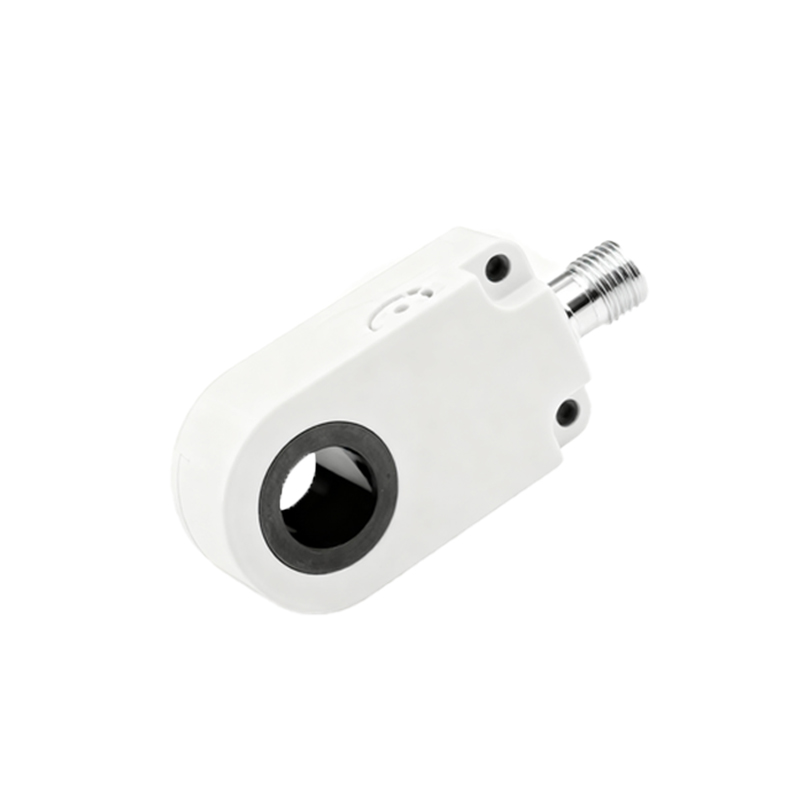
Environmental Ratings: Sensors rated for IP67, IP69K, or extreme temperatures (-40°C to 85°C) involve more robust housing and sealing, increasing the price.
Special Features: Built-in temperature compensation, teach-in functionality, high resistance to electromagnetic interference (EMI), and hygienic (FDA/USP Class VI) designs for food and pharmaceutical use all contribute to a higher unit cost.
Brand reputation and supply chain positioning are other major factors. Established global leaders like Sick AG, Pepperl+Fuchs, Omron, Keyence, and Balluff are synonymous with reliability and cutting-edge technology. Their high-precision sensors often carry a premium, justified by extensive R&D, global support, and proven performance in critical applications. Prices from these manufacturers are typically 20-50% higher than those from reputable mid-tier or specialized brands. However, for mission-critical applications, this premium is often considered a worthwhile investment.
Purchasing volume is a universal economic lever. Buying a single sensor for prototyping will incur the highest unit price. OEM volumes (hundreds or thousands of units) can reduce the unit cost by 30% or more through negotiated contracts. It's also vital to consider the total cost of ownership (TCO). A cheaper sensor with a shorter lifespan, higher failure rate, or requiring frequent recalibration can be far more expensive in the long run than a higher-priced, more reliable alternative.
As a practical price reference (note: prices are approximate and subject to change):
Standard Inductive (Precision): $70 - $150
Analog Output Inductive (High-Precision): $150 - $350
High-Precision Capacitive: $120 - $450
Laser Distance Sensor (Mid-range): $500 - $1,500
Ultra-High-Precision Confocal Sensor: $2,000 - $10,000+
In conclusion, the cost of a high-precision proximity sensor is a direct reflection of its technology, performance, durability, and brand value. While entry-level precision sensors can be found for under $100, truly high-precision devices for demanding industrial applications commonly range from $200 to $2,000. For the most advanced metrology-grade systems, budgets must accommodate multi-thousand-dollar