In modern industrial manufacturing, laser cutting stands as a pinnacle of precision and efficiency. At the heart of optimizing this process lies a critical component: the laser cutting arrow sensor. These specialized sensors are engineered to detect and interpret the directional alignment, position, and operational status of laser cutting equipment, ensuring unparalleled accuracy in material processing. Unlike conventional sensors, arrow sensors are tailored for the high-speed, high-temperature environments typical of laser cutting applications, providing real-time feedback that minimizes errors and enhances productivity.
The core functionality of laser cutting arrow sensors revolves around their ability to monitor the laser's path and alignment. Using advanced photoelectric or fiber-optic technologies, these sensors detect minute deviations in the laser beam's trajectory, which could otherwise lead to material waste or defective products. For instance, in automotive or aerospace manufacturing, where components require micron-level precision, even a slight misalignment can compromise structural integrity. Arrow sensors mitigate this risk by continuously tracking the laser's position and sending corrective signals to the control system. This integration allows for adaptive adjustments during operation, maintaining consistent quality across production runs.
Integration with Industry 4.0 frameworks has further elevated the role of arrow sensors. Through IoT connectivity, sensor data can be streamed to centralized monitoring platforms, enabling predictive maintenance and data-driven optimization. Engineers can analyze trends in sensor readings to anticipate wear or calibration issues, reducing downtime and extending equipment lifespan. Moreover, compatibility with CNC systems and software like CAD/CAM ensures seamless workflow integration, from design to execution. This synergy not only boosts efficiency but also supports the customization demands of modern industries, where batch sizes are shrinking, and design complexity is increasing.
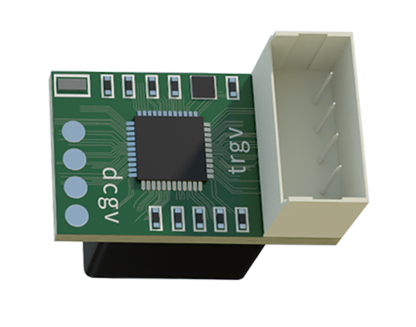
Key technical considerations for selecting arrow sensors include resolution, response time, and environmental resilience. High-resolution sensors capture finer details of the laser's movement, essential for intricate patterns or delicate materials like thin metals or composites. Response time, typically measured in microseconds, determines how quickly the sensor can detect and relay changes, crucial for high-speed cutting operations. Additionally, sensors must withstand extreme conditions, such as intense heat, dust, and electromagnetic interference common in industrial settings. Manufacturers often encapsulate sensors in rugged housings and employ cooling mechanisms to ensure reliable performance.

Looking ahead, emerging trends are shaping the evolution of laser cutting arrow sensors. The adoption of AI and machine learning algorithms enables sensors to learn from operational data, improving fault detection and adaptive control. For example, AI-powered sensors can identify patterns indicative of impending system failures, allowing preemptive interventions. Another trend is the miniaturization of sensor components, facilitating integration into compact or portable laser cutting systems without sacrificing capability. Furthermore, advancements in materials science, such as graphene-based detectors, promise enhanced sensitivity and durability, opening new possibilities for ultra-precision applications in electronics or medical device manufacturing.
In practice, implementing arrow sensors requires a holistic approach. Engineers must consider factors like installation positioning, calibration protocols, and compatibility with existing hardware. Regular maintenance, including lens cleaning and software updates, is vital to sustain accuracy. Training personnel on sensor interpretation and troubleshooting also plays a key role in maximizing ROI. Case studies from industries like sheet metal fabrication highlight how arrow sensors have reduced scrap rates by up to 30% and increased throughput by optimizing cutting paths, underscoring their value in competitive markets.
In conclusion, laser cutting arrow sensors are indispensable tools for achieving precision and efficiency in contemporary manufacturing. By leveraging cutting-edge technology and seamless integration, they empower industries to meet stringent quality standards while adapting to dynamic production needs. As innovation continues, these sensors will undoubtedly drive further advancements, solidifying their role in the future of smart manufacturing.