Plasma laser sensors represent a cutting-edge fusion of plasma technology and laser-based measurement principles, offering unprecedented precision in industrial sensing applications. These sensors operate by generating a controlled plasma field through electrical discharge, which interacts with targeted laser beams to detect minute changes in environmental conditions. The core mechanism involves emitting a focused laser into a plasma chamber, where ionized particles modulate the light's properties—such as intensity, wavelength, or phase—based on external factors like pressure, temperature, or chemical composition. This modulation is then analyzed by photodetectors and advanced algorithms to provide real-time, high-accuracy data.
In industrial settings, plasma laser sensors excel due to their robustness and adaptability. They are widely deployed in manufacturing lines for quality control, where they monitor parameters such as material thickness, surface defects, or alignment with micron-level precision. For instance, in automotive assembly, these sensors ensure weld integrity by detecting thermal variations, while in semiconductor fabrication, they verify nanoscale circuit patterns without physical contact, reducing contamination risks. Their non-invasive nature makes them ideal for harsh environments, including high-temperature foundries or corrosive chemical plants, where traditional sensors may degrade quickly.
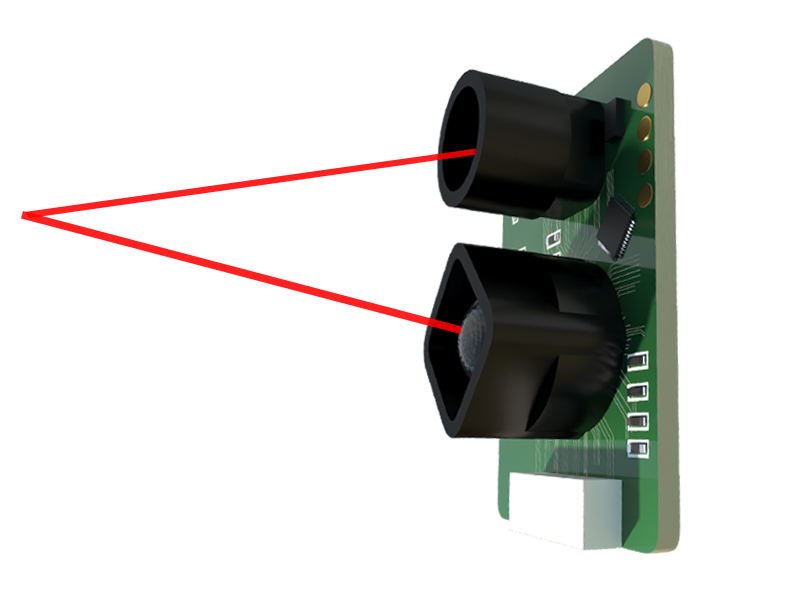
The integration of plasma technology enhances laser sensors' sensitivity and range. Plasma acts as an amplifier, intensifying the laser's interaction with target substances, which allows detection of ultra-low concentrations of gases or particulates. This is critical in emission monitoring for environmental compliance, where sensors identify pollutants like nitrogen oxides or volatile organic compounds at parts-per-billion levels. Additionally, plasma fields can be tuned to specific frequencies, enabling multi-parameter sensing from a single device—a cost-effective solution for complex industrial processes.
Recent advancements have focused on miniaturization and connectivity. Modern plasma laser sensors incorporate micro-electromechanical systems (MEMS) to shrink their footprint, facilitating installation in compact machinery or IoT-enabled networks. Wireless protocols like Industrial IoT (IIoT) standards allow seamless data transmission to central control systems, enabling predictive maintenance and adaptive process optimization. For example, in energy sectors, sensors monitor pipeline integrity by detecting gas leaks early, preventing accidents and downtime.
Despite their advantages, challenges remain in calibration and cost. Plasma laser sensors require precise alignment and periodic recalibration to maintain accuracy, often necessitating skilled technicians. However, ongoing research in self-calibrating algorithms and durable materials is mitigating these issues. As industries embrace Industry 4.0, the demand for such sensors is projected to grow, driven by needs for automation, safety, and efficiency. In summary, plasma laser sensors are revolutionizing industrial measurement by combining laser precision with plasma versatility, paving the way for smarter, more responsive manufacturing ecosystems.