In the demanding environment of modern mining, operational safety and equipment reliability are non-negotiable priorities. Underground and surface mining operations present unique challenges, including hazardous atmospheres, extreme physical conditions, and the constant risk of equipment collision or failure. Proximity detection and object sensing have thus become critical components of a comprehensive safety and automation strategy. Among the specialized solutions developed for this sector, Three Force (Sanli) mining proximity sensors stand out for their robust design and dependable performance, engineered specifically to meet the rigorous standards of mining applications.
Mining proximity sensors are non-contact devices designed to detect the presence or absence of metallic objects within a specified range without any physical contact. In mining, they are ubiquitously deployed on heavy machinery such as continuous miners, shuttle cars, load-haul-dump (LHD) vehicles, conveyor systems, and hoists. Their primary functions include preventing collisions between machinery and personnel or other equipment, monitoring the position of critical components, controlling material flow, and ensuring automated sequences operate correctly. The failure of such a sensor can lead to catastrophic downtime, costly repairs, or, most gravely, severe personnel injury.
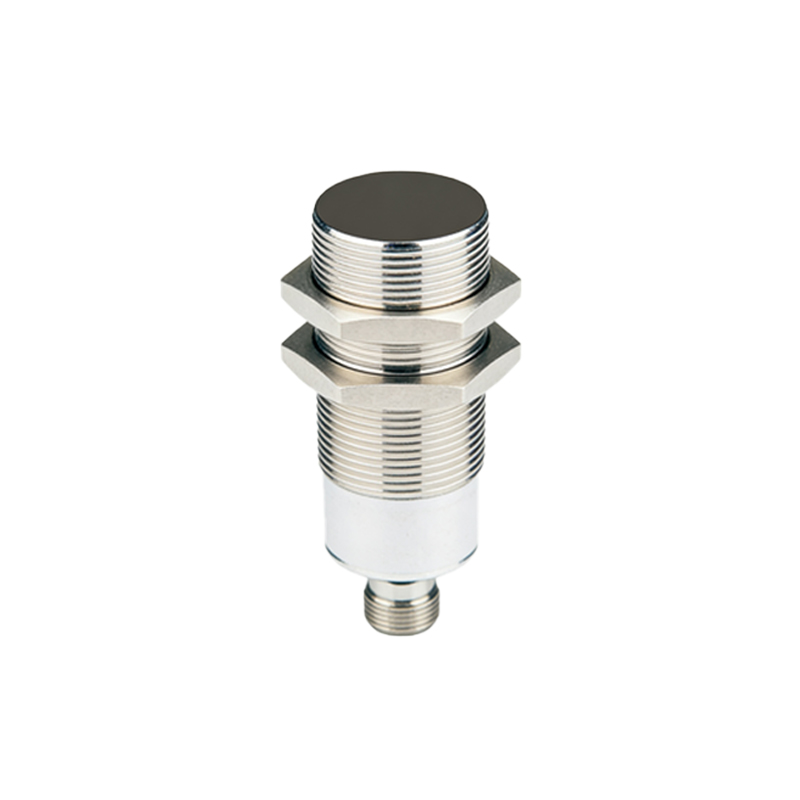
Three Force mining proximity sensors are built to excel in these harsh conditions. They typically feature a rugged, hermetically sealed housing constructed from materials like stainless steel or engineered polymers with high impact and corrosion resistance. This sealing is crucial, providing protection against ingress of dust, moisture, and water, often meeting high Ingress Protection (IP) ratings such as IP67 or IP68. Internally, the sensing technology is commonly based on inductive principles, generating an electromagnetic field to detect ferrous and non-ferrous metals. Key performance parameters include sensing distance, repeat accuracy, response frequency, and temperature tolerance. Three Force sensors are designed to maintain stable performance across a wide temperature range, from freezing conditions in some mines to the heat generated by continuous machinery operation.
A significant advantage of the Three Force product line is its compliance with stringent international and regional mining safety standards. These sensors are often certified for use in potentially explosive atmospheres, carrying approvals like ATEX, IECEx, or MSHA. This intrinsic safety or explosion-proof design ensures that the sensor will not become an ignition source in environments where flammable gases, vapors, or dust may be present. Furthermore, their electrical outputs are designed for easy integration into existing mining control systems, offering options like NPN/PNP transistor outputs, analog outputs, or IO-Link for digital communication, facilitating both simple switching and advanced predictive maintenance data collection.
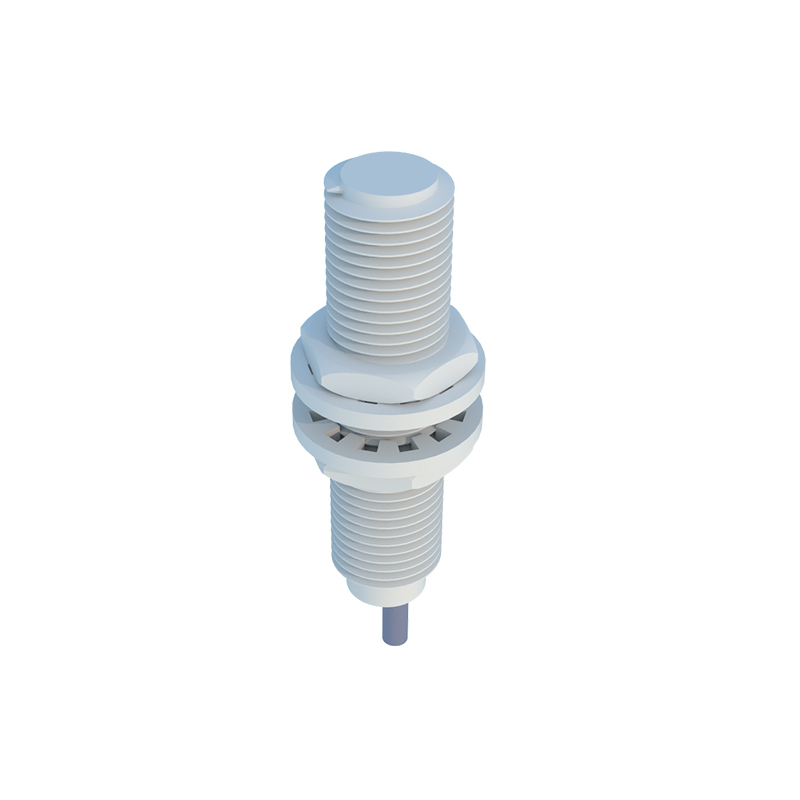
The practical applications of Three Force proximity sensors in a mining context are extensive. On a continuous miner, they can monitor the position of the cutter head or the tension of chains. On conveyor systems, arrays of sensors can detect belt misalignment, monitor speed, and prevent material pile-ups by controlling feed rates. On mobile equipment like LHDs, they form part of a Proximity Detection System (PDS), creating warning zones around the vehicle to alert operators and automatically slow or stop the machine if a person or object is detected too close. This directly contributes to reducing "struck-by" incidents, a leading cause of injuries in mining.
Selecting the right Three Force sensor requires careful consideration of several factors. The first is the required sensing distance and the nature of the target material. The installation environment dictates the necessary housing material, sealing level, and temperature rating. Electrical characteristics, such as supply voltage and output type, must match the control system's requirements. Finally, the specific hazardous area certification (Zone, Group, Temperature Class) is mandatory for underground coal mines or other gassy environments. Proper installation is equally critical; sensors must be securely mounted to withstand vibration and shock, and cabling must be protected from damage.
Looking forward, the role of sensors like those from Three Force is evolving with Industry 4.0 trends in mining, often termed "Mine 4.0." The integration of smart sensors with digital networks allows for real-time health monitoring, predictive maintenance, and data aggregation for optimizing entire processes. A smart proximity sensor can communicate not just the state of an object but also diagnostic information about its own performance, warning of potential failures before they occur. This shift from reactive to predictive maintenance maximizes equipment availability and further enhances safety.
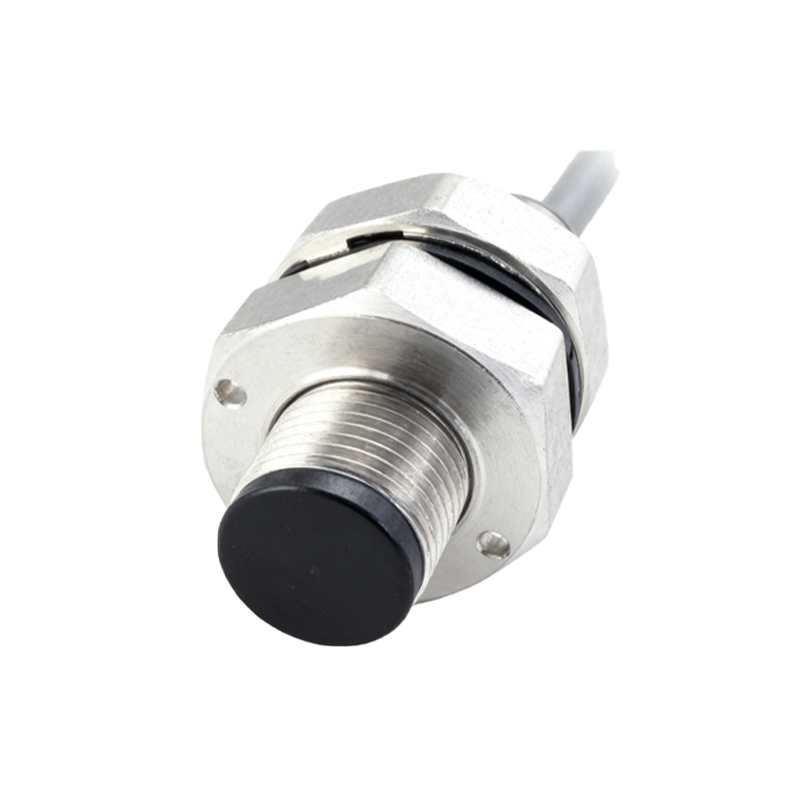
In conclusion, Three Force mining proximity sensors represent a vital technological layer in the modern mining ecosystem. Their specialized design for durability, safety certification, and reliable sensing under extreme conditions makes them an indispensable tool for protecting personnel, safeguarding expensive assets, and ensuring the smooth, efficient flow of operations. As mining continues to embrace greater automation and data-driven management, the dependable data provided by these robust sensors will remain a foundational element for progress, helping to forge a safer and more productive future for the industry worldwide.