In industrial automation and control systems, proximity sensors are indispensable components for detecting the presence or absence of objects without physical contact. Among the various types, the distinction between normally open (NO) and normally closed (NC) configurations is fundamental, influencing circuit design, safety protocols, and system behavior. This article delves into the operational principles, applications, and selection criteria for NO and NC proximity sensors, providing insights for engineers and technicians in the electrical and automation fields.
A proximity sensor, regardless of its technology—inductive, capacitive, or photoelectric—typically functions as a switch in an electrical circuit. The terms "normally open" and "normally closed" refer to the default state of the sensor's output contacts when no target object is within its sensing range. In a normally open configuration, the output circuit remains open (i.e., non-conductive) in the absence of a target. When an object enters the sensing field, the sensor activates, closing the circuit to allow current flow. Conversely, a normally closed sensor maintains a closed circuit (conductive state) when no target is detected. Upon detecting an object, it opens the circuit, interrupting the current. This binary behavior aligns with the principles of digital control, where NO and NC states correspond to logical "0" and "1" or vice versa, depending on the system design.
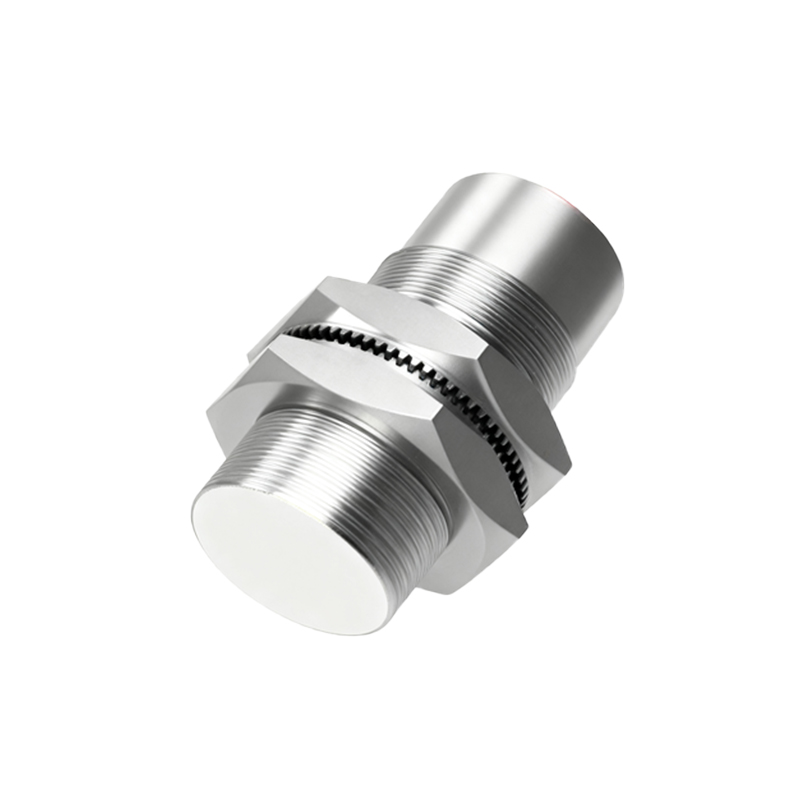
The choice between NO and NC sensors hinges on safety requirements, circuit logic, and fail-safe considerations. In safety-critical applications, such as emergency stop circuits or machine guarding, normally closed configurations are often preferred. This is because an NC sensor provides a fail-safe mechanism: if a wire breaks or the sensor malfunctions, the circuit opens, signaling a fault and triggering a shutdown to prevent hazardous operations. For instance, in a conveyor system, an NC proximity sensor monitoring a guard door would open the circuit if the door is ajar, immediately stopping the machinery to protect operators. In contrast, normally open sensors are commonly used in standard detection tasks, like counting parts on an assembly line or triggering actuators, where a failure might not pose immediate danger but requires reliable operation.
From a technical perspective, the output type of a proximity sensor—whether solid-state (PNP or NPN) or relay-based—also interacts with NO/NC functionality. Solid-state sensors, prevalent in modern automation, use semiconductor switches to control output. A PNP sensor, which sources current, can be wired as NO or NC by configuring the load connection. Similarly, NPN sensors, which sink current, offer flexibility in circuit design. Engineers must consider the compatibility with programmable logic controllers (PLCs) or other control devices; for example, a PLC input card might be optimized for either sinking or sourcing inputs, affecting the sensor selection. Additionally, environmental factors like temperature, humidity, and electromagnetic interference can influence performance, making it crucial to consult datasheets for specifications such as switching frequency, sensing distance, and housing materials.
In practice, many proximity sensors feature both NO and NC outputs in a single device, known as complementary or dual-channel outputs. This versatility allows for more complex control schemes, such as redundancy or state monitoring in automated systems. For example, in a packaging machine, one output might signal "product present" (NO) while the other indicates "no product" (NC), enabling precise timing and error detection. When integrating these sensors, wiring diagrams and ladder logic programming must account for the chosen configuration to avoid logic errors. A common mistake is assuming that an NO sensor always corresponds to an "on" signal; in reality, its behavior depends on the control algorithm and physical setup.
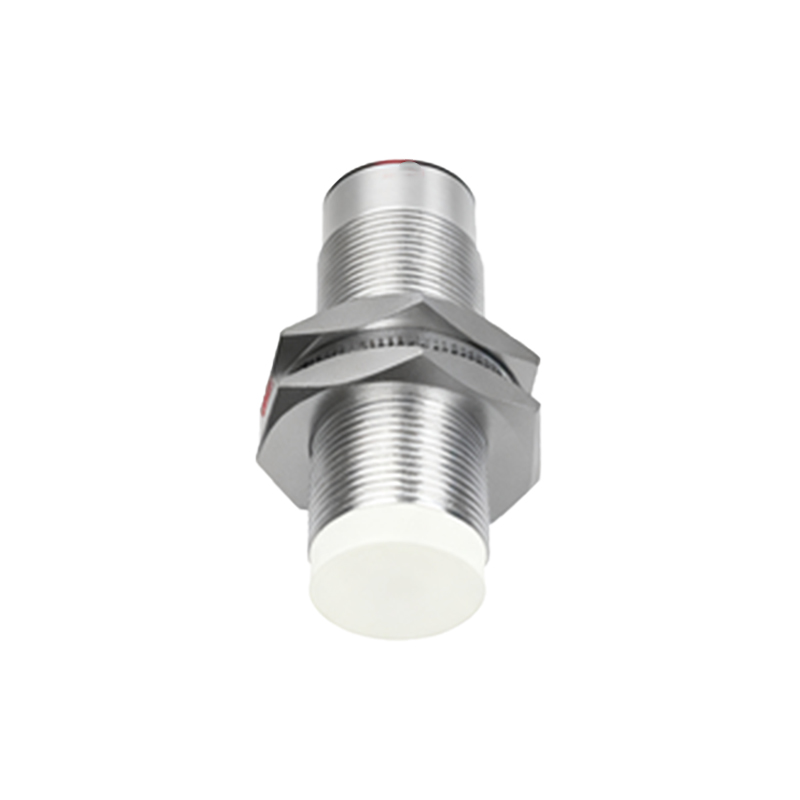
Maintenance and troubleshooting also differ between NO and NC sensors. With NC sensors, a continuous circuit indicates normal operation, so any interruption—whether from a fault or intentional activation—is easily detectable via diagnostic tools like multimeters or PLC status lights. For NO sensors, the absence of a signal under normal conditions means that faults might go unnoticed until a detection event occurs, potentially leading to downtime. Regular testing, such as simulating target presence, is recommended to ensure reliability. Furthermore, industry standards like IEC 60947-5-2 provide guidelines for proximity sensor performance and safety, emphasizing the importance of selecting certified products for compliance.
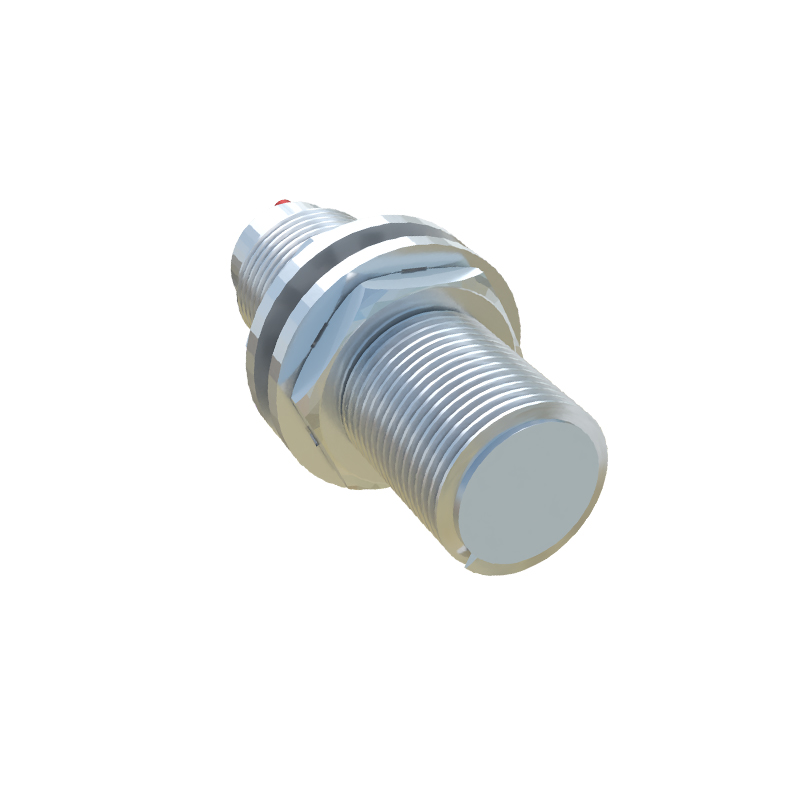
In summary, normally open and normally closed proximity sensors serve distinct roles in automation, driven by their default electrical states. While NO sensors are ideal for active detection in routine operations, NC sensors offer enhanced safety in fail-scenarios. Engineers should evaluate factors like circuit design, risk assessment, and system integration when choosing between them. As technology advances, smart sensors with configurable outputs and IoT connectivity are emerging, but the core principles of NO and NC remain essential for robust industrial control. By mastering these basics, professionals can optimize sensor applications for efficiency, safety, and longevity in diverse electrical environments.