In the demanding world of industrial automation, sensor reliability is non-negotiable. All-metal proximity sensors have emerged as a cornerstone technology, offering unparalleled durability and performance where conventional sensors fail. Unlike their plastic-housed counterparts, these robust devices feature a housing and sensing face constructed entirely from high-grade stainless steel or nickel-plated brass. This fundamental design choice grants them exceptional resistance to physical impacts, extreme temperatures, corrosive chemicals, and high-pressure washdowns—common adversaries on factory floors, in food processing plants, and within heavy machinery.
The operational principle remains based on electromagnetic fields, typically utilizing an inductive or capacitive sensing method. However, the all-metal construction necessitates sophisticated engineering to prevent the housing from interfering with the sensor's electromagnetic field. Advanced designs incorporate internal shielding and optimized coil geometries to ensure a stable and precise sensing range, even with the metal enclosure. This allows them to reliably detect the presence or absence of metallic objects without physical contact, a critical function for positioning, counting, and safety interlocks.
Key advantages are immediately apparent. Their mechanical strength virtually eliminates housing damage from tool drops, vibration, or accidental collisions. The hermetic seal provided by the solid metal body, often rated at IP67, IP68, or IP69K, protects internal electronics from dust, oils, coolants, and steam, ensuring long-term functionality in foundries, welding cells, and marine applications. Furthermore, the non-porous metal surface is easy to sanitize, making them ideal for pharmaceutical and food & beverage industries where hygiene standards are stringent.
When selecting an all-metal proximity sensor, engineers must consider several specifications. The sensing distance, while slightly less than equivalent plastic sensors due to shielding, must be adequate for the application. Temperature tolerance is another critical factor; high-quality models operate reliably from -25°C to +85°C or beyond. The choice of output type (PNP/NPN, analog, or IO-Link) and connection method (pre-wired cable or quick-disconnect) should align with the existing control system infrastructure.
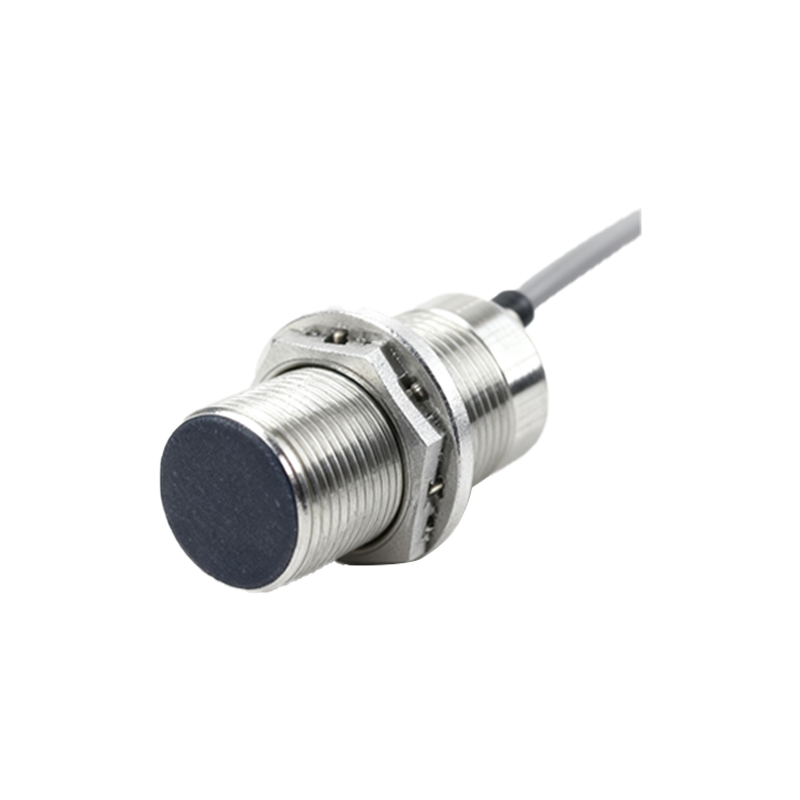
Installation and maintenance are straightforward but require attention to detail. Ensuring proper clearance around the sensing face is vital to avoid false triggers from surrounding metal structures—a parameter known as the "flush-mountable" or "non-flush" installation requirement. Regular checks for buildup of metallic swarf or debris on the sensor face will maintain optimal performance. Their inherent robustness means maintenance intervals are significantly extended, reducing total cost of ownership despite a higher initial investment.
In conclusion, the adoption of all-metal inductive proximity sensors represents a strategic move towards maximizing uptime and system resilience. They are not merely components but durable guardians of the automated process, engineered to withstand the test of time and the harshest environmental challenges. As industries push towards smarter and more connected operations, the fundamental robustness of these sensors provides the reliable data acquisition layer upon which advanced Industry 4.0 systems depend.