In industrial automation and machinery design, M18 proximity sensors are among the most widely used components for object detection, positioning, and counting applications. A critical yet often overlooked aspect of these sensors is their thread pitch, which directly impacts installation compatibility, sealing performance, and mechanical stability. This article provides a detailed overview of M18 proximity sensor thread pitch standards, practical considerations for selection, and common pitfalls to avoid during integration.
The standard thread pitch for M18 proximity sensors is 1.0 mm (metric fine thread). This specification applies to the vast majority of M18 cylindrical sensors available on the market, conforming to ISO 228-1 and DIN 3852 standards. The M18 designation refers to the nominal diameter of 18 mm, while the pitch defines the distance between adjacent threads—essential for ensuring proper engagement with mounting nuts, brackets, or threaded holes in machinery. In practice, the M18 x 1.0 thread configuration allows for secure fastening without requiring excessive torque, reducing the risk of sensor housing damage or misalignment.
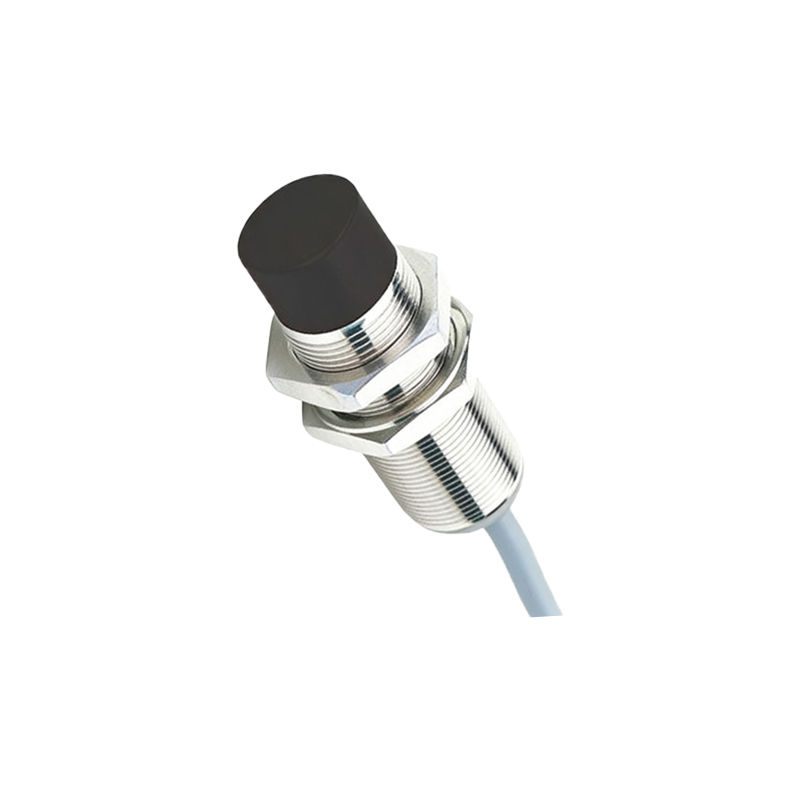
However, variations exist depending on regional standards and specialized applications. For instance, some North American manufacturers may offer M18 sensors with a Unified National Fine (UNF) thread pitch of 1/16 inch (approximately 1.5875 mm), though these are less common in global supply chains. Additionally, certain high-vibration or washdown environments might require sensors with finer pitches (e.g., M18 x 0.75 mm) to enhance sealing via compression fittings. Engineers must verify thread specifications in datasheets, as mismatched pitches can lead to cross-threading, fluid ingress, or premature sensor failure.
When selecting an M18 proximity sensor, consider the following factors beyond thread pitch:
1. Material Compatibility: Stainless steel housings with 316L grade threads are preferred for corrosive or hygienic settings, while brass or nickel-plated brass suits general industrial use.
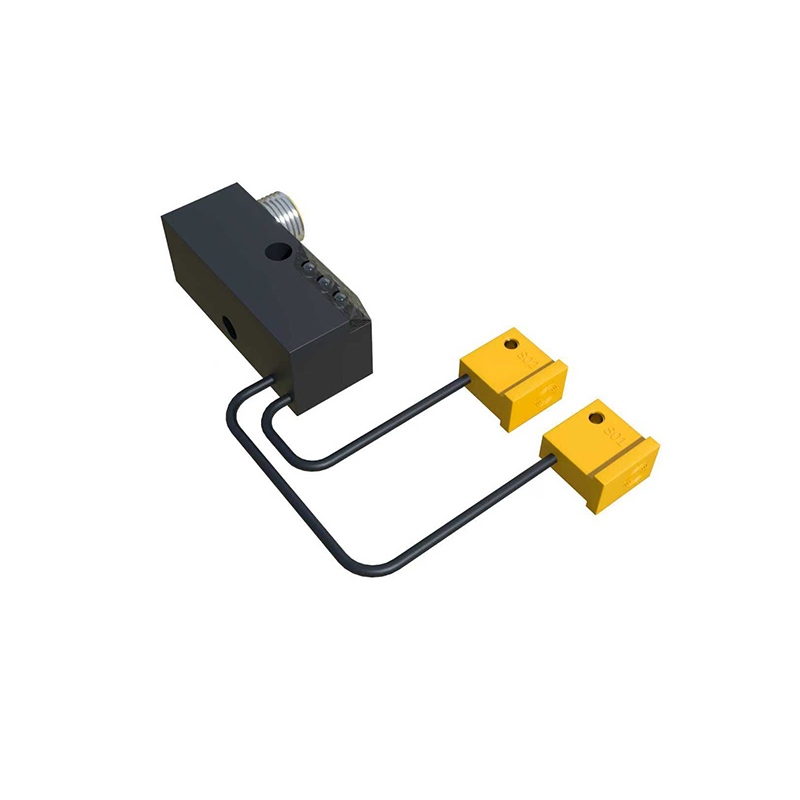
2. Sealing Requirements: Sensors with integrated O-rings or flat gaskets often rely on precise pitch alignment to maintain IP67/IP69K ratings.
3. Mounting Accessories: Locknuts, flange adapters, and brackets must match the sensor’s pitch to avoid mechanical stress.
4. Thread Depth: Standard engagement depth is 12–15 mm; insufficient depth compromises stability, especially in dynamic loads.
Installation best practices include using calibrated torque wrenches (typically 10–15 Nm for M18 x 1.0), applying thread-locking compounds only to non-sensing surfaces, and avoiding over-tightening that may deform housing or affect detection ranges. For retrofit projects, always measure existing threads with pitch gauges or consult OEM documentation to ensure compatibility.
In summary, the M18 x 1.0 mm thread pitch serves as the global benchmark for proximity sensors, balancing ease of installation with robust performance. By prioritizing thread verification and environmental adaptations, engineers can optimize sensor longevity and system reliability across diverse automation scenarios.