In the realm of precision measurement and industrial automation, GN laser displacement sensors have established themselves as indispensable tools. These non-contact measurement devices utilize laser triangulation or time-of-flight principles to achieve high-accuracy distance and position measurements. The core component is a laser diode that emits a focused beam onto a target surface. The reflected light is then captured by a receiving element, such as a CCD or PSD. By calculating the angle or time difference between the emitted and reflected light, the sensor's internal processor determines the precise distance to the target. This fundamental principle allows for measurements that are immune to the wear and tear associated with physical contact probes, making them ideal for delicate surfaces or high-speed production lines.
The advantages of GN laser displacement sensors are numerous. They offer exceptional resolution, often down to the sub-micron level, and high sampling rates, enabling real-time monitoring of dynamic processes. Their non-contact nature eliminates the risk of damaging the measured object or altering its properties. Furthermore, they are capable of measuring a wide variety of materials, including metals, plastics, glass, and even liquids, provided the surface provides sufficient diffuse reflection. Modern GN sensors are designed with robust housings, often meeting IP67 or higher ratings, ensuring reliable operation in harsh industrial environments with dust, coolant, or vibration. Advanced models incorporate features like automatic background suppression, programmable logic, and digital interfaces (e.g., Ethernet/IP, PROFINET, EtherCAT) for seamless integration into Industry 4.0 and smart factory networks.
Typical applications span across diverse sectors. In automotive manufacturing, they are used for gap and flush measurement on car body assemblies, brake disc thickness inspection, and weld seam profiling. In the electronics industry, they verify component coplanarity, measure solder paste height, and inspect PCB warpage. In metal processing, they control roll gap distances, monitor sheet thickness, and guide robotic arms for precise material handling. They are also pivotal in quality control for verifying dimensional tolerances of machined parts, monitoring vibration and runout on rotating machinery, and ensuring the correct fill level in packaging.
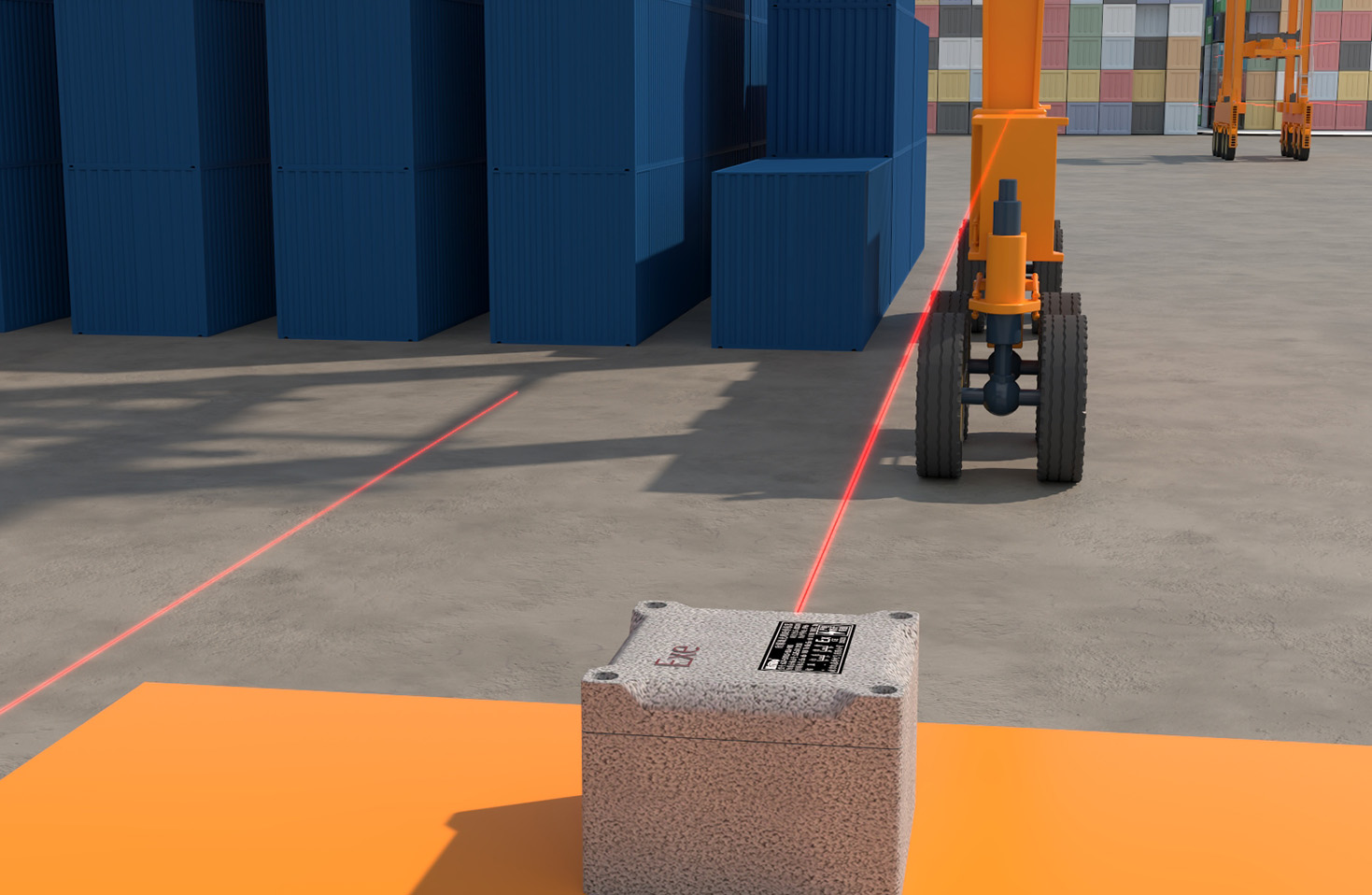
Selecting the appropriate GN laser displacement sensor requires careful consideration of several key parameters. First, define the required measuring range and standoff distance. The sensor must be positioned within its specified operating window relative to the target. Second, determine the necessary resolution and repeatability for the application. High-speed processes demand faster response times and higher sampling rates. Third, consider the target surface characteristics. Highly reflective or transparent materials may require sensors with special filters or algorithms, while dark, absorptive surfaces might need a sensor with a higher-powered laser. Fourth, evaluate the environmental conditions, including ambient light, temperature extremes, and potential contaminants, to choose a sensor with suitable protective housing and compensation features. Finally, the output interface and data protocol must be compatible with the existing control system, whether it's analog voltage/current, digital switching, or industrial Ethernet.
Installation and maintenance are straightforward but critical for optimal performance. Ensure the sensor is mounted securely to minimize vibration. The laser beam must be perpendicular to the target surface for the most accurate reading, and the optical path should be free of obstructions. Regular cleaning of the front lens with appropriate materials is necessary to prevent dust or oil buildup from scattering the laser beam. Most GN sensors require minimal calibration, often performed via teach-in functions or software, but periodic verification against a known standard is recommended to maintain long-term accuracy.

In conclusion, GN laser displacement sensors represent a mature yet continuously evolving technology that provides a critical link between physical processes and digital control systems. Their ability to deliver fast, precise, and reliable non-contact measurements makes them a cornerstone of modern automated manufacturing, robotics, and quality assurance. By understanding their operating principles, key features, and application requirements, engineers and technicians can effectively leverage these sensors to enhance productivity, improve product quality, and enable more sophisticated automation solutions. As industries push for greater precision and connectivity, the role of advanced sensing technologies like the GN laser displacement sensor will only become more pronounced.