In the realm of industrial automation, the synergy between proximity sensors and cylinders forms a critical backbone for countless applications. This partnership is fundamental to creating systems that are not only automated but also intelligent, responsive, and highly reliable. Understanding how these two components interact is key to designing efficient and robust machinery.
A pneumatic or hydraulic cylinder is an actuator that converts fluid power into linear mechanical force and motion. It consists of a piston inside a cylindrical bore. When pressurized air or oil is introduced, it pushes the piston, extending or retracting the rod to perform work—such as pushing, pulling, lifting, or clamping. Cylinders are prized for their simplicity, high force output, and durability in harsh environments. However, a cylinder operating in isolation lacks awareness. It doesn't know its own position, whether it has completed its stroke, or if an obstruction is present. This is where proximity sensors enter the picture.
Proximity sensors are non-contact electronic devices designed to detect the presence or absence of a target object without physical contact. In conjunction with cylinders, they are typically used to detect the piston's position—most commonly at the end of the stroke (fully extended or fully retracted). By providing this vital feedback to the control system (like a PLC or microcontroller), they transform a simple actuator into a smart, controllable motion element.
Several types of proximity sensors are commonly paired with cylinders, each with distinct advantages. Inductive proximity sensors are the most prevalent for metal cylinders. They generate an electromagnetic field and detect the eddy current losses caused when a metallic target (like the cylinder's piston or a built-in trigger) enters the field. They are ideal for detecting the position of the piston itself or a metal flag attached to the rod. Capacitive proximity sensors can detect both metallic and non-metallic targets (like plastic or liquid) by sensing changes in capacitance. While less common for basic piston detection, they are useful in applications involving non-metallic components near the cylinder. Magnetic proximity sensors, specifically reed switches or Hall-effect sensors, are extremely popular for cylinder integration. They detect the magnetic field from a permanent magnet embedded in the cylinder's piston. This allows for a completely sealed sensor design, as the magnetic field passes through the non-magnetic cylinder barrel wall. This design is robust, resistant to dirt, chips, and fluids, making it a standard for pneumatic cylinders.
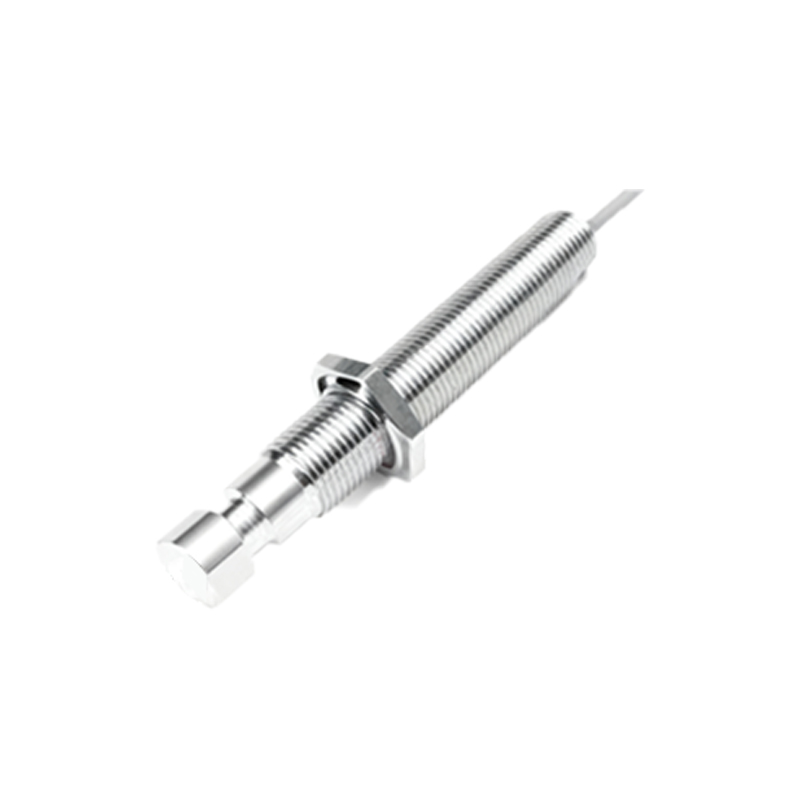
The integration of these sensors delivers transformative benefits to automated systems. The primary advantage is precise positional feedback. Knowing the exact real-time status of the cylinder (extended, retracted, or even mid-stroke with multiple sensors) allows for precise sequence control. This enables complex, multi-step machine cycles to proceed with confidence, only advancing to the next step when the previous motion is verified complete. This directly enhances safety. Sensors can confirm that a guarding cylinder has fully deployed before a dangerous process starts, or verify that a part is properly clamped before a machining operation begins. They are also crucial for error detection and diagnostics. If a sensor does not activate within an expected time window, the control system can trigger an alarm or stop the machine, indicating a potential problem like low air pressure, a mechanical jam, a broken rod, or a failed valve. This predictive capability minimizes downtime and prevents damage to products and equipment.
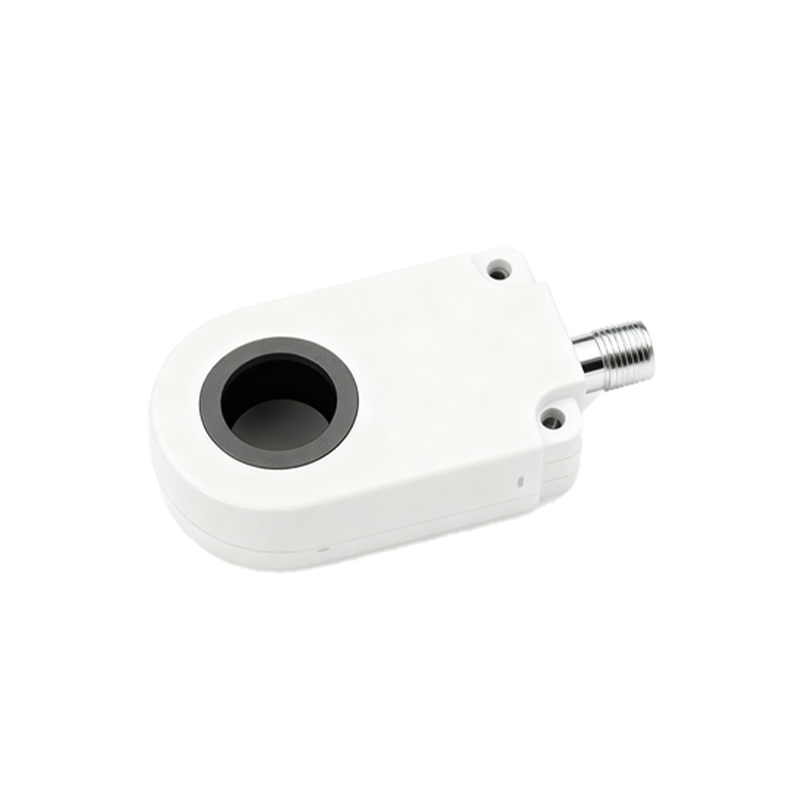
When implementing this combination, several practical considerations are paramount. For magnetic sensors, correct alignment between the sensor and the magnet in the piston is critical for reliable detection. The sensor must be mounted within its specified switching distance and aligned according to manufacturer specifications. Environmental factors must also be considered. Inductive sensors can be affected by heavy accumulation of metallic dust. All sensors have temperature, voltage, and current specifications that must be adhered to. Choosing the right output type (PNP/NPN, NO/NC) to match the control system's input card is essential for proper electrical integration. Furthermore, using sensors with LED status indicators greatly simplifies installation and troubleshooting.
From packaging lines and automotive assembly robots to material handling systems and woodworking machinery, the applications are ubiquitous. In a pick-and-place unit, sensors confirm the gripper cylinder has retracted fully with a part before the moving arm proceeds. In a stamping press, they verify the ejector cylinder has fully extended to remove the finished part before the next cycle. This continuous loop of action and verification is what creates seamless, high-speed automation.
In conclusion, the combination of proximity sensors and cylinders is far more than the sum of its parts. It represents a fundamental principle of modern automation: adding sensing and intelligence to basic mechanical action. The cylinder provides the muscle, while the proximity sensor provides the nervous system, feeding critical data back to the brain of the operation. This synergy ensures not just movement, but controlled, verified, and reliable motion, forming an indispensable duo for building efficient, safe, and productive industrial systems.