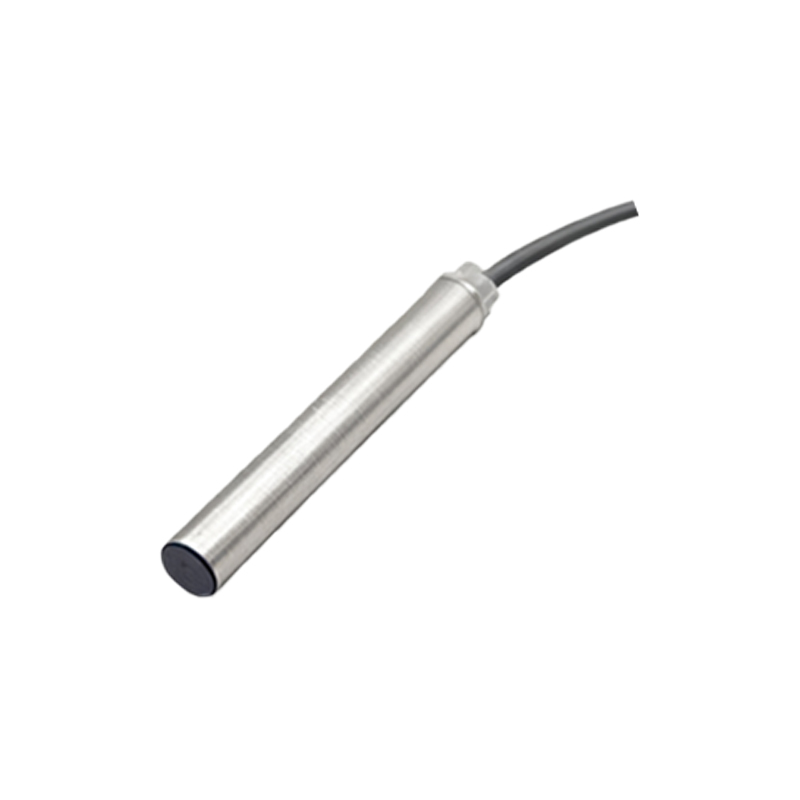
In the rapidly evolving landscape of industrial automation, the demand for speed, accuracy, and reliability has never been higher. At the heart of countless high-performance systems lies a critical component: the high speed proximity switch sensor. These devices are engineered to detect the presence or absence of an object without physical contact, operating at frequencies and response times that are essential for modern manufacturing, packaging, robotics, and automotive assembly lines.
Unlike traditional mechanical limit switches, high speed proximity sensors utilize electromagnetic fields, capacitive changes, or ultrasonic waves to sense metallic or non-metallic targets. The absence of moving parts translates to minimal wear, exceptional longevity, and the ability to function in harsh environments filled with dust, oil, or vibrations. The defining characteristic of a "high-speed" variant is its incredibly fast response time, often measured in microseconds. This allows for detection at rates exceeding several thousand operations per second, enabling precise timing and positioning in high-velocity applications. For instance, in bottling plants, these sensors can accurately count bottles speeding past on a conveyor belt. In robotic arms, they provide instantaneous feedback for exact positioning, preventing collisions and ensuring smooth, repetitive motions.
The technology behind these sensors primarily falls into three categories: inductive, capacitive, and ultrasonic. Inductive proximity sensors are the most common for detecting metallic objects. They generate an oscillating electromagnetic field. When a metal target enters this field, it induces eddy currents, causing a change in oscillation that the sensor's circuit detects, triggering a switch signal. Their high speed and immunity to environmental factors like dirt make them ideal for metal machining and part detection. Capacitive sensors, on the other hand, can detect both metallic and non-metallic materials—liquids, plastics, wood, or glass—by sensing changes in capacitance caused by the target material. They are crucial in industries like food processing or pharmaceutical packaging. Ultrasonic sensors use sound waves and are excellent for distance measurement and detecting objects with complex shapes, even in transparent or color-variable conditions.
Selecting the right high-speed proximity switch involves several key considerations. The sensing distance, or range, must be appropriate for the application to avoid false triggers or missed detections. The sensor's housing material, typically nickel-plated brass, stainless steel, or PBT plastic, must withstand the operational environment, including exposure to chemicals, temperature extremes, or washdowns. Output type is another vital factor; sensors can provide digital (PNP/NPN) or analog signals, interfacing directly with programmable logic controllers (PLCs) or other control systems. Furthermore, factors like switching frequency (the maximum number of detections per second), repeat accuracy, and immunity to electrical noise (EMI) are paramount for maintaining system integrity at high speeds.
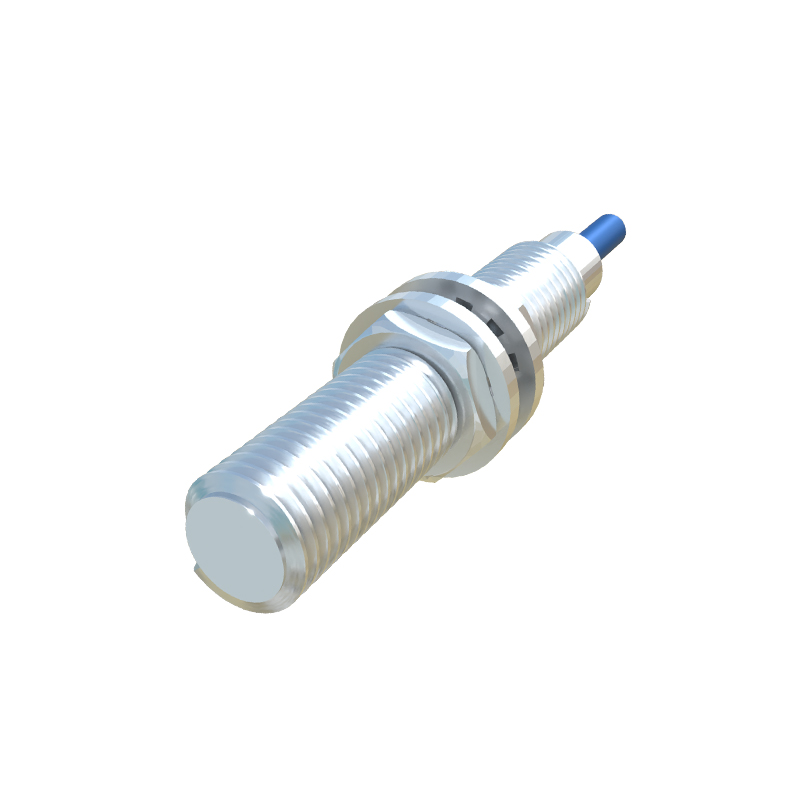
The benefits of integrating these sensors are substantial. They drastically reduce downtime by eliminating mechanical wear and tear, enhance product quality through consistent and precise detection, and improve overall system safety by providing reliable, contactless monitoring. As Industry 4.0 and the Industrial Internet of Things (IIoT) advance, modern high-speed proximity sensors are becoming smarter. Many now feature IO-Link communication, allowing for real-time parameter adjustment, predictive maintenance data, and seamless integration into networked digital factories. This intelligence transforms them from simple binary switches into valuable data points for optimizing entire production processes.
From ensuring the precise placement of electronic components on a circuit board at blinding speeds to coordinating the synchronized movement of autonomous guided vehicles (AGVs) in a warehouse, high speed proximity switch sensors are indispensable. They are the silent, swift guardians of efficiency, enabling the speed and precision that define contemporary automated systems. Their continued evolution, focusing on faster response times, smaller form factors, and enhanced connectivity, will undoubtedly propel the next wave of innovation in industrial automation, making processes not only faster but also smarter and more adaptable than ever before.