In the vast landscape of industrial automation, robotics, and advanced electronics, a silent revolution is taking place, driven by components so small yet so powerful that they redefine the boundaries of precision. Micro laser sensors stand at the forefront of this revolution. These miniature devices, often no larger than a fingertip, harness the focused power of laser light to perform measurement and detection tasks with astonishing accuracy, speed, and reliability, enabling capabilities once thought impossible for their size.
At their core, micro laser sensors operate on the fundamental principles of optical triangulation or time-of-flight measurement, miniaturized to an extreme degree. In a typical setup, a micro laser diode emits a highly concentrated beam of coherent light towards a target. The reflected light is then captured by a tiny, integrated photodetector, such as a CMOS or CCD array. By analyzing the position of the reflected light spot on the detector (triangulation) or the precise time it takes for the light pulse to return (time-of-flight), the sensor's onboard processor can calculate critical parameters like distance, displacement, height, or even the presence or absence of an object. This entire sophisticated process occurs within a housing that is frequently less than a cubic inch in volume, making them ideal for integration into space-constrained applications.
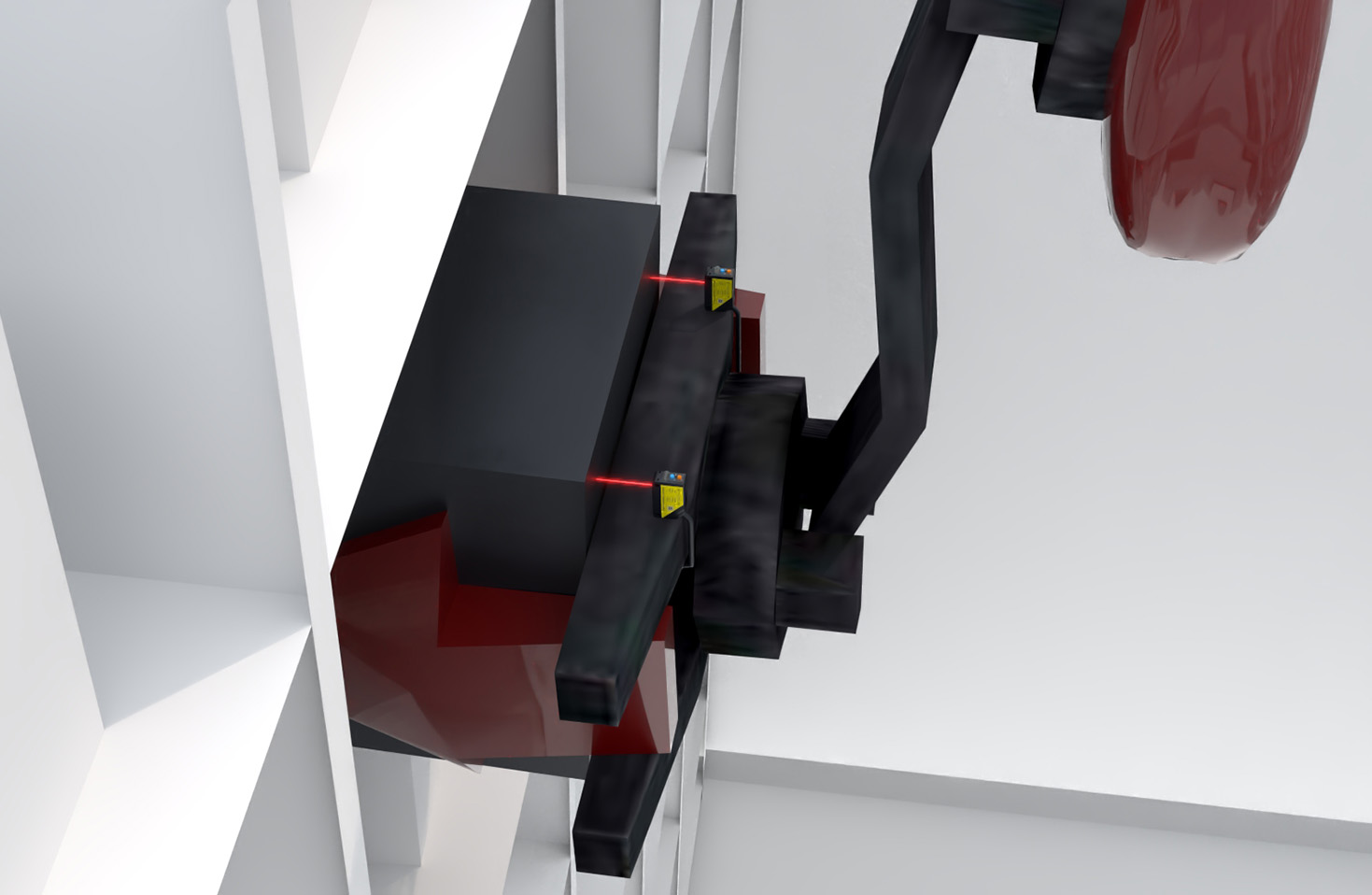
The advantages of deploying micro laser sensors are manifold and transformative. Their most celebrated attribute is their exceptional precision, capable of resolving measurements down to the sub-micron level. This makes them indispensable in semiconductor manufacturing for wafer inspection, in precision assembly lines for verifying component placement, and in medical device fabrication where tolerances are exceptionally tight. Furthermore, their non-contact nature is a critical benefit. By not physically touching the target, they eliminate the risk of damage to delicate surfaces, avoid wear and tear on the sensor itself, and enable measurements on hot, moving, or otherwise inaccessible objects. Their response time is another key strength, operating in the microsecond range, which allows for real-time monitoring and control in high-speed production environments, such as sorting systems on conveyor belts or robotic pick-and-place operations.
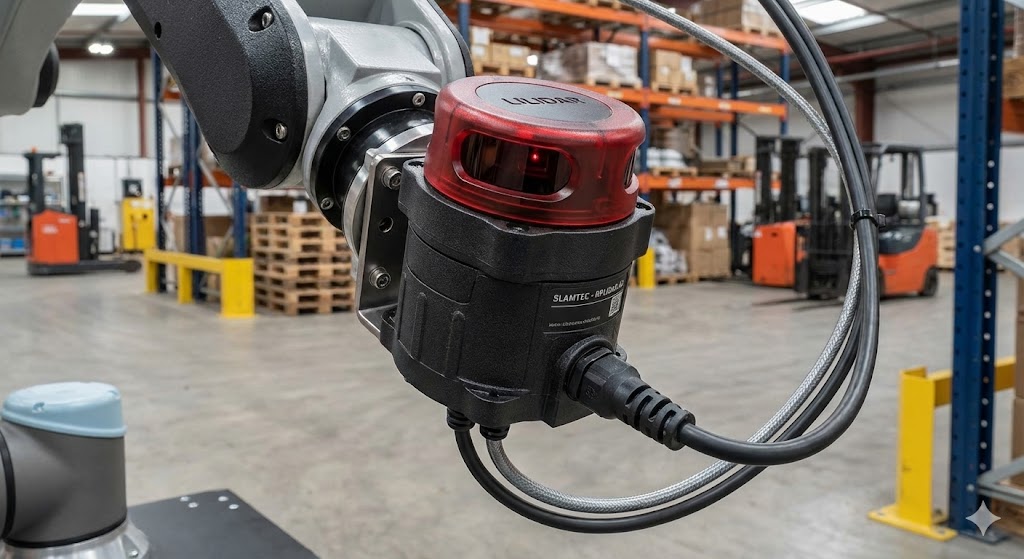
The applications for these tiny powerhouses are as diverse as modern industry itself. In consumer electronics, they are embedded within smartphones for autofocus and proximity sensing, and in laptops for gesture recognition. The automotive sector relies on them for precise gap and flush measurement on assembly lines, ensuring the perfect fit of doors and panels, and in advanced driver-assistance systems (ADAS) for short-range object detection. In the realm of robotics, micro laser sensors provide the essential "eyes" for navigation, obstacle avoidance, and precise manipulation of objects, enabling collaborative robots (cobots) to work safely alongside humans. They also play a crucial role in quality control, scanning products for defects, verifying dimensions, and ensuring consistency at speeds far beyond human capability.
However, the implementation of micro laser sensors is not without its considerations. Their performance can be influenced by environmental factors. The target's surface properties—such as color, reflectivity, and texture—can affect the strength and quality of the reflected signal. Highly reflective or transparent materials may pose challenges that require sensor tuning or specialized models. Ambient light, particularly strong direct sunlight or other competing light sources, can sometimes interfere with the laser beam, necessitating proper shielding or the use of sensors with modulated light sources that filter out background noise. Additionally, while the sensors themselves are robust, their optical windows must be kept clean, as dust, oil, or condensation can scatter or block the laser light, leading to measurement errors.
Looking ahead, the trajectory for micro laser sensors points toward even greater miniaturization, enhanced intelligence, and deeper integration. The convergence with micro-electro-mechanical systems (MEMS) technology promises sensors that are smaller, cheaper, and produced in vast volumes. Future iterations will feature more powerful onboard processing, allowing for edge computing where basic analysis and decision-making happen within the sensor itself, reducing latency and data load. Integration with the Internet of Things (IoT) will see these sensors becoming key data nodes, streaming precise measurement data directly to cloud platforms for analytics, predictive maintenance, and system-wide optimization.
In conclusion, micro laser sensors are far more than just scaled-down versions of their larger counterparts. They are a distinct and enabling technology that has unlocked new frontiers in design and manufacturing. By delivering laboratory-grade precision in a rugged, miniature package, they have become the unsung heroes of modern automation, driving efficiency, enabling innovation, and ensuring quality across a breathtaking array of industries. As technology continues to evolve, their role as the fundamental building blocks of smart, precise, and interconnected systems will only become more profound.