In the realm of industrial automation, precision and reliability are paramount. Laser presence sensors have emerged as a critical component in achieving these goals, offering unparalleled accuracy in detecting the presence or absence of objects across various applications. Unlike traditional mechanical or photoelectric sensors, laser sensors utilize a focused beam of coherent light, enabling them to detect minute objects at significant distances with high repeatability.
The fundamental principle behind a laser presence sensor involves emitting a laser beam towards a target. When the beam strikes an object, it is reflected back to the sensor's receiver. The sensor then analyzes the returned light, typically based on time-of-flight, triangulation, or intensity measurement principles, to determine the object's presence, distance, or position. This technology allows for detection ranges that can extend from a few millimeters to several hundred meters, depending on the model and application requirements.
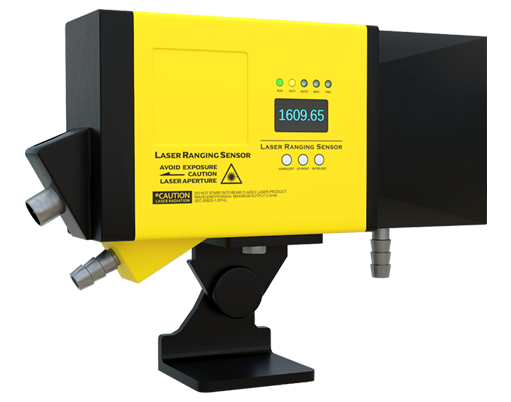
One of the standout advantages of laser sensors is their exceptional precision. The narrow, concentrated beam minimizes the detection area, reducing the likelihood of false triggers from background objects or ambient light interference. This makes them ideal for applications requiring high positional accuracy, such as in semiconductor manufacturing, automotive assembly lines, and packaging machinery. For instance, in robotic pick-and-place systems, a laser sensor can precisely verify that a component is correctly positioned before the robotic arm engages, preventing misalignment and potential damage.
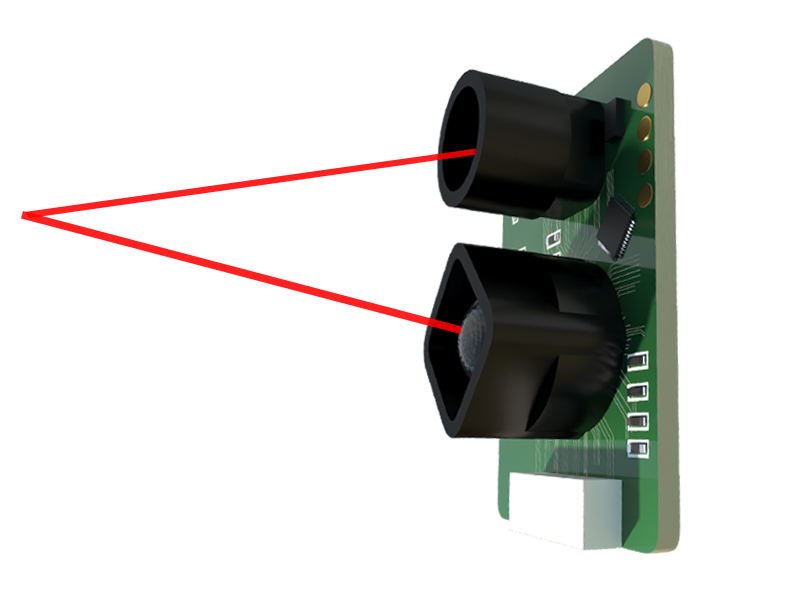
Moreover, laser presence sensors are highly versatile. They can detect a wide range of materials, including transparent, shiny, or dark surfaces that often challenge conventional sensors. Advanced models feature adjustable sensitivity and programmable logic, allowing engineers to tailor the sensor's response to specific environmental conditions or target characteristics. This adaptability is crucial in dynamic industrial settings where production lines frequently handle diverse products.
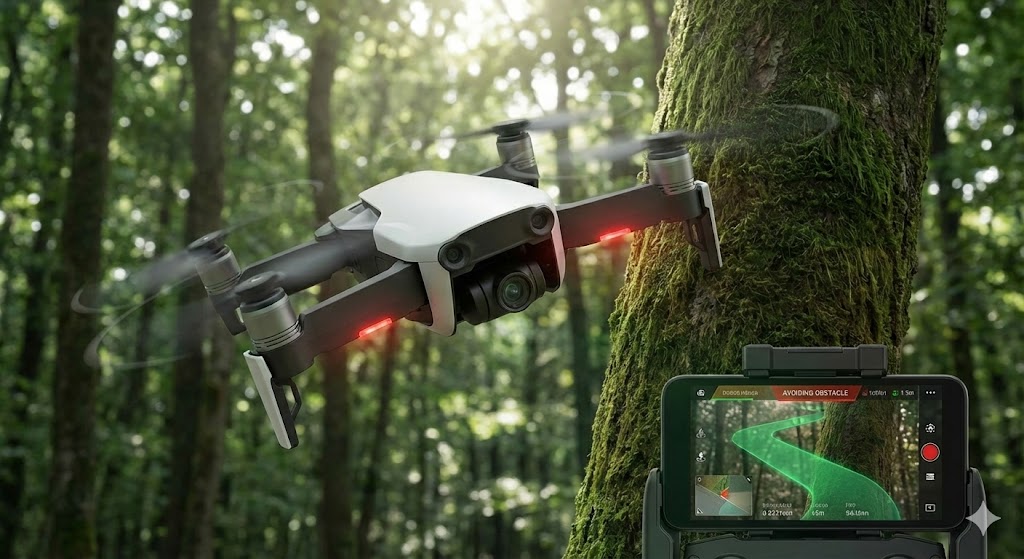
Durability is another key benefit. Designed to withstand harsh industrial environments, many laser sensors are housed in rugged, IP67-rated enclosures that protect against dust, moisture, and mechanical shocks. Their solid-state construction, with no moving parts, ensures long-term reliability and minimal maintenance, contributing to reduced downtime and operational costs.
However, implementing laser sensors requires careful consideration. Factors such as the target's reflectivity, environmental contaminants like dust or fog, and potential beam obstructions must be evaluated to ensure optimal performance. Proper alignment during installation is critical, as even minor deviations can affect accuracy. Additionally, safety precautions are essential, as Class 2 or higher laser products necessitate measures to prevent accidental eye exposure, though many industrial sensors are designed with eye-safe features.
In conclusion, laser presence sensors represent a sophisticated solution for modern industrial automation challenges. Their ability to deliver precise, reliable, and versatile detection enhances efficiency, quality control, and safety across numerous sectors. As technology advances, we can anticipate further innovations, such as integrated IoT connectivity for predictive maintenance and smarter, more adaptive sensor networks, solidifying their role in the future of intelligent manufacturing.