In the competitive landscape of industrial automation and electronics, a well-crafted product introduction for proximity sensors is not merely a description—it's a critical tool for communication, education, and sales. As an engineer deeply embedded in this field, I understand that the target audience, ranging from fellow engineers and procurement specialists to system integrators, requires precise, actionable, and technically sound information. Here is a structured guide on how to write a compelling and effective proximity sensor product introduction.
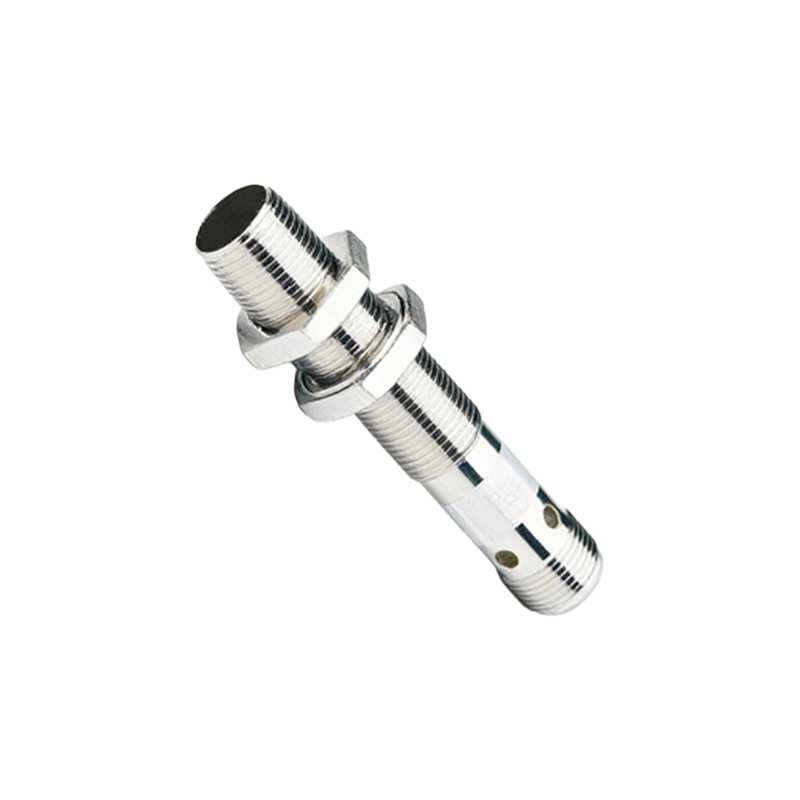
First and foremost, begin with a clear and concise headline that immediately states the sensor's core function and key differentiator. Avoid vague marketing jargon. For example, "Inductive Proximity Sensor for Harsh Metallic Object Detection" is far more effective than "Advanced Sensing Solution." The opening paragraph should expand on this, succinctly outlining the sensor's primary purpose—non-contact detection of objects within a specific range—and its significance in applications like machine safety, position control, or inventory management.
The core of the introduction must delve into the technical specifications with unwavering clarity. This section is the backbone for engineering audiences. Organize the data logically:
Sensing Principle: Explicitly state the technology—Inductive (for metals), Capacitive (for metals, liquids, and other materials), Ultrasonic, or Photoelectric. Briefly explain the operating principle in one or two sentences.

Key Specifications: Present critical parameters in a scannable format, either within the text or through a subsequent table. Essential specs include:
Sensing Distance (rated and actual).
Output Type (e.g., NPN/PNP, NO/NC, analog voltage/current, IO-Link).
Supply Voltage Range.
Housing Material (e.g., stainless steel, PBT plastic) and IP Rating (e.g., IP67, IP69K).
Response Time and Switching Frequency.
Temperature Range for operation and storage.
Environmental Robustness: Highlight features that ensure reliability. Detail its resistance to factors like washdowns, oils, coolants, vibration, and electrical noise. Mention any specific certifications (e.g., UL, CE, ATEX for hazardous areas).
Following the hard specs, articulate the product's Key Features and Benefits. This translates technical data into real-world value. Instead of just listing "short-circuit protection," explain the benefit: "Integrated short-circuit and reverse polarity protection safeguards both the sensor and your control system, reducing downtime and maintenance costs." Other valuable features to highlight include:
Embeddable or non-embeddable mounting options.
LED status indicators for easy diagnostics.
Constant sensing distance regardless of target material (for certain capacitive models).
Advanced diagnostics via IO-Link for predictive maintenance.
A product introduction is incomplete without a strong Application Examples section. Describe 2-3 specific use cases. For instance: "This cylindrical inductive sensor is ideal for detecting piston position in pneumatic cylinders on automated assembly lines," or "This capacitive sensor reliably detects fluid levels in opaque plastic tanks within food processing plants." This helps the reader visualize the sensor solving their particular problem.
Finally, conclude by guiding the reader on the next steps. Provide clear access to the complete datasheet, detailed CAD drawings for mechanical integration, and ordering information (including part number codes for different housing styles, connector types, and sensing ranges). A strong call-to-action, such as "Download the technical datasheet for full specifications" or "Contact our engineering support for application-specific guidance," is essential.
Remember, accuracy is paramount. Every claimed specification must be verifiable. The tone should be professional, confident, and helpful, avoiding hyperbole. By providing a thorough, well-organized, and benefit-driven introduction, you equip your audience with the necessary information to make an informed selection, thereby building trust and establishing your product as a reliable solution in the realm of industrial sensing.