Proximity sensors are indispensable components in modern industrial automation, particularly for detecting thin sheets in manufacturing processes. These sensors operate on various principles, including inductive, capacitive, and magnetic technologies, each suited to specific material types and environmental conditions. When dealing with thin sheets—such as metal foils, plastic films, or paper layers—proper selection and implementation are critical to ensure reliable performance.
Inductive proximity sensors are commonly used for metallic thin sheets due to their ability to detect conductive materials without physical contact. For optimal detection, the sensor's sensing distance must be calibrated based on the sheet's thickness and material properties. Thin sheets often have reduced mass, which can affect the sensor's electromagnetic field penetration. To address this, high-frequency oscillation models or sensors with enhanced sensitivity settings are recommended. Mounting position is also crucial; sensors should be aligned perpendicular to the sheet surface to maximize signal strength and avoid false triggers from edges or gaps.
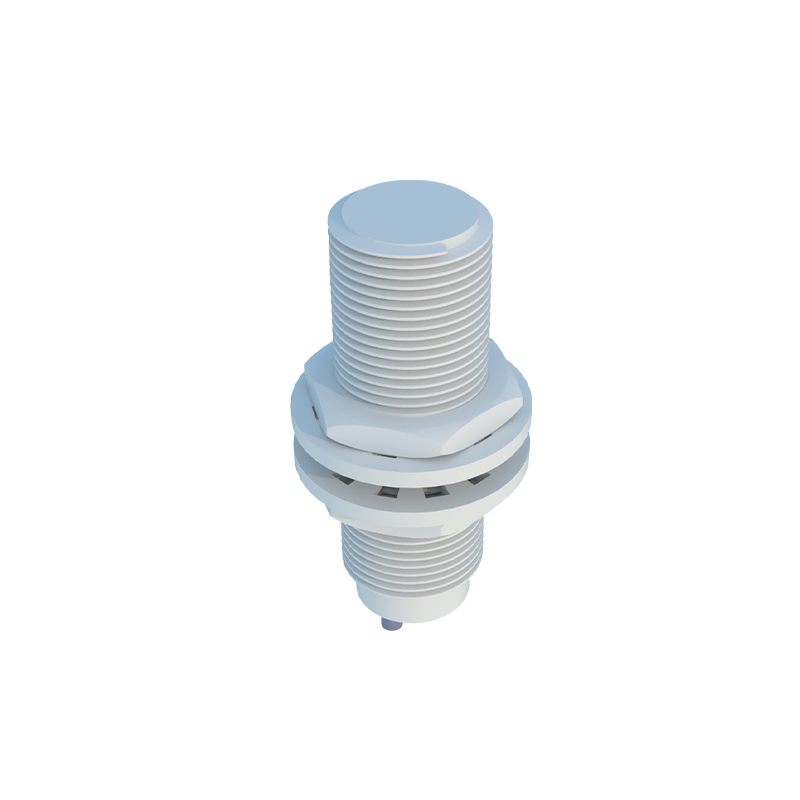
Capacitive proximity sensors offer versatility for non-metallic thin sheets, such as plastic or glass layers. These sensors detect changes in capacitance caused by the presence of any material, making them ideal for mixed production lines. However, environmental factors like humidity or dust can influence readings. Shielding and regular calibration help maintain accuracy. For ultra-thin materials (e.g., films under 0.1 mm), sensors with adjustable gain or custom threshold settings provide better stability.
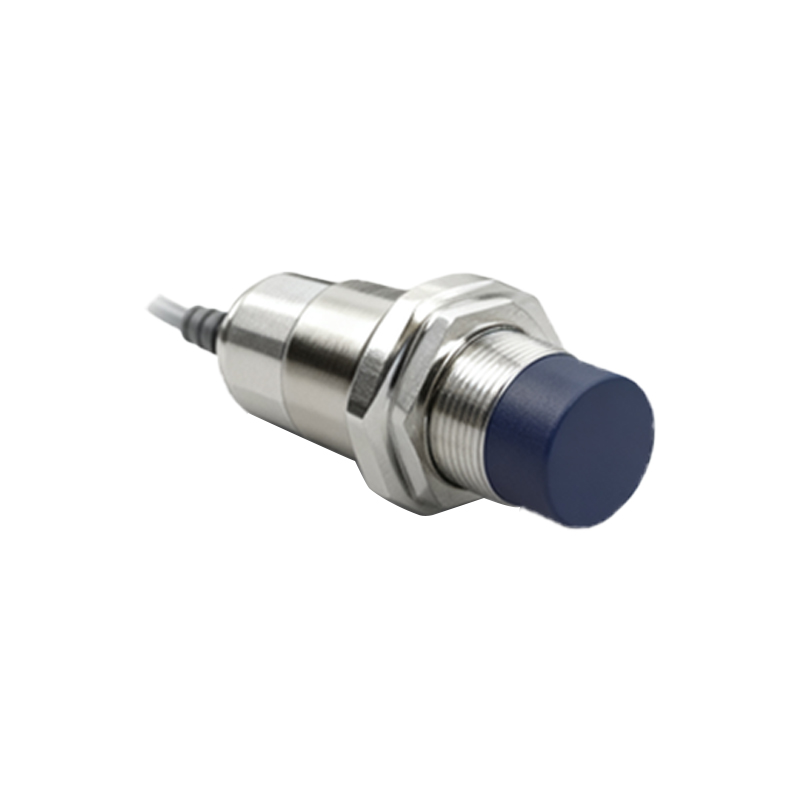
Magnetic proximity sensors are specialized for ferromagnetic sheets, often used in high-speed applications like stamping or cutting machines. Their robust design withstands vibrations and temperature fluctuations, but they require precise alignment with the sheet's movement path. Incorporating fail-safe mechanisms, such as redundant sensor arrays or real-time monitoring systems, minimizes downtime in case of sheet misalignment or sensor failure.
Installation best practices include ensuring a clean operating environment to prevent debris interference, using brackets for stable mounting, and verifying electrical compatibility with control systems (e.g., PLCs). Regular maintenance, like checking for wear or calibration drift, extends sensor lifespan. In summary, leveraging proximity sensors for thin sheet detection enhances efficiency and quality control in industries ranging from packaging to electronics manufacturing.