In the evolving landscape of electrical engineering, the demand for reliable, compact sensing solutions has led to significant advancements in miniature proximity reed sensor design. These sensors, leveraging the fundamental principles of reed switch technology, are pivotal in applications ranging from industrial automation to consumer electronics. A reed switch consists of two ferromagnetic reeds sealed within a glass envelope filled with inert gas. When exposed to a magnetic field, the reeds attract each other, closing the circuit. In proximity sensing, this magnetic field is typically generated by a moving magnet or an electromagnet, allowing non-contact detection of position, movement, or presence.
The design of miniature proximity reed sensors begins with meticulous material selection. The reeds are commonly made from nickel-iron alloys like Permalloy, chosen for their high magnetic permeability and low coercivity, ensuring swift and consistent switching. The glass envelope must exhibit excellent hermeticity to protect the reeds from environmental contaminants such as moisture, dust, and corrosive gases, thereby enhancing longevity and reliability. Miniaturization poses challenges here; reducing size while maintaining seal integrity requires precision glass-to-metal sealing techniques, often involving specialized alloys with thermal expansion coefficients matching that of the glass to prevent cracking during manufacturing or thermal cycling.
Electrical characteristics are paramount in design. Engineers must balance contact ratings, including voltage and current capacity, with the physical constraints of miniaturization. For instance, a typical miniature reed sensor might handle voltages up to 100V DC and currents up to 0.5A, suitable for low-power circuits in control systems. Contact resistance, typically below 100 milliohms, is minimized through surface plating with precious metals like gold or ruthenium, which also mitigates oxidation and ensures stable performance over millions of cycles. The actuation sensitivity, defined by the magnetic field strength required to close the contacts, is tailored based on application needs; higher sensitivity allows detection from greater distances but may increase susceptibility to external magnetic interference.
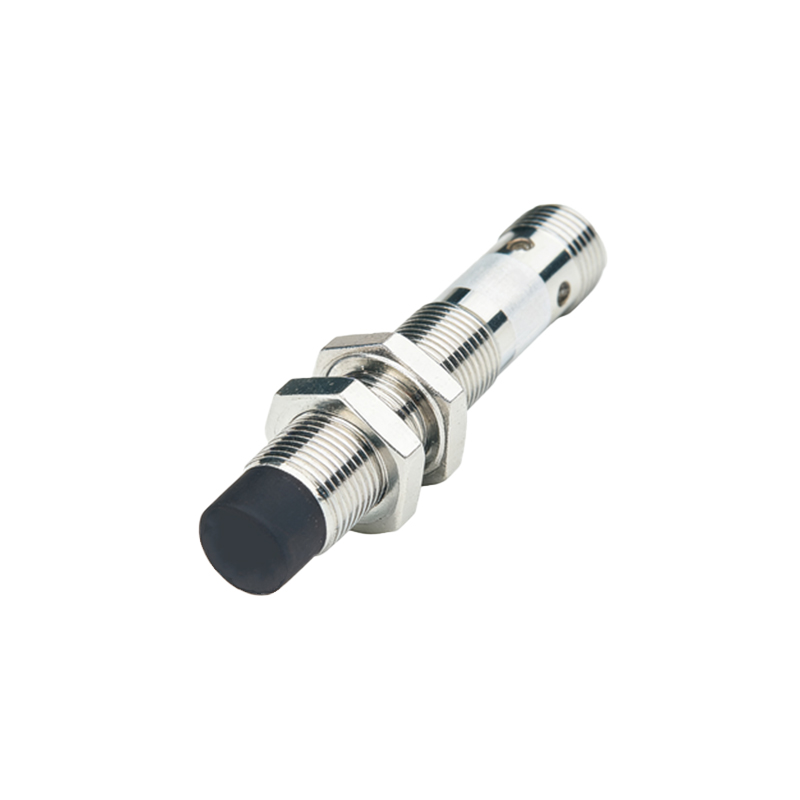
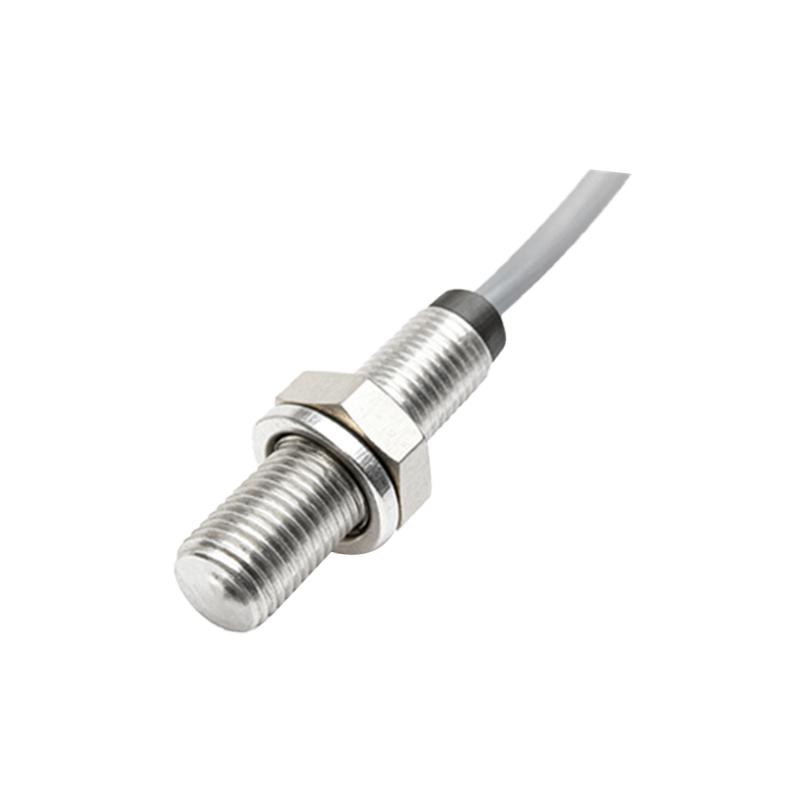
Mechanical design focuses on durability and form factor. The sensor housing, often constructed from engineering plastics or metals, provides structural support and facilitates mounting. In harsh environments, additional encapsulation with epoxy resins or silicone can offer enhanced resistance to vibration, shock, and temperature extremes, ranging from -40°C to +125°C. The lead wires or terminals are designed for easy integration into printed circuit boards or connector systems, with considerations for solderability and strain relief to prevent wire breakage. Miniature sensors, sometimes as small as 3mm in diameter, require automated assembly processes to ensure consistency and cost-effectiveness.
Application-specific customization is a key trend. In automotive systems, for example, proximity reed sensors are used in gear position detection or seatbelt indicators, where they must withstand high temperatures and electromagnetic interference. Here, designs incorporate shielding and filtering to suppress noise. In medical devices, such as infusion pumps, sensors prioritize biocompatibility and ultra-low power consumption to extend battery life. The rise of IoT has further driven innovation, with sensors integrating wireless capabilities for smart monitoring, though this often necessitates hybrid designs combining reed switches with microelectronics for signal conditioning.
Testing and validation are critical phases. Each sensor undergoes rigorous checks for parameters like pull-in and drop-out values (the magnetic thresholds for closing and opening), insulation resistance, and dielectric strength. Environmental testing simulates operational conditions, including humidity, thermal cycling, and mechanical stress, to ensure compliance with standards such as IEC 62246 for reed switches. Reliability metrics, like mean time between failures (MTBF), are derived from accelerated life testing, providing data that informs design refinements for improved robustness.
Future directions in miniature proximity reed sensor design involve materials science and integration. Research into amorphous magnetic materials could yield reeds with even higher sensitivity and lower power consumption. Additionally, the convergence with MEMS (Micro-Electro-Mechanical Systems) technology may enable monolithic sensor arrays for multi-point detection. As industries push for smarter, more connected systems, the role of these sensors will expand, demanding continuous innovation in design to meet evolving performance and miniaturization goals.