In the realm of industrial automation, selecting the right cylindrical proximity sensor is critical for ensuring reliability, precision, and efficiency in applications ranging from machine control to material handling. As a seasoned electrical engineer with years of field experience, I have evaluated numerous manufacturers to provide an informed perspective on which companies excel in this domain. This guide delves into key factors such as sensing technology, build quality, environmental resilience, and technical support, offering a comprehensive analysis to aid professionals in making optimal procurement decisions.
Cylindrical proximity sensors, typically housed in robust metallic casings, are indispensable for non-contact detection of objects. They primarily operate on inductive, capacitive, or magnetic principles, with inductive sensors being most common for metal detection. The "best" manufacturer often depends on specific application requirements, but several industry leaders consistently stand out due to their innovation and reliability.

First, consider sensing performance and technology. Top-tier manufacturers invest heavily in R&D to enhance sensing range, response time, and immunity to electromagnetic interference. For instance, some brands offer models with extended ranges up to 40mm for inductive sensors, coupled with sub-millisecond response times, which are crucial for high-speed automation lines. Advanced features like analog output, IO-Link communication, and temperature compensation further differentiate premium products. Companies that integrate smart diagnostics and predictive maintenance capabilities provide added value by reducing downtime.
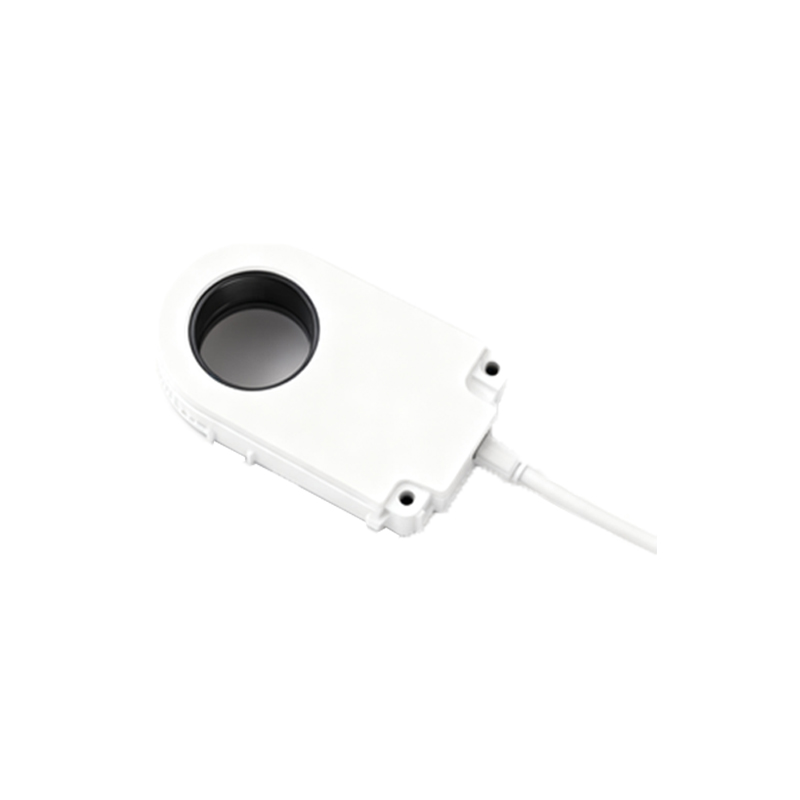
Build quality and durability are paramount in harsh industrial environments. Leading manufacturers design sensors with high-grade stainless steel or nickel-plated brass housings, rated IP67 or higher for resistance to dust, moisture, and chemicals. The internal components, such as oscillation circuits and amplifiers, must withstand vibrations and thermal fluctuations. Brands with a proven track record in automotive, packaging, and heavy machinery sectors often excel here, as their products undergo rigorous testing to meet international standards like IEC 60947-5-2.
Another critical aspect is product range and customization. A superior manufacturer offers a diverse portfolio, including shielded and unshielded variants, different thread sizes (e.g., M8, M12, M18, M30), and various output configurations (PNP/NPN, NO/NC). Customization options for cable lengths, connectors, and sensing characteristics cater to niche applications, demonstrating a manufacturer's flexibility and customer-centric approach.

Technical support and global availability cannot be overlooked. The best companies provide comprehensive documentation, application engineering assistance, and readily available spare parts. A robust distribution network ensures quick delivery and local service, which is vital for minimizing production disruptions. Additionally, manufacturers that offer online tools for selection and configuration streamline the procurement process.
Cost-effectiveness, while important, should be evaluated in terms of total cost of ownership rather than just initial price. Premium sensors may have a higher upfront cost but often deliver longer service life and lower failure rates, resulting in significant savings over time. Consider warranties and after-sales service as indicators of a manufacturer's confidence in their products.
In summary, identifying the best manufacturer for cylindrical proximity sensors involves a holistic assessment of performance, durability, variety, and support. Industry stalwarts like those with a strong presence in Europe, North America, and Asia frequently lead the market due to their continuous innovation and adherence to quality. For professionals, aligning specific operational needs with a manufacturer's strengths—whether for high-precision tasks, extreme environments, or smart factory integration—is key to achieving optimal outcomes. Always consult technical datasheets and, if possible, conduct in-house trials to validate sensor suitability before large-scale deployment.