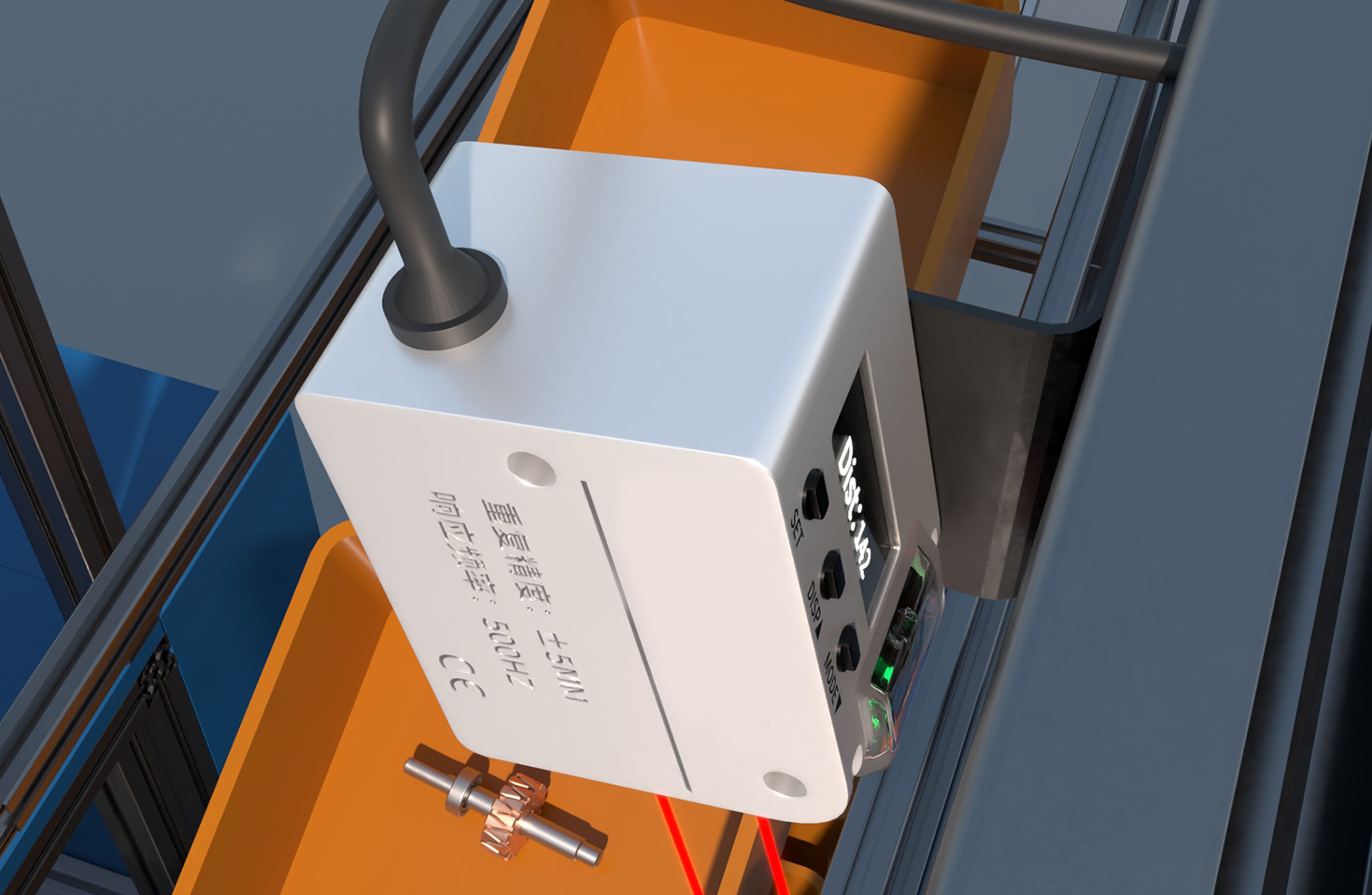
Laser acoustic sensors represent a significant leap forward in non-contact measurement technology, offering unparalleled precision in detecting sound waves and vibrations through optical means. Unlike traditional piezoelectric sensors that require physical contact with the target surface, laser acoustic sensors utilize laser beams to capture acoustic signals remotely. This capability makes them ideal for applications in harsh environments where direct contact is impractical or dangerous, such as in high-temperature industrial settings, corrosive atmospheres, or rotating machinery.
The core principle behind laser acoustic sensors involves the use of interferometry. A laser beam is directed at the surface of interest, and the reflected light is analyzed for phase shifts caused by surface vibrations induced by acoustic waves. These minute changes in the light wave are then converted into electrical signals, which can be processed to reveal detailed information about the acoustic source, including frequency, amplitude, and propagation characteristics. Advanced models incorporate Doppler techniques or fiber-optic configurations to enhance sensitivity and reduce noise interference, enabling detection of ultrasonic frequencies beyond the range of human hearing.
In industrial applications, laser acoustic sensors are revolutionizing condition monitoring and predictive maintenance. For instance, in power generation plants, they are deployed to monitor turbine blades for early signs of fatigue or cracking by detecting subtle acoustic emissions during operation. Similarly, in manufacturing, these sensors can identify defects in materials—such as micro-cracks in composites or welds—by analyzing the acoustic signatures produced under stress. The aerospace sector benefits from their ability to inspect aircraft components without disassembly, assessing structural integrity through acoustic emission testing during simulated flight conditions.
The energy sector also leverages laser acoustic sensors for pipeline monitoring. By detecting acoustic leaks in oil and gas pipelines over long distances, they help prevent environmental disasters and operational losses. In renewable energy, wind turbine blades are monitored for damage using laser-based acoustic systems that can scan rotating blades from the ground, eliminating the need for risky manual inspections. Additionally, in research and development, these sensors facilitate non-destructive testing of new materials, providing insights into acoustic properties under extreme conditions.
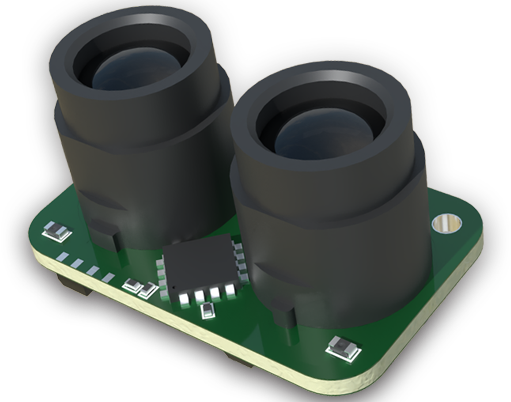
Despite their advantages, challenges remain in the widespread adoption of laser acoustic sensors. Factors such as ambient light interference, surface reflectivity variations, and high costs can limit their effectiveness. However, ongoing advancements in laser technology, signal processing algorithms, and miniaturization are addressing these issues. Emerging trends include the integration of artificial intelligence for real-time acoustic pattern recognition and the development of portable, handheld devices for field use.
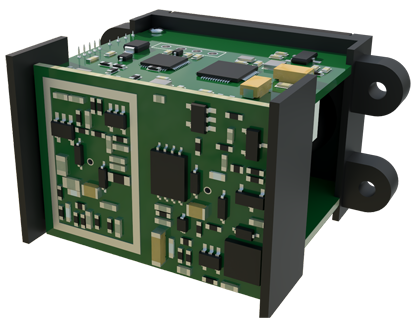
Looking ahead, the convergence of laser acoustics with IoT and Industry 4.0 frameworks promises smarter monitoring systems. Wireless sensor networks equipped with laser acoustic nodes could enable continuous, autonomous health assessment of industrial assets, reducing downtime and enhancing safety. As industries increasingly prioritize efficiency and sustainability, laser acoustic sensors are poised to become indispensable tools for acoustic analysis, driving innovation across sectors from automotive to healthcare.
In summary, laser acoustic sensors offer a transformative approach to acoustic measurement, combining non-invasive operation with high precision. Their ability to operate in challenging environments and provide detailed acoustic data supports critical applications in maintenance, safety, and quality control. With continued technological refinement, these sensors will likely expand into new domains, solidifying their role in the future of industrial sensing and beyond.