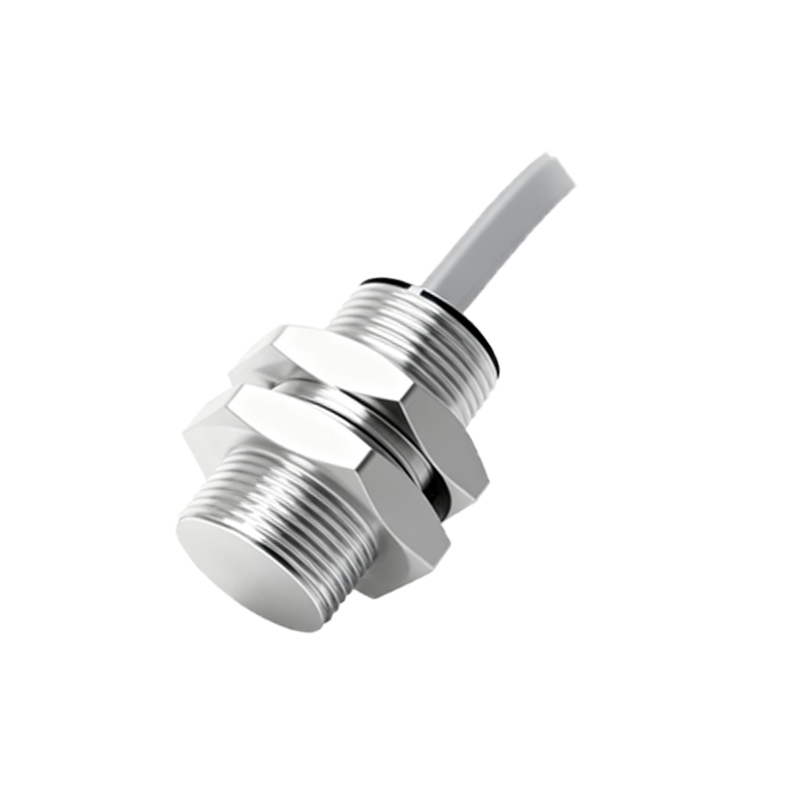
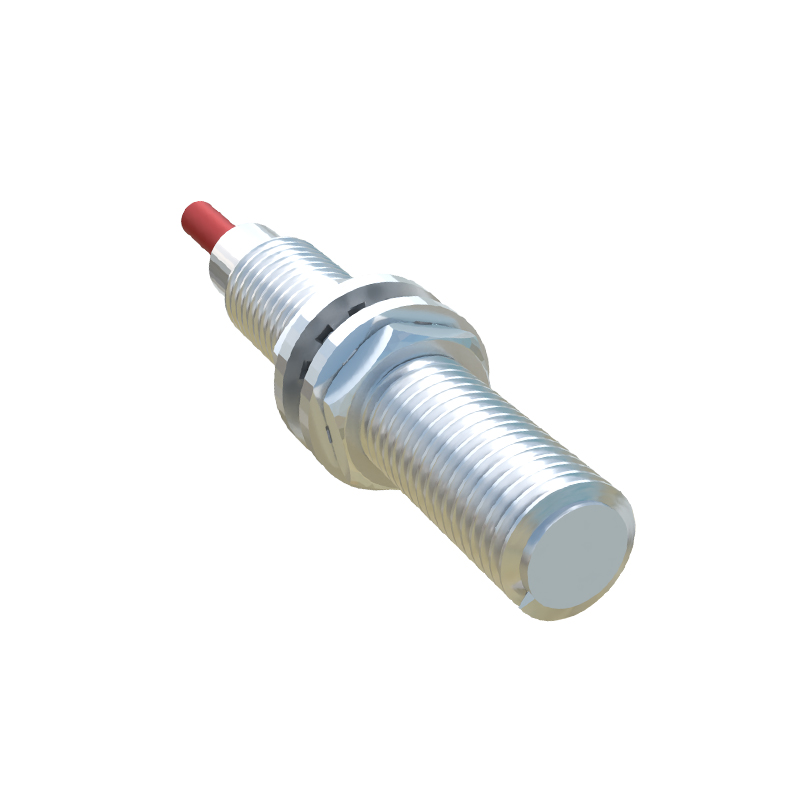
Proximity sensors are indispensable components in modern industrial automation, offering non-contact detection of objects with high precision and reliability. These sensors operate by emitting electromagnetic fields, infrared light, or ultrasonic waves to detect the presence, absence, or position of metallic or non-metallic targets without physical contact. One of the standout features is their ability to function in harsh environments, including extreme temperatures, dust, moisture, and vibration, ensuring consistent performance in manufacturing, automotive, and packaging industries.
A key characteristic is their diverse sensing ranges, from a few millimeters to several meters, allowing customization based on application needs. Inductive proximity sensors, for instance, excel in detecting ferrous and non-ferrous metals with fast response times, making them ideal for high-speed production lines. Capacitive variants can sense both conductive and non-conductive materials like plastics or liquids, expanding their utility in food processing or chemical plants. Ultrasonic and photoelectric sensors provide long-range detection and are effective for transparent or irregularly shaped objects.
Another notable feature is the high switching frequency, enabling rapid object detection and real-time feedback for automated systems. This contributes to improved efficiency, reduced downtime, and enhanced safety by preventing collisions or malfunctions in machinery. Many proximity sensors also offer adjustable sensitivity and built-in diagnostics, allowing easy integration with PLCs (Programmable Logic Controllers) and IoT (Internet of Things) networks for smart factory applications. Their compact, rugged designs facilitate installation in confined spaces, while solid-state construction ensures minimal wear and long service life.
Energy efficiency is a growing advantage, with low-power models supporting sustainable operations. Additionally, immunity to electrical noise and environmental interference guarantees accurate readings in complex setups. From robotic arms and conveyor belts to level monitoring and security systems, proximity sensors deliver versatility, durability, and cost-effectiveness, driving innovation in Industry 4.0. As technology advances, features like self-calibration, wireless connectivity, and enhanced material discrimination continue to evolve, reinforcing their role as critical tools for precision automation.