In the realm of industrial automation and electronic design, the demand for miniaturized yet highly reliable components continues to grow. Among these, the 5mm proximity sensor stands out as a critical device for precise non-contact detection in tightly constrained environments. This article delves into the operational principles, key applications, selection criteria, and installation best practices for these compact sensors, providing essential insights for engineers and system integrators.
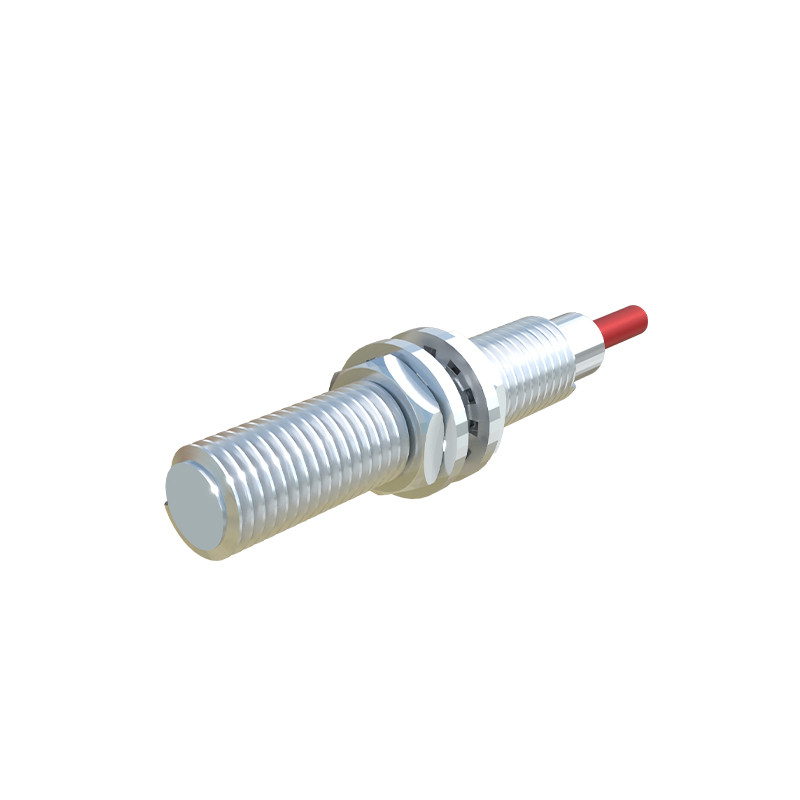
Proximity sensors operating with a 5mm sensing range typically utilize inductive, capacitive, or photoelectric technologies. Inductive sensors are predominant in metal detection applications. They generate an electromagnetic field from a coil and oscillator circuit. When a metallic target enters this field, eddy currents are induced, causing a change in the oscillation amplitude. This change is detected by the sensor's threshold circuit, triggering a solid-state output switch. Their compact 5mm form factor allows integration into machinery where space is at a premium, such as robotic end-effectors, miniature pneumatic cylinders, or precision assembly jigs.
Capacitive 5mm proximity sensors function by detecting changes in capacitance between the sensor's face and a target object. They can sense both metallic and non-metallic materials, including liquids, plastics, and glass. This makes them ideal for applications like liquid level detection in small reservoirs, presence verification of plastic caps on bottles, or monitoring paper thickness in compact printing equipment. Their ability to ignore airborne dust and minor contaminants (within specified limits) adds to their robustness.
Photoelectric variants, though less common in a pure 5mm-range package, often achieve similar close-range sensing through diffuse or retro-reflective methods with miniaturized housings. They use a modulated light beam (usually infrared or red LED) and a receiver. Detection occurs when the target reflects or interrupts this beam. These are suited for detecting small, colored, or transparent objects where inductive sensors would fail.
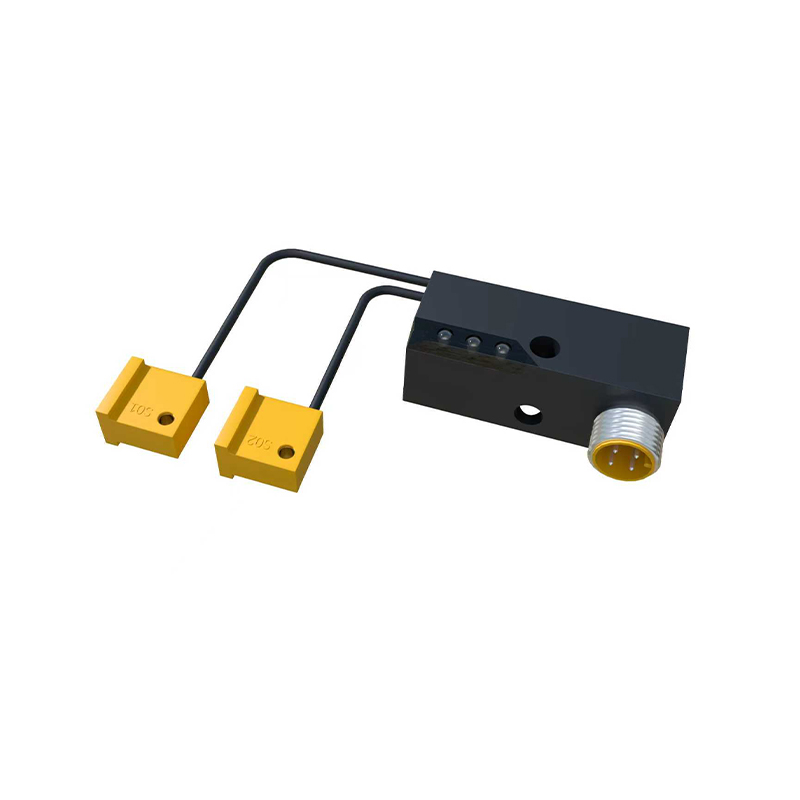
The selection of a 5mm proximity sensor hinges on several technical parameters. First, the sensing technology must match the target material. For ferrous metals, a standard inductive sensor suffices. For non-ferrous metals, sensors with a reduced sensing factor (often labeled "non-ferrous" or "all-metal") are necessary. For non-metallics, capacitive or photoelectric types are required. The second critical factor is the housing style. Cylindrical threaded barrels (e.g., M5, M8) are common, but rectangular or slot-style housings are available for specific mounting needs. The housing material, typically nickel-plated brass or stainless steel, must withstand the environmental conditions, including exposure to coolants, oils, or washdowns.
Electrical characteristics are equally vital. Most industrial 5mm sensors operate on DC voltages (10-30V DC) or sometimes AC, providing either a PNP (sourcing) or NPN (sinking) transistor output. The choice between PNP and NPN depends on the PLC or controller input card configuration. Output current rating must be checked to ensure it can drive the connected load, such as a PLC input, relay, or indicator lamp. Many models feature short-circuit and reverse polarity protection, enhancing system reliability.
Installation and environmental considerations are paramount for consistent performance. Despite their small size, these sensors require precise mounting. For inductive and capacitive types, maintaining the specified "non-sensing" distance from surrounding metal or other sensors is crucial to prevent mutual interference or false triggering. The sensor should be mounted securely to avoid vibration-induced damage or signal fluctuation. Environmental factors like temperature extremes, strong electromagnetic fields from motors or welders, and direct impact must be accounted for. Many 5mm sensors are rated IP67, meaning they are dust-tight and can withstand temporary immersion, making them suitable for harsh industrial settings.
Applications for 5mm proximity sensors are vast and varied. In semiconductor manufacturing, they verify the presence of tiny components on pick-and-place heads. In packaging machinery, they count small pills or detect misaligned labels. Within automotive assembly, they confirm the seated position of pins or springs in transmission systems. In consumer electronics assembly lines, they ensure micro-switches or connectors are present before the next process step. Their role in enabling precision, reliability, and miniaturization in modern manufacturing cannot be overstated.
In conclusion, the 5mm proximity sensor is a powerhouse of functionality packed into a diminutive package. Its success in an application relies on a thorough understanding of the target material, environmental challenges, electrical interface, and physical constraints. By carefully matching the sensor's specifications to the task's demands, engineers can achieve highly reliable, maintenance-free detection, forming the foundational sensory layer for sophisticated automation and control systems. As technology advances, we can expect even more robust and intelligent features to be integrated into these compact workhorses of industry.