In the landscape of industrial automation and smart systems, proximity sensors stand as fundamental components for non-contact detection. However, the true potential of these sophisticated hardware devices is unlocked and precisely controlled by their dedicated drive software. This software acts as the critical intermediary between the sensor's raw electrical signals and the higher-level control systems, translating physical presence or absence into actionable, reliable data. The design and implementation of this software are paramount for system performance, reliability, and integration ease.
At its core, proximity sensor drive software performs several essential functions. Firstly, it manages the sensor's excitation, whether for inductive, capacitive, or photoelectric types. This involves generating the appropriate electrical signals to power the sensor's internal oscillator or emitter. Secondly, and most crucially, it processes the return signal. The software implements algorithms for signal conditioning, filtering out electrical noise inherent in industrial environments—such as from variable frequency drives or welding equipment—to prevent false triggering. It sets and monitors the detection threshold, determining the precise signal level at which an object is considered "detected." Advanced software includes hysteresis functions to prevent output oscillation when an object is at the very edge of the detection range.
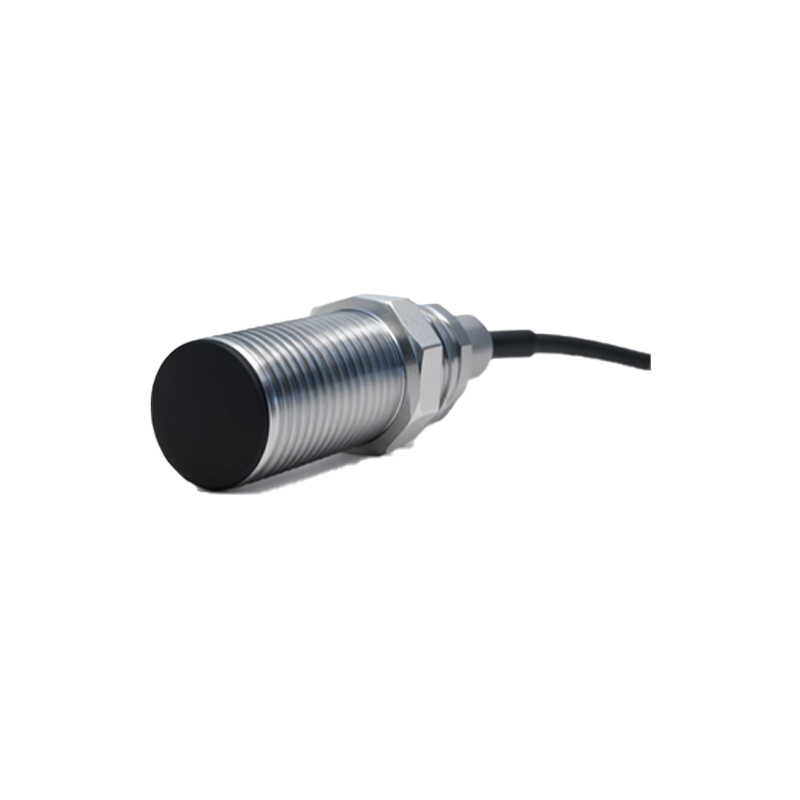
Configuration and parameterization are major strengths of modern drive software. Through intuitive graphical user interfaces (GUIs) or standardized communication protocols, engineers can remotely adjust key parameters. These include sensing distance (often as a percentage of the nominal range), output delay timers (on-delay, off-delay, one-shot), and output type configuration (Normally Open/Normally Closed, PNP/NPN sourcing/sinking). This flexibility allows a single sensor model to be adapted for diverse applications, from high-speed counting on a conveyor to precise position verification in a robotic cell.
Integration into broader control architectures is a critical design consideration. Drive software facilitates this through robust communication drivers and standardized interfaces. Common industrial network protocols like PROFINET, EtherNet/IP, EtherCAT, and IO-Link are now frequently supported directly. IO-Link, in particular, has revolutionized sensor integration by enabling bidirectional digital communication. Through IO-Link, the drive software not only transmits the switch signal but also allows for extensive parameter download, real-time diagnostic data monitoring (e.g., operating temperature, signal strength), and predictive maintenance alerts. This transforms a simple proximity switch into an intelligent node on the network.
Diagnostics and troubleshooting capabilities embedded in the software significantly reduce machine downtime. Detailed diagnostic messages can indicate issues such as "short-circuit," "wire-break," "supply voltage out of range," or "sensor overload." Some software packages offer oscilloscope-like visualization of the sensor signal, allowing engineers to observe noise interference or signal degradation directly. This level of insight is invaluable for maintaining high Overall Equipment Effectiveness (OEE).
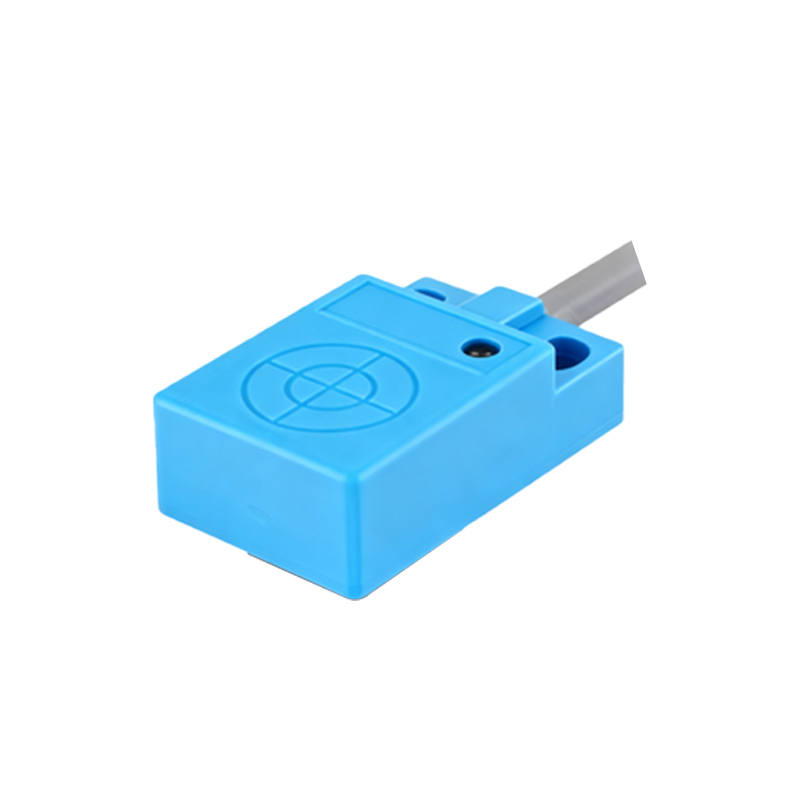
The development trend for proximity sensor drive software is moving towards greater intelligence and openness. Machine learning algorithms are beginning to be applied for adaptive threshold setting in environments with varying target materials or accumulating contamination. Furthermore, the adoption of open-source software frameworks and standardized application programming interfaces (APIs) allows for deeper customization and easier integration with proprietary manufacturing execution systems (MES) or industrial IoT platforms. Security features, including encrypted communication and access control, are also becoming standard to protect sensitive industrial networks.
In application, the efficacy of the drive software is tested across industries. In automotive manufacturing, software ensures sensors reliably detect metallic components on fast-moving assembly lines, with timers synchronized to robotic cycles. In packaging machinery, it manages the sensitivity of capacitive sensors to detect plastic or liquid levels through non-metallic containers. In material handling, software filters allow ultrasonic or photoelectric sensors to ignore background interference, ensuring accurate pallet positioning.
Ultimately, the drive software is what elevates a proximity sensor from a basic switch to a precise, configurable, and communicative measurement device. Its design demands a deep understanding of sensor physics, signal processing, real-time systems, and industrial communication standards. As automation systems grow more complex and interconnected, the role of sophisticated, reliable, and intelligent proximity sensor drive software will only become more central to achieving operational excellence, flexibility, and data-driven insights on the factory floor.