Laser sensors are integral components in modern industrial automation, providing precise, non-contact measurement and detection capabilities. However, like all sophisticated electronic devices, they can encounter operational issues requiring a lockout for safety and a subsequent recovery process. This article details the professional procedures for effectively locking out and recovering laser sensors, ensuring both personnel safety and system integrity.
A lockout procedure for a laser sensor is a critical safety protocol implemented to prevent accidental exposure to laser radiation or unintended machine operation during maintenance, troubleshooting, or installation. The primary step is to de-energize and isolate the sensor from all power sources. This includes disconnecting it from the main control panel, shutting off associated circuit breakers, and verifying zero energy state using appropriate testing equipment. Physical locking devices, such as lockout hasps, should be applied to the energy isolation points. A clearly visible tag must be attached, stating "Do Not Operate," along with the name of the authorized personnel and the date. For laser sensors specifically, it is paramount to also block or cover the laser aperture to prevent any stray beam emission, even if the unit is believed to be powered down.
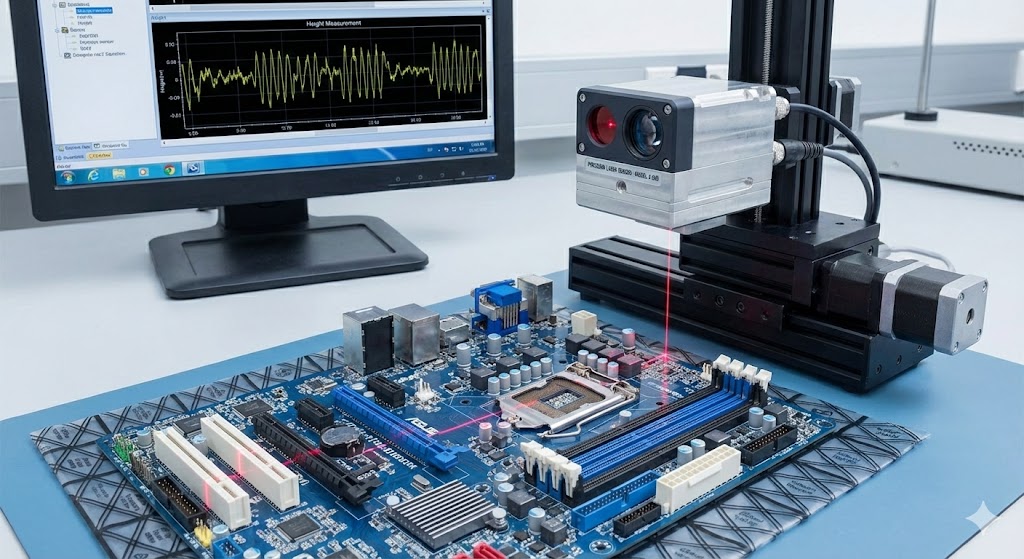
Following a successful lockout, recovery or restoration involves a systematic approach to return the sensor to normal operation. First, ensure the work area is clear of tools, personnel, and obstructions. Remove all locking devices and tags only by the authorized individual who applied them. Before re-energizing, conduct a visual inspection of the sensor and its connections for any physical damage, loose wiring, or environmental contaminants like dust or moisture on the lens.
The recovery process then proceeds with a controlled power-up sequence. Restore power to the control system and the sensor module gradually, if possible, monitoring for abnormal sounds or indicators. Initialization is key. Most modern laser sensors perform a self-diagnostic routine upon power-up. Observe the status indicators (typically LED lights) as per the manufacturer's manual. A steady green light often signifies normal operation, while flashing red or amber lights indicate faults requiring further diagnosis.
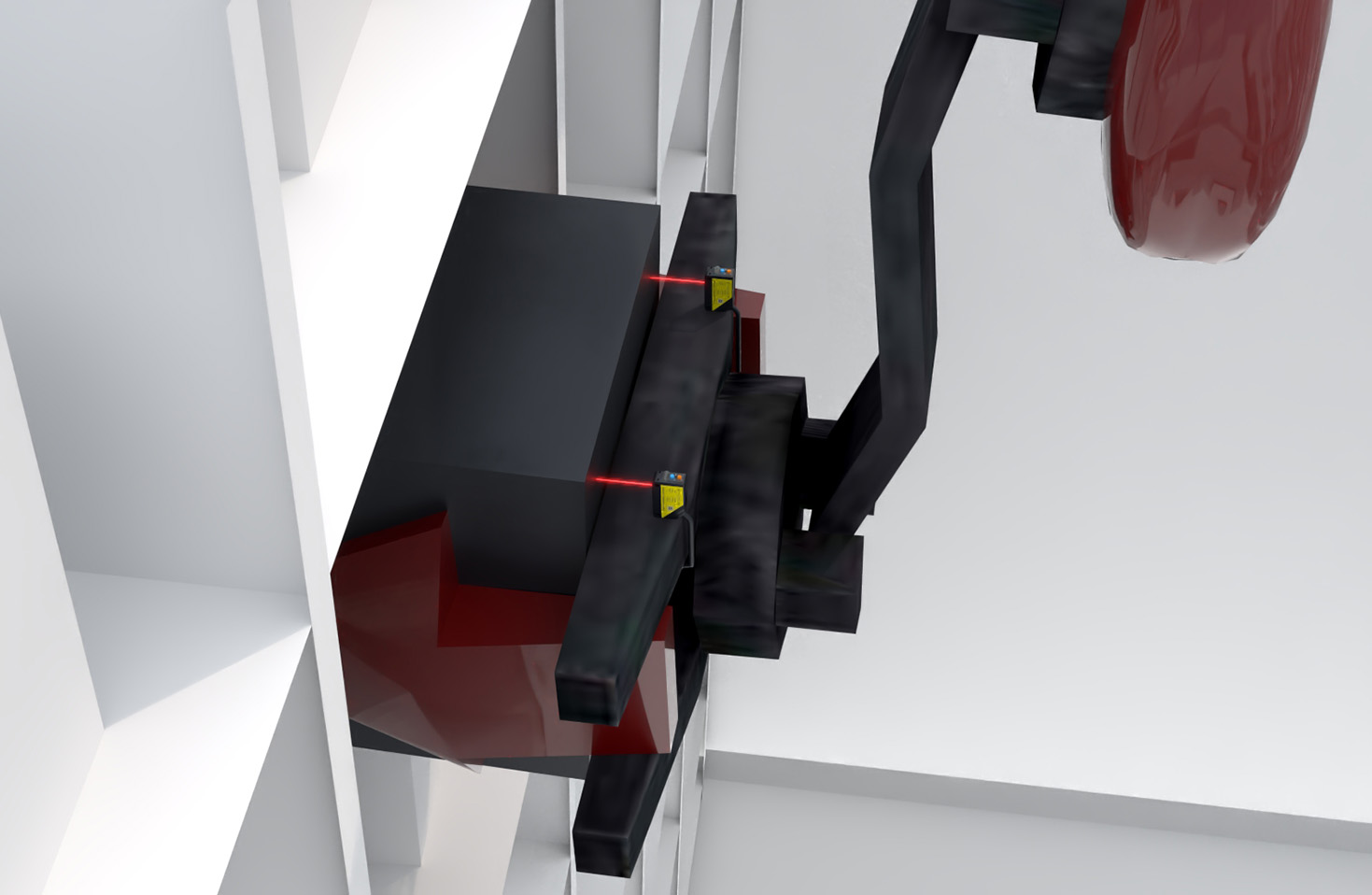
After power restoration, calibration and verification are essential. Depending on the sensor type (e.g., distance measurement, presence detection), perform a functional test using a known reference target. Verify the output signal (e.g., analog 4-20mA, digital IO, serial data) matches the expected value within the specified tolerance. For safety-light curtain applications or high-precision measurement sensors, a full recalibration using certified calibration tools might be necessary post-intervention. Always document the lockout/tagout (LOTO) procedure and the recovery steps, including any parameter adjustments or calibrations performed, in the system maintenance log.
Common pitfalls during recovery include neglecting software resets, overlooking configuration parameter loss due to power loss, and failing to account for environmental changes (temperature, humidity) that affect laser performance. Consulting the specific sensor's technical datasheet and user manual is non-negotiable for model-specific steps, error codes, and calibration routines. Adherence to these structured lockout and recovery protocols minimizes downtime, prevents equipment damage, and, most importantly, ensures a safe working environment compliant with standards such as OSHA 29 CFR 1910.147 and IEC 60825-1 for laser safety.
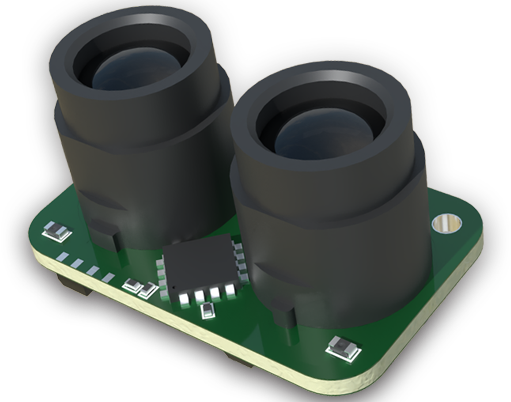
In conclusion, the lockout and recovery of laser sensors are disciplined engineering practices that blend safety protocols with technical troubleshooting. A methodical approach—from secure energy isolation and aperture blocking to careful power restoration, diagnostic checking, and functional verification—guarantees that these critical devices are returned to reliable service, maintaining the efficiency and safety of automated industrial processes.