In the realm of modern smartphone technology, the proximity sensor stands as a pivotal yet often overlooked component that significantly enhances user experience. This sensor, typically integrated near the earpiece or front-facing camera, operates by detecting the presence of nearby objects without physical contact. Its primary function is to prevent accidental touches during calls by turning off the display when the phone is held close to the ear, thereby conserving battery life and avoiding unintended inputs.
The underlying technology of proximity sensors in smartphones primarily relies on infrared (IR) light. An IR LED emits infrared radiation, which reflects off objects in close range and is captured by an IR photodetector. By measuring the intensity of the reflected light, the sensor determines the distance to the object. This simple yet effective mechanism allows for rapid response times, typically within milliseconds, ensuring seamless interaction during phone calls. Advanced versions may incorporate ambient light sensors to adjust screen brightness dynamically, further optimizing power consumption and visibility in varying lighting conditions.
From an engineering perspective, the design and integration of proximity sensors involve meticulous considerations. Factors such as sensor placement, calibration, and interference from external light sources must be addressed to ensure accuracy. Manufacturers often employ algorithms to filter out noise and improve reliability, especially in challenging environments like direct sunlight or dark rooms. Additionally, the miniaturization of these sensors has been a key focus, enabling sleek smartphone designs without compromising functionality. Recent innovations have seen the adoption of time-of-flight (ToF) sensors in some high-end models, which use laser pulses for more precise distance measurements, opening doors to augmented reality (AR) applications and gesture controls.
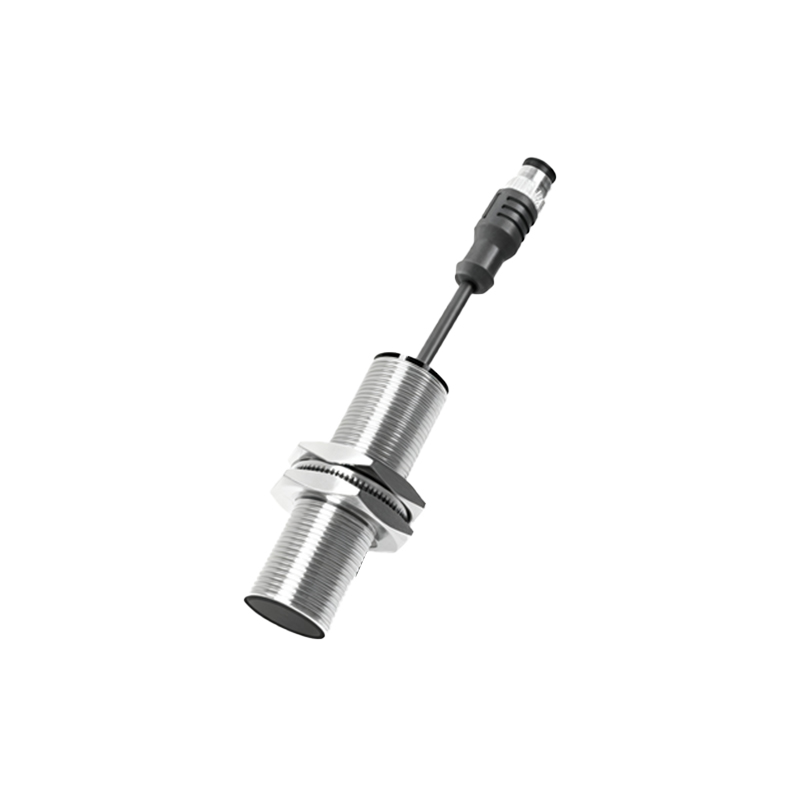
The applications of proximity sensors extend beyond basic call management. In today's smartphones, they play a role in features like automatic screen wake-up when the device is removed from a pocket, or in preventing false triggers during gaming and video playback. With the rise of voice assistants and hands-free operations, these sensors contribute to intuitive user interfaces by detecting when a user is holding the phone versus placing it on a table. Moreover, in industrial and automotive contexts, similar sensor technologies are adapted for safety systems, though smartphone variants remain optimized for consumer electronics.
Despite their advantages, proximity sensors face challenges such as sensitivity to certain materials (e.g., transparent or highly reflective surfaces) and potential degradation over time due to dust accumulation or hardware wear. Engineers continuously work on improving durability and accuracy through software updates and hardware refinements. As smartphones evolve toward foldable and flexible displays, the integration of proximity sensors will require novel approaches to maintain performance across different form factors.
In conclusion, the proximity sensor is a testament to the subtle yet impactful innovations in electrical engineering that define contemporary smartphones. Its seamless operation underscores the importance of sensor technology in creating efficient, user-friendly devices. For industry professionals, understanding these components is crucial for advancing future designs, whether in enhancing existing functionalities or exploring new interactive paradigms. As we move toward an era of interconnected smart devices, the humble proximity sensor will likely continue to play a foundational role in shaping human-device interactions.