In the intricate landscape of industrial automation and machinery, proximity sensors stand as silent sentinels, enabling precise, non-contact detection of objects. Selecting the right proximity sensor supplier is a critical decision that impacts system reliability, efficiency, and long-term operational costs. This article delves into the essential factors engineers and procurement specialists must evaluate when partnering with a supplier in this specialized field.
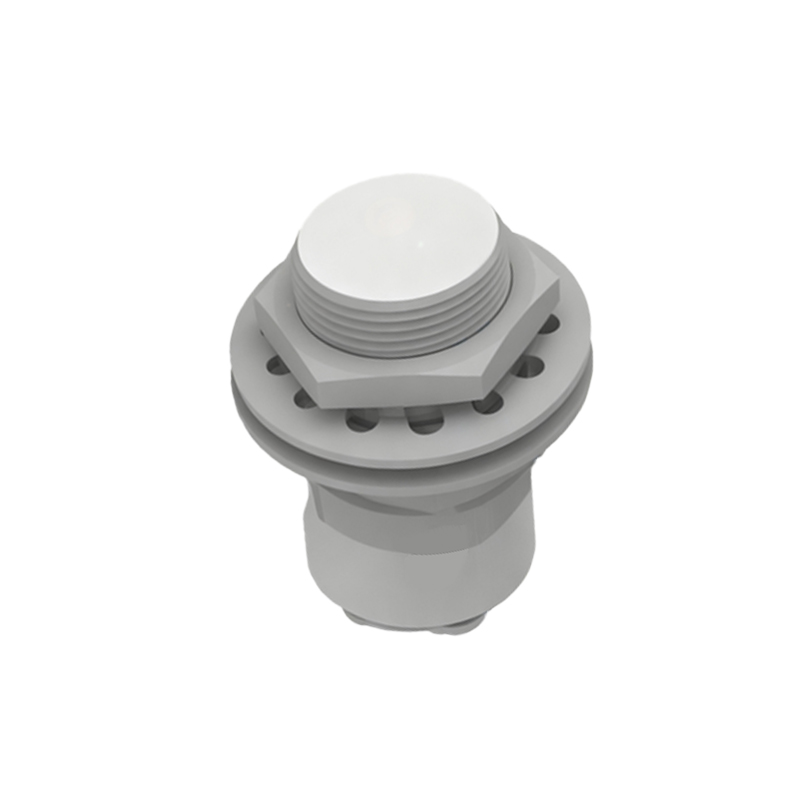
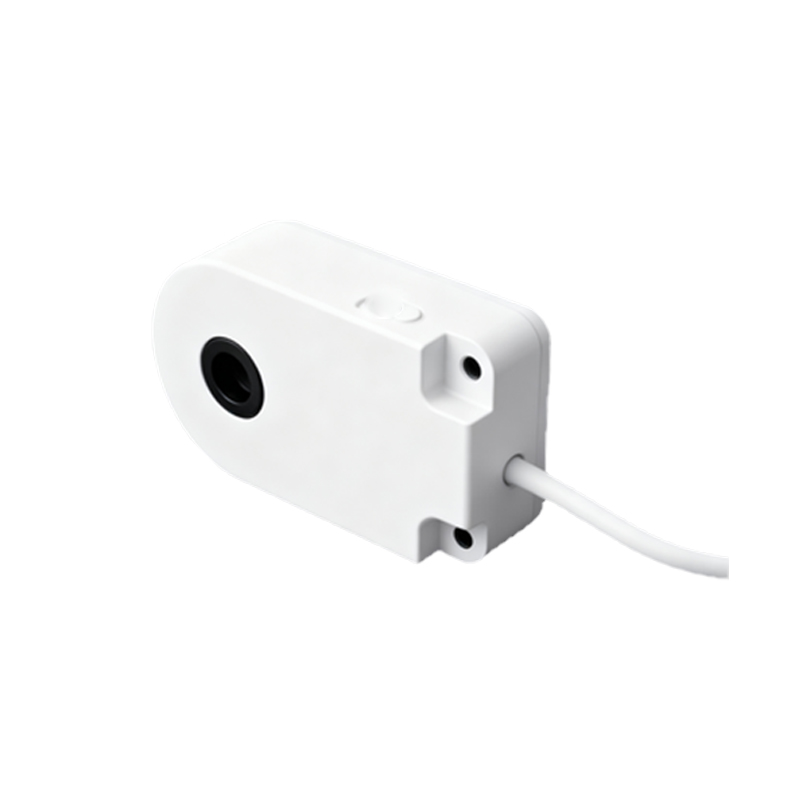
The first and foremost consideration is the supplier's technical portfolio and product range. A reputable supplier should offer a comprehensive array of sensor technologies to address diverse application needs. This includes inductive sensors for detecting metallic objects, capacitive sensors for non-metallic materials like wood, glass, or liquids, and ultrasonic sensors for distance measurement and level detection. Beyond the core technology, the availability of various form factors (cylindrical, rectangular, ring-shaped), sensing distances, output types (PNP/NPN, analog, IO-Link), and housing materials (stainless steel, nickel-plated brass, PBT) is crucial. A supplier with a broad portfolio can provide tailored solutions, simplifying the design-in process and reducing the need to source from multiple vendors.
Product quality and reliability are non-negotiable. In harsh industrial environments characterized by extreme temperatures, moisture, vibration, and electromagnetic interference, sensor failure can lead to costly downtime. Leading suppliers invest heavily in rigorous testing protocols, including IP (Ingress Protection) and NEMA ratings for environmental sealing, shock and vibration resistance tests, and EMC (Electromagnetic Compatibility) compliance. Engineers should scrutinize product datasheets for these specifications and seek suppliers who can provide documented mean time between failures (MTBF) data or have certifications like ISO 9001 for quality management systems. The robustness of the housing and the quality of internal components directly correlate with the sensor's lifespan in demanding applications.
Beyond the physical product, technical support and engineering expertise are invaluable differentiators. The ideal supplier acts as a solutions partner, not just a parts vendor. This is evidenced by the availability of detailed technical documentation, CAD models for easy integration into machine designs, and responsive application engineering support. Can the supplier's engineers help troubleshoot a complex installation issue or recommend the optimal sensor for a challenging detection task involving small targets or specific materials? Their depth of knowledge often proves critical in optimizing system performance. Furthermore, suppliers that offer customization services—such as special cable lengths, connectors, or sensing ranges—demonstrate a commitment to solving unique customer problems.
Supply chain stability and global support networks are increasingly important in today's interconnected manufacturing world. A supplier with a proven track record of on-time delivery and inventory management helps prevent production line stoppages. For multinational corporations, a supplier with a global footprint, including local sales offices, distribution centers, and technical support in key regions, ensures consistent product availability and service standards worldwide. This logistical reliability is as vital as the sensor's technical specifications.
Finally, cost considerations must be viewed through a total cost of ownership (TCO) lens. While the initial unit price is a factor, it should be weighed against the sensor's durability, energy efficiency, and the supplier's support services. A marginally cheaper sensor that fails prematurely or causes production delays can incur far greater costs. Suppliers that offer value-added services, such as comprehensive training programs, online configuration tools, or lifecycle management support, contribute to lower long-term operational expenses.
In conclusion, choosing a proximity sensor supplier requires a holistic assessment. It involves balancing a robust and technologically diverse product offering with proven reliability, deep application expertise, resilient supply chain logistics, and a partnership-oriented approach that minimizes total lifecycle costs. By meticulously evaluating suppliers against these criteria, engineering and procurement teams can secure the critical components that ensure their automated systems operate with precision, efficiency, and unwavering reliability.