In the rapidly evolving landscape of technology, sensors act as the fundamental bridge between the physical world and digital systems. Among the diverse array of sensing technologies, smart sensors and proximity sensors stand out as critical components driving innovation across industries, from manufacturing and automotive to consumer electronics and smart homes. While they often work in tandem, their core functionalities and applications present distinct yet complementary roles in modern automation and interactive systems.
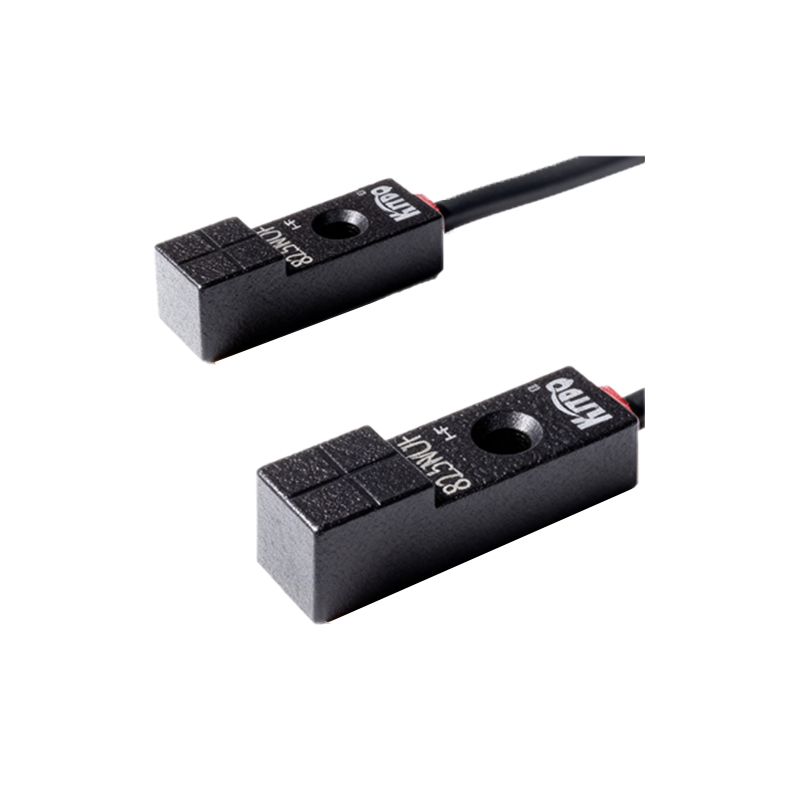
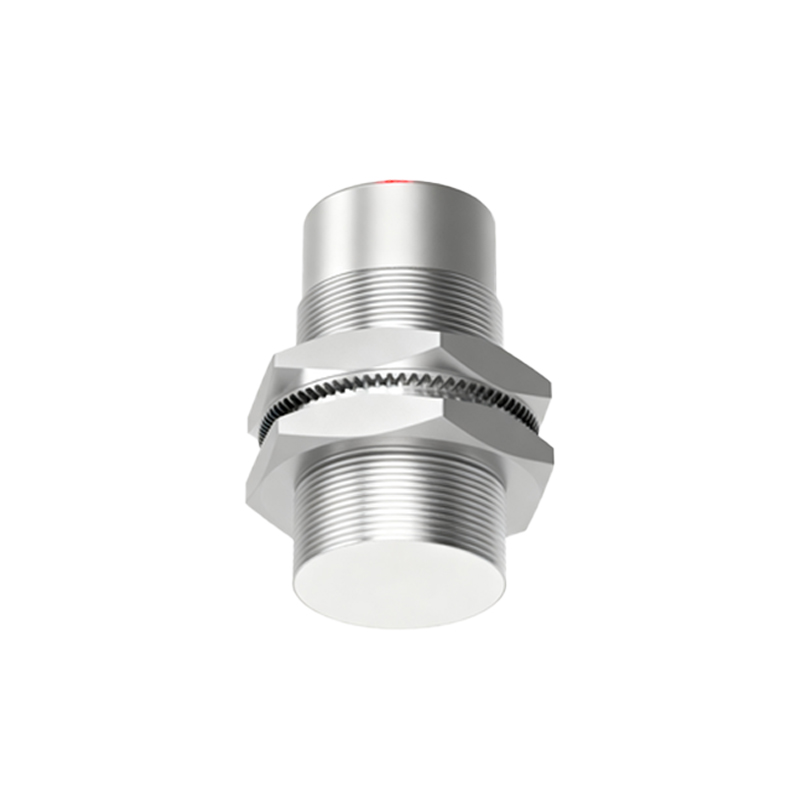
A proximity sensor is a type of sensor capable of detecting the presence or absence of nearby objects without any physical contact. It operates by emitting an electromagnetic field or a beam of electromagnetic radiation, such as infrared light, and then looking for changes in the field or return signal. The primary goal is simple detection: is an object there, or not? How far away is it? Common types include inductive sensors (for detecting metallic objects), capacitive sensors (for detecting both metallic and non-metallic objects like liquids or plastics), and photoelectric sensors (using light beams). You encounter proximity sensors daily; they are the reason your smartphone screen turns off when held to your ear during a call, or why automatic doors slide open as you approach. In industrial settings, they are indispensable for tasks like object counting, position verification, and limit switching on assembly lines, offering reliability, speed, and durability in harsh environments.

Smart sensors, however, represent a significant evolutionary leap. A smart sensor is fundamentally a sensor integrated with computational capabilities. It goes beyond mere detection; it acquires data, processes it using embedded microprocessors, and communicates actionable information directly to a control system or network. Think of a proximity sensor as providing raw data—"an object is 10cm away." A smart sensor incorporating proximity detection might analyze that data, compare it to a set threshold, perform temperature compensation for accuracy, log the event with a timestamp, and send a formatted alert to a central dashboard via a wireless protocol. It embodies the convergence of sensing, processing, and connectivity.
The intelligence embedded within these sensors enables advanced features such as self-diagnosis, calibration, and data fusion. For instance, a smart vibration sensor on a motor can not only detect abnormal oscillations but also analyze the frequency spectrum to predict potential bearing failure, facilitating predictive maintenance. This transforms operations from reactive to proactive, minimizing downtime and saving costs. In the context of the Internet of Things (IoT), smart sensors are the essential data-generating nodes, feeding information into cloud platforms for big data analytics and enabling truly intelligent systems.
The synergy between proximity sensing and smart sensor architecture is particularly powerful. A smart proximity sensor can adjust its own sensitivity based on environmental noise, communicate its health status, or participate in a mesh network to provide spatial awareness for autonomous robots. In automotive applications, smart ultrasonic or radar-based proximity sensors are the eyes of advanced driver-assistance systems (ADAS), processing complex data about the vehicle's surroundings to enable features like automatic parking and collision avoidance.
The future trajectory points towards even greater integration, miniaturization, and intelligence. Developments in MEMS (Micro-Electro-Mechanical Systems) technology allow for incredibly small yet powerful sensors. The integration of artificial intelligence and machine learning at the edge—meaning on the sensor itself—is creating a new generation of "cognitive" sensors capable of pattern recognition and adaptive learning without constant cloud dependency.
Ultimately, while the humble proximity sensor remains a vital workhorse for basic detection tasks, the advent of smart sensors has unlocked unprecedented levels of automation, efficiency, and interactivity. They are not merely replacing traditional sensors but are enhancing them, creating systems that are more aware, communicative, and intelligent. This technological progression continues to blur the line between the physical and digital realms, paving the way for smarter factories, safer vehicles, and more responsive environments that intuitively interact with users and processes alike.