In the realm of industrial automation and precision manufacturing, the integration of proximity switch sensors within welding machines represents a critical convergence of sensing technology and process control. These non-contact sensors are pivotal in ensuring operational safety, enhancing weld quality, and maximizing production efficiency. This guide delves into the technical specifications, application principles, and selection criteria for proximity switches in welding environments, tailored for electrical engineers and system integrators.
Proximity switches, or proximity sensors, are devices that detect the presence or absence of a target object without physical contact. In welding machines, they primarily function as position sensors, limit switches, and safety interlocks. The most common types employed are inductive proximity sensors, capable of detecting metallic objects—typically the welding gun, workpiece, or fixture components. Their operation is based on the principle of electromagnetic induction: an oscillator generates a high-frequency electromagnetic field from the sensor's face. When a metallic target enters this field, eddy currents are induced within the target, causing a change in the oscillation amplitude. This change is detected by a threshold circuit, which subsequently switches the sensor's output state.
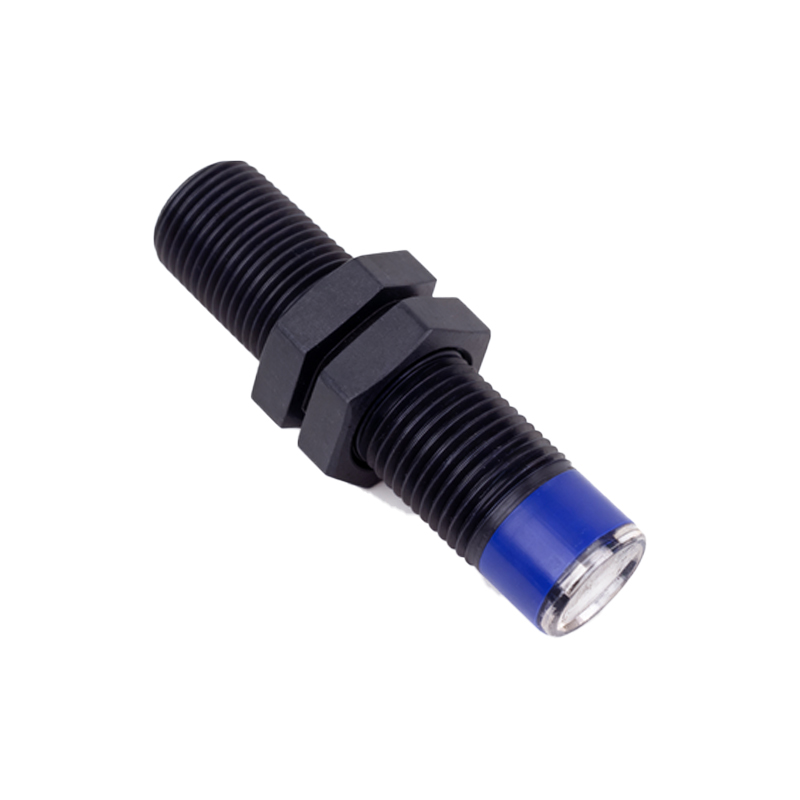
The selection of an appropriate proximity sensor for a welding machine is contingent upon several rigorous parameters. First, the sensing distance, or nominal range, must be carefully chosen to accommodate the machine's kinematics while preventing false triggers from adjacent components. Engineers must consider the reduction factor for different metals; for instance, steel is detected at 100% of the nominal range, while stainless steel or aluminum may require a sensor with a longer nominal range due to lower detection efficiency. Secondly, the housing material and ingress protection (IP) rating are paramount. Welding environments are replete with spatter, dust, and electromagnetic interference (EMI). Sensors housed in robust, V4A (AISI 316) stainless steel with a minimum rating of IP67 are standard to resist weld spatter adhesion and high-pressure washdowns. Some advanced models feature a PTFE (Teflon) coating on the front face to prevent spatter buildup, a common cause of sensor failure.
Output configuration is another critical decision. DC 3-wire configurations (PNP or NPN) are prevalent, interfacing directly with programmable logic controllers (PLCs). The choice between normally open (NO) and normally closed (NC) contacts depends on the safety logic of the control system. For instance, a safety door interlock might use an NC configuration to trigger an emergency stop if the door is opened. Furthermore, frequency response, or switching frequency, must align with the machine's cycle time. High-speed welding or robotic applications demand sensors with switching frequencies in the kilohertz range to ensure no positional data is missed.
Installation and wiring practices significantly impact sensor longevity and reliability. Proper shielding of cables is essential to mitigate noise from welding currents and variable frequency drives (VFDs). Cables should be routed away from power lines and welding torches. Utilizing conduit or flexible cable carriers can provide mechanical protection. Regular maintenance, including periodic cleaning of the sensor face to remove spatter or debris, is a non-negotiable practice. Many modern sensors incorporate LED status indicators, providing immediate visual feedback for troubleshooting.
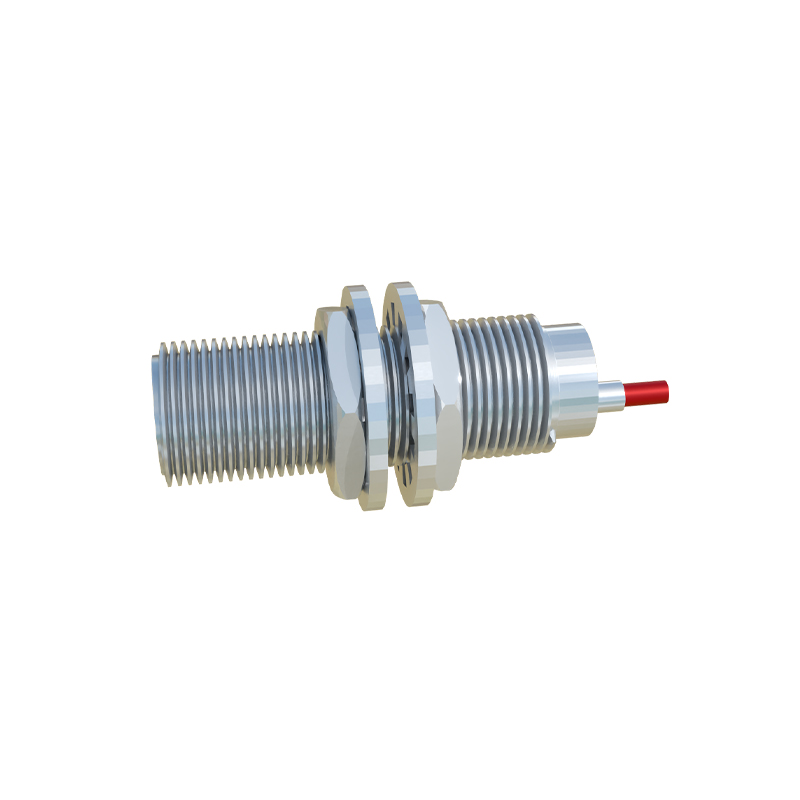
The application scope extends beyond simple presence detection. In resistance welding, proximity sensors verify electrode alignment and wear. In robotic arc welding cells, they are used for seam tracking initialization, tool center point (TCP) calibration, and confirming workpiece clamping. In laser welding systems, they ensure the protective window or nozzle is correctly positioned before initiating the high-power laser pulse, preventing catastrophic collisions.
Future trends point towards the increased adoption of IO-Link enabled proximity sensors. This digital communication protocol allows for not only discrete switching but also the transmission of diagnostic data, such as operating temperature, signal strength, and remaining service life, enabling predictive maintenance strategies. This is a significant leap towards Industry 4.0 smart factories.
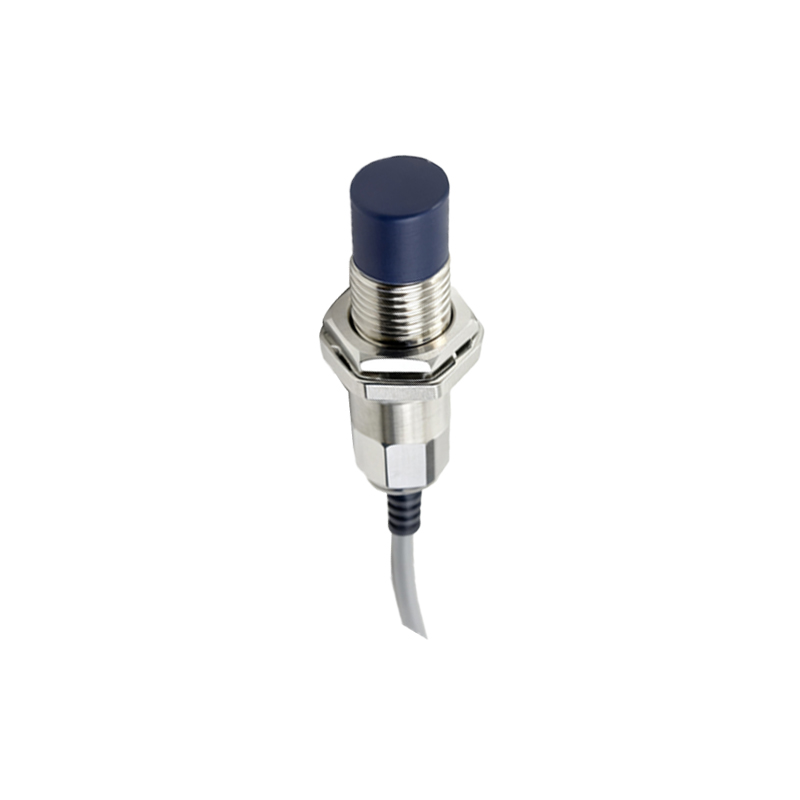
In conclusion, proximity switches are indispensable components in modern welding machinery. Their correct selection, based on environmental factors, electrical requirements, and mechanical constraints, directly correlates with system uptime and product quality. For the electrical engineer, a deep understanding of these sensors' capabilities and limitations is essential for designing robust, safe, and highly efficient automated welding systems. Always consult specific manufacturer datasheets and perform in-situ testing under actual operating conditions to validate sensor performance before full-scale deployment.