Laser methane sensors represent a significant advancement in industrial gas detection technology, offering unparalleled precision, reliability, and safety for monitoring methane concentrations in various environments. Unlike traditional catalytic bead or infrared sensors, these devices utilize Tunable Diode Laser Absorption Spectroscopy (TDLAS). This method involves directing a laser beam at a specific wavelength that is strongly absorbed by methane molecules. By measuring the degree of light absorption as the beam travels through a target area, the sensor can calculate the exact methane concentration with high accuracy.
The core operational principle is based on the Beer-Lambert law, which correlates light absorption to the concentration of the absorbing gas. The laser is precisely tuned to a wavelength where methane absorption is strong, typically around 1653 nanometers in the near-infrared spectrum, while minimizing interference from other common gases like water vapor or carbon dioxide. This spectral selectivity is a key advantage, drastically reducing false alarms and ensuring measurements are specific to methane.
In industrial applications, laser methane sensors are deployed in two primary configurations: point detection and open-path detection. Point detectors are used for monitoring specific, potentially hazardous locations such as gas compressor stations, pipeline junctions, underground utility vaults, or within confined spaces in wastewater treatment plants. They provide continuous, real-time data at a fixed point. Open-path sensors, on the other hand, create a beam over distances ranging from a few meters to several hundred meters. They are ideal for perimeter monitoring of large facilities like LNG terminals, landfills, or chemical plants, detecting gas leaks or plumes that cross the laser's path. This capability allows for the surveillance of vast areas with a single system.

The benefits of adopting laser-based technology are substantial. Firstly, they offer exceptional sensitivity, capable of detecting methane leaks at parts-per-million (ppm) levels, often before they escalate into dangerous situations. Their response time is extremely fast, providing near-instantaneous alerts. Secondly, they require minimal maintenance. With no consumable parts or elements that can be "poisoned" by exposure to certain chemicals (a common issue with catalytic sensors), their operational lifespan is significantly longer, reducing total cost of ownership. Furthermore, their non-intrusive nature—especially in open-path setups—means they can monitor hazardous or inaccessible areas without physical contact.
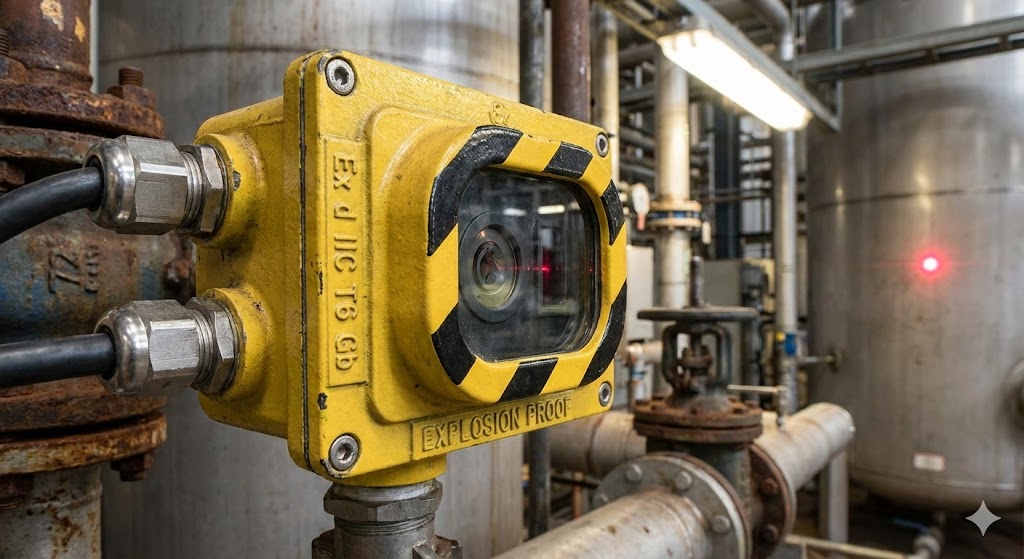
Despite the higher initial investment compared to conventional sensors, the long-term operational savings, enhanced safety, and regulatory compliance they provide justify the cost. Modern laser methane sensors are also increasingly integrated with Industrial Internet of Things (IIoT) platforms. They can transmit data wirelessly to central control rooms, enabling predictive maintenance, trend analysis, and seamless integration with emergency shutdown systems. This connectivity transforms gas detection from a simple alarm function into a sophisticated component of a plant's overall safety and asset management strategy.
In conclusion, laser methane sensors are setting a new standard for gas detection in the oil and gas, utilities, and manufacturing sectors. Their accuracy, selectivity, and robustness make them indispensable tools for preventing accidents, protecting assets, and ensuring environmental stewardship. As technology progresses, we anticipate further miniaturization, enhanced connectivity features, and even greater sensitivity, solidifying their role as a cornerstone of modern industrial safety systems.