In modern industrial automation, precise dimensional measurement is a cornerstone of quality control and process optimization. Among various sensing technologies, laser sensors have emerged as a dominant solution for non-contact width measurement due to their exceptional accuracy, speed, and reliability. This article delves into the operational principles, key advantages, and practical implementation of laser sensors for width detection across diverse manufacturing sectors.
The fundamental principle behind laser-based width measurement is triangulation. A laser diode projects a highly focused, visible or infrared beam onto the target object's edge. The reflected light is captured by a high-resolution CMOS or CCD receiver element positioned at a specific angle. As the object's width changes, causing the edge position to shift, the spot of reflected light moves across the receiver. Sophisticated onboard processors analyze this positional shift with micron-level resolution, calculating the precise distance to the edge. For width measurement, two synchronized laser sensors are typically deployed opposite each other, scanning both edges of a material (such as metal strip, paper, fabric, or plastic film) simultaneously. The system's controller then computes the real-time width by subtracting the measured edge positions from the known fixed distance between the two sensor heads.
The advantages of using laser sensors for this application are substantial. First and foremost is non-contact operation, which eliminates mechanical wear, prevents deformation of delicate materials, and allows measurement of hot, moving, or otherwise inaccessible products. The measurement speed is exceptionally high, with sampling rates often exceeding 10 kHz, enabling 100% inspection even on high-speed production lines like those in steel rolling mills or paper converting. Furthermore, laser sensors offer remarkable accuracy and repeatability, often within ±1 micron, which is critical for industries with tight tolerances such as precision machining and electronics manufacturing. Their performance is largely unaffected by ambient light, surface color, or minor reflectivity variations, thanks to advanced digital signal processing algorithms. Modern laser sensors also feature robust housings (IP67 ratings are common), making them resistant to dust, moisture, and vibration in harsh plant environments.
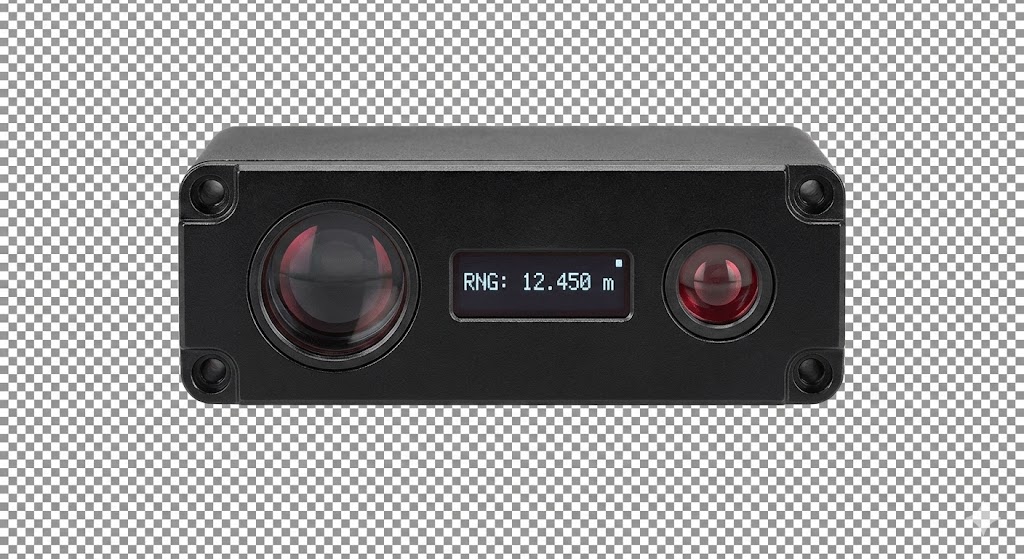
Implementing a laser width measurement system requires careful consideration. Sensor selection depends on the material's properties, required measurement range, and environmental conditions. For instance, dark or highly reflective surfaces may require sensors with automatic exposure control or specialized filters. The installation must ensure perfect alignment and mechanical stability, as any vibration or misalignment directly impacts accuracy. Integration with factory networks (e.g., PROFINET, EtherNet/IP) or programmable logic controllers (PLCs) is seamless, allowing real-time data for closed-loop process control, trend analysis, and immediate defect rejection. A common application is in slitting lines, where laser sensors provide instant feedback to adjust the slitter position, minimizing trim waste and ensuring consistent product width.
Despite their robustness, optimal performance demands regular maintenance. This includes periodic cleaning of the optical windows to prevent contamination from oil mist or dust and verification of calibration using certified gauge blocks. Emerging trends are enhancing laser sensor capabilities further. The integration of machine vision allows for not just edge detection but also surface defect identification. Developments in blue laser technology improve measurement stability on transparent or glossy materials. Additionally, the advent of Industrial IoT enables predictive maintenance, where sensor performance data is analyzed to forecast calibration needs or potential failures, maximizing uptime.
In conclusion, laser sensors represent the gold standard for industrial width measurement, combining physics-based precision with rugged engineering. Their ability to deliver fast, accurate, and reliable data is indispensable for improving yield, reducing material waste, and guaranteeing product quality in today's competitive and automated manufacturing landscape. As technology advances, these systems will become even more intelligent and integral to the smart factories of the future.