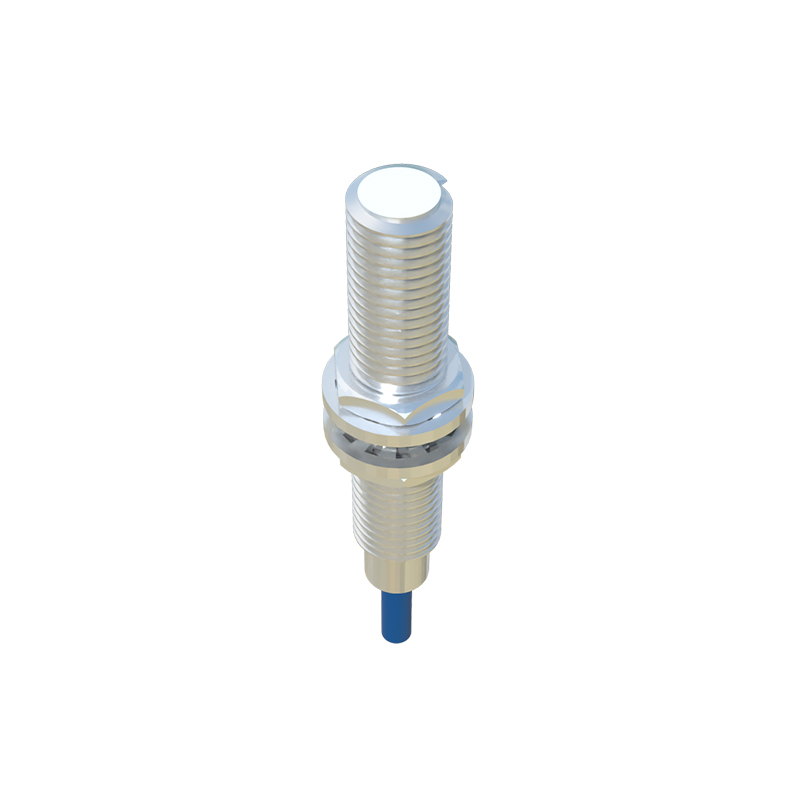
Proximity Sensor 13, often referred to in industrial automation and electrical engineering contexts, is a specific model or type within proximity sensor families. These sensors are crucial for detecting the presence or absence of objects without physical contact, utilizing technologies such as inductive, capacitive, or ultrasonic principles. The question "Can Proximity Sensor 13 be used?" depends on several technical and application-specific factors.
First, it's essential to verify the sensor's specifications. Proximity Sensor 13 typically operates within defined parameters, including sensing range, voltage requirements, output type (e.g., NPN or PNP), and environmental ratings like IP protection. For instance, if the sensor is designed for a 10-30V DC supply and your system uses 24V DC, it may be compatible. However, mismatches in voltage or current could render it unusable or cause damage. Always consult the datasheet or manufacturer's guidelines to ensure alignment with your setup.
Second, consider the application environment. Proximity sensors are sensitive to factors like temperature, humidity, and electromagnetic interference. Sensor 13 might be rated for industrial use with a temperature range of -25°C to 70°C, but if deployed in extreme conditions beyond this, its reliability could be compromised. Additionally, the material of the target object matters—inductive sensors detect metals, while capacitive ones handle non-metals. Using Sensor 13 for the wrong material type would lead to failure.
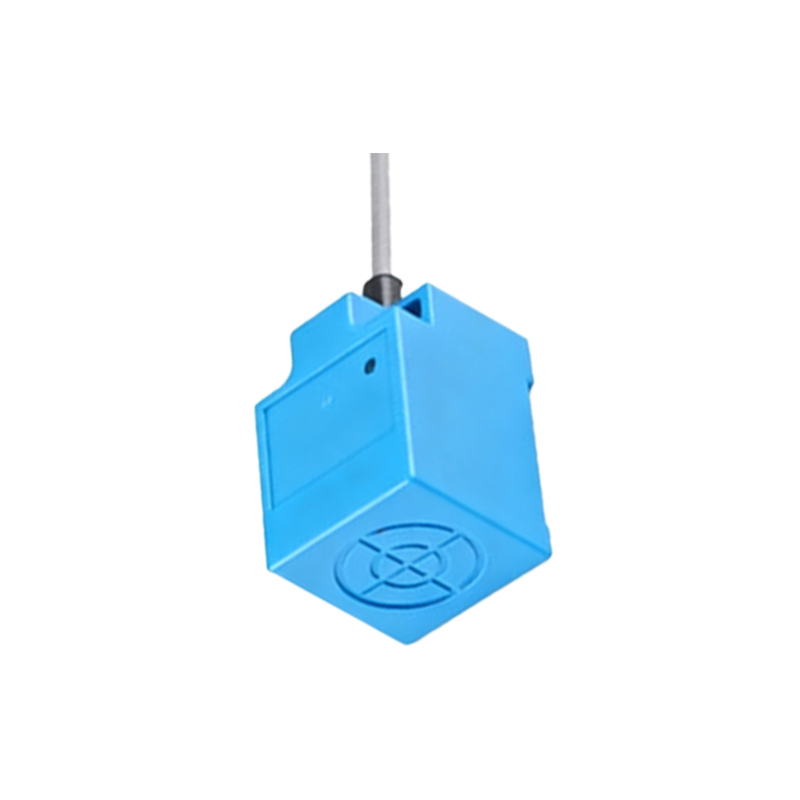
Third, compatibility with existing systems is key. Check the sensor's output signal (e.g., digital or analog) and wiring configuration. Many modern automation systems, such as PLCs (Programmable Logic Controllers), require specific input types. If Sensor 13 provides a NO (Normally Open) contact but your system needs NC (Normally Closed), adjustments or additional components might be necessary. Also, ensure mechanical fit, including mounting style and size, to avoid installation issues.
Fourth, evaluate performance metrics like response time and repeat accuracy. In high-speed applications, a sensor with slow response could bottleneck operations. Proximity Sensor 13 may offer a response time of 1 ms, suitable for most tasks, but verify against your process requirements. Regular maintenance and calibration can also impact usability—sensors degrade over time, so inspect for wear or contamination.
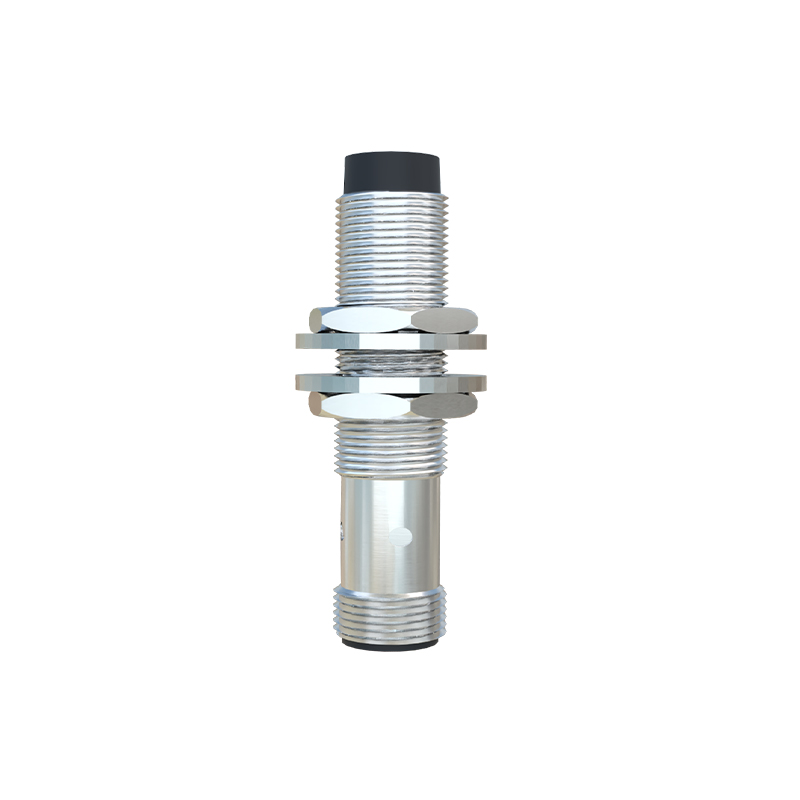
Finally, safety and regulatory compliance should not be overlooked. In industries like automotive or aerospace, sensors must meet standards like IEC 60947 or ISO 13849. If Sensor 13 lacks necessary certifications, using it could pose risks or violate regulations. Always prioritize sensors from reputable brands with documented testing.
In summary, Proximity Sensor 13 can be used effectively if it matches your technical specifications, environmental conditions, and system integration needs. Conduct thorough testing before full deployment, and consult with experts or suppliers for tailored advice. Remember, proper selection ensures efficiency and reduces downtime in electrical and automation projects.