In the dynamic landscape of industrial automation, sensor technology plays a pivotal role in ensuring efficiency, safety, and reliability. Among the various types of sensors, photoelectric sensors have long been favored for their versatility and non-contact detection capabilities. However, there are scenarios where environmental conditions or application-specific requirements make photoelectric sensors less ideal. This has led to a growing interest in converting or substituting photoelectric sensors with proximity sensors. This article delves into the technical considerations, benefits, and step-by-step guidelines for such a conversion, tailored for electrical engineers and automation professionals.
Photoelectric sensors operate by emitting a light beam—typically infrared, visible, or laser—and detecting changes in the received light due to the presence or absence of an object. They excel in long-range detection and can sense a wide variety of materials, including transparent or reflective surfaces. Despite these advantages, photoelectric sensors are susceptible to interference from environmental factors such as dust, fog, steam, or ambient light. In harsh industrial settings like metalworking, mining, or food processing, these interferences can lead to false triggers, reduced accuracy, or even sensor failure. Additionally, photoelectric sensors may require precise alignment and regular cleaning of lenses, increasing maintenance overhead.
Proximity sensors, on the other hand, detect objects without physical contact by generating an electromagnetic field or using capacitive principles. Inductive proximity sensors are commonly used for metallic objects, while capacitive variants can detect both metallic and non-metallic materials, including liquids and granules. These sensors are inherently robust against environmental contaminants like dirt, oil, or moisture, making them suitable for demanding applications. They offer shorter detection ranges compared to photoelectric sensors but provide higher reliability in close-range scenarios. By converting to proximity sensors, engineers can mitigate issues related to environmental interference and reduce maintenance needs.
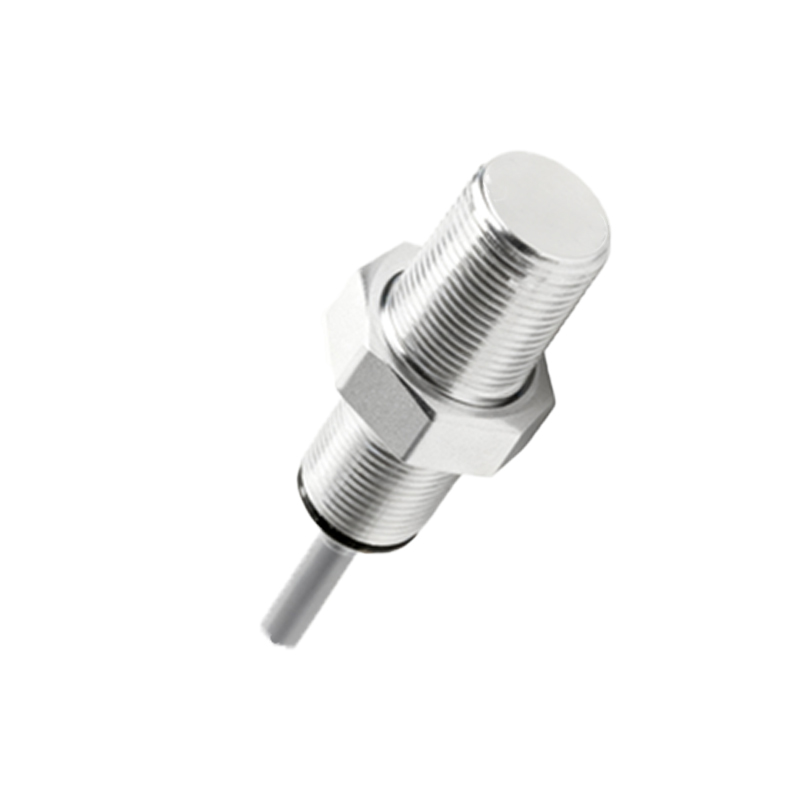
The decision to convert from a photoelectric to a proximity sensor should be based on a thorough analysis of the application. Key factors include the nature of the target object (material, size, and shape), required sensing distance, environmental conditions, and response time. For instance, in a packaging line where metal containers are detected, an inductive proximity sensor might offer better stability than a photoelectric sensor prone to dust accumulation. Similarly, in liquid level detection within non-metallic tanks, a capacitive proximity sensor could be more effective. It is crucial to verify that the proximity sensor’s specifications—such as sensing range, output type (e.g., NPN/PNP), and housing material—align with the operational requirements.
The conversion process involves several technical steps. First, de-energize the existing photoelectric sensor system to ensure safety. Remove the photoelectric sensor and its mounting hardware, noting the wiring configuration—typically comprising power supply, output, and ground connections. Proximity sensors often share similar wiring schemes, but engineers must consult the datasheets to confirm compatibility. For example, a 3-wire DC photoelectric sensor might be directly replaced with a 3-wire DC proximity sensor if voltage ratings match. However, attention must be paid to output logic (sinking vs. sourcing) and load capacity to avoid controller damage. In cases where the sensing range differs, adjust the mounting position or use spacers to achieve optimal detection. After installation, test the proximity sensor with the target object under real operating conditions, monitoring for false signals or delays. Calibration may be necessary to fine-tune sensitivity, especially for capacitive sensors detecting varied materials.
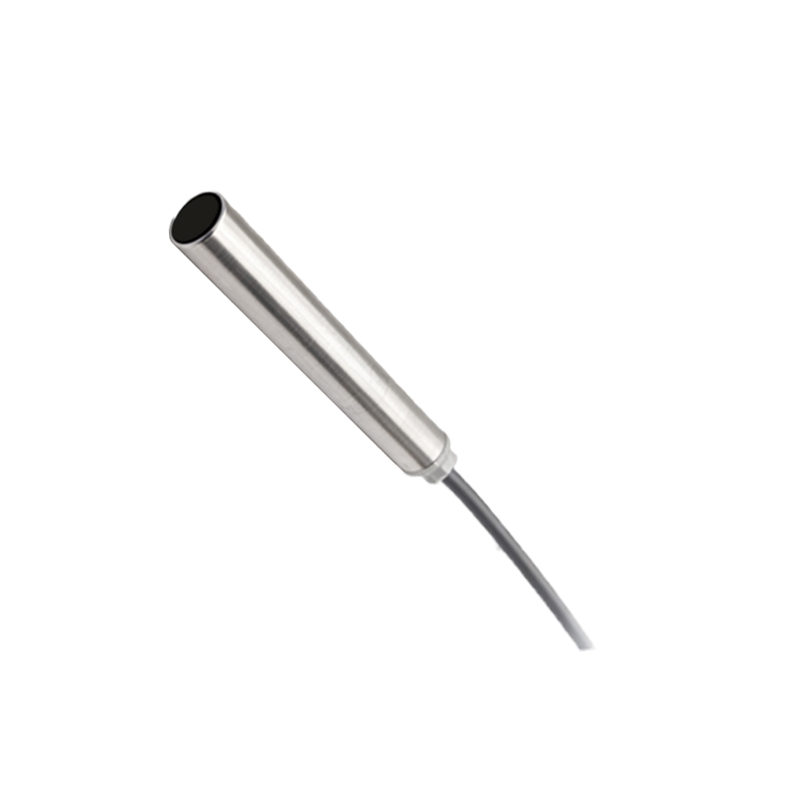
Beyond direct replacement, integrating proximity sensors can enhance system performance. Their immunity to environmental factors reduces downtime and improves longevity. Moreover, proximity sensors often have faster response times, benefiting high-speed automation lines. From a cost perspective, while proximity sensors may have a higher initial price in some cases, the lower maintenance and higher reliability can lead to long-term savings. Engineers should also consider future-proofing by selecting sensors with IO-Link or other smart communication capabilities for Industry 4.0 integration.
In conclusion, converting photoelectric sensors to proximity sensors is a viable strategy to address challenges in harsh industrial environments. By carefully evaluating application needs and following systematic conversion procedures, engineers can achieve robust and efficient sensing solutions. This transition not only resolves issues like false triggering but also contributes to sustainable automation practices through reduced waste and energy consumption. As technology evolves, staying informed about sensor advancements will empower professionals to make informed decisions, optimizing automation systems for years to come.