In industrial automation and precision measurement systems, laser sensors play a critical role in ensuring accuracy, reliability, and efficiency. However, these sophisticated devices are often exposed to harsh environments where contaminants such as dust, oil, metal shavings, or moisture can accumulate on optical surfaces. This contamination can significantly degrade sensor performance, leading to measurement errors, false triggers, or complete system failure. Regular and proper cleaning is therefore not just a maintenance task but a vital operational necessity. This guide provides a detailed, step-by-step procedure for safely and effectively cleaning laser sensor contaminants, adhering to industry best practices.
Before initiating any cleaning process, the foremost step is to ensure safety and prepare adequately. Always consult the sensor's manufacturer manual for specific guidelines, warnings, and material compatibility information. Power down the entire system and disconnect the sensor from its electrical supply to prevent electrical shock or damage. Allow the sensor to cool to ambient temperature if it has been in operation. Gather the appropriate cleaning materials: lint-free wipes (preferably made from microfiber or specialized optical cloth), high-purity isopropyl alcohol (IPA, 90% concentration or higher), compressed air cans or a clean, dry air gun, cotton swabs, and, if necessary, a soft brush with non-abrasive bristles. Avoid using standard paper towels, facial tissues, or cloths that may leave fibers, as these can scratch lenses or leave residue.
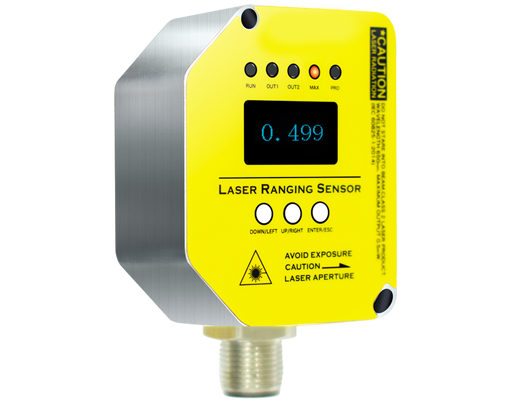
The cleaning procedure should be methodical. Begin by using the compressed air to gently blow away loose particulate matter from the sensor housing and the optical window. Hold the air source at an angle and maintain a distance of several inches to prevent forcing debris deeper into seams or causing static buildup. Do not use high-pressure air directly on the lens, as this can drive particles into the surface. For stubborn loose debris, a soft, clean brush can be used with gentle strokes.
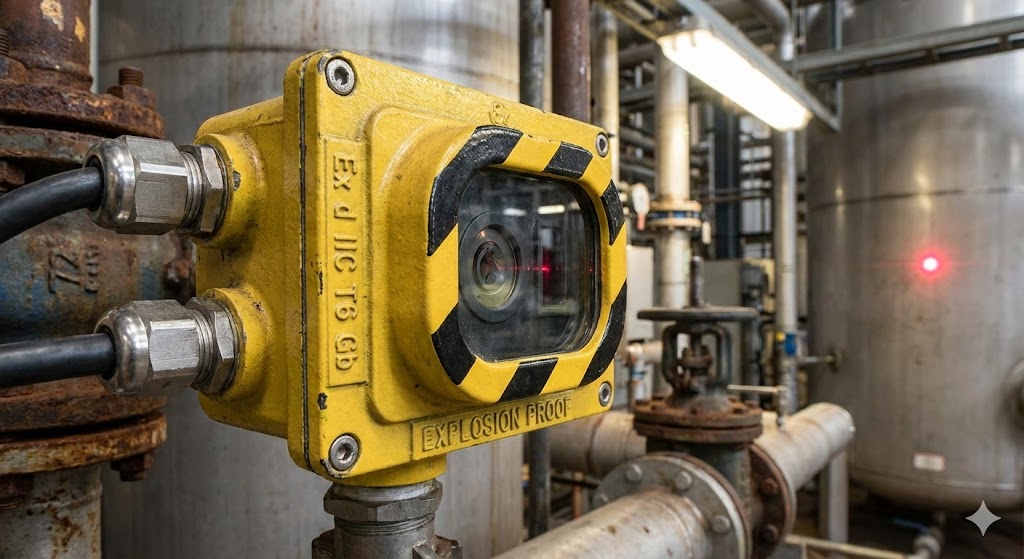
For adhered contaminants like grease or oil, apply a small amount of high-purity isopropyl alcohol to a lint-free wipe. Never pour alcohol directly onto the sensor lens. Lightly dampen the wipe—it should not be dripping wet. Using minimal pressure, wipe the optical surface in a single, straight line from one edge to the other. Discard the wipe and use a fresh, dry section or a new wipe to immediately follow the same path to remove any remaining alcohol and streaks. The "wipe once and discard" method is crucial to avoid redistributing dirt. For small apertures or recessed lenses, lightly moisten a cotton swab with IPA and rotate it gently across the surface, then use a dry swab to dry it.
After cleaning, inspect the optical surface under a bright light at an angle. Look for any remaining smudges, streaks, or particles. If contamination persists, repeat the process with fresh materials. Once satisfied, allow the sensor to air dry completely for a few minutes to ensure all solvent has evaporated. Before reconnecting power, double-check that the sensor housing is also clean and dry. Finally, perform a functional test by powering the system and verifying the sensor's output against a known reference. Document the cleaning activity in your maintenance log, noting the date and any observations.
Preventive measures are equally important. Consider installing protective accessories such as transparent protective windows or air purge systems in highly contaminated environments. Establish a regular cleaning schedule based on the operational environment's contamination level—daily in heavy particulate areas or quarterly in cleaner settings. Training personnel on these correct procedures is essential to prevent accidental damage from improper techniques.
In conclusion, meticulous cleaning of laser sensor contaminants is a straightforward yet vital practice that preserves measurement integrity and extends device lifespan. By following these standardized steps—emphasizing safety, using correct materials, and employing gentle techniques—engineers and technicians can maintain peak sensor performance, minimize costly downtime, and ensure the continued reliability of automated systems.