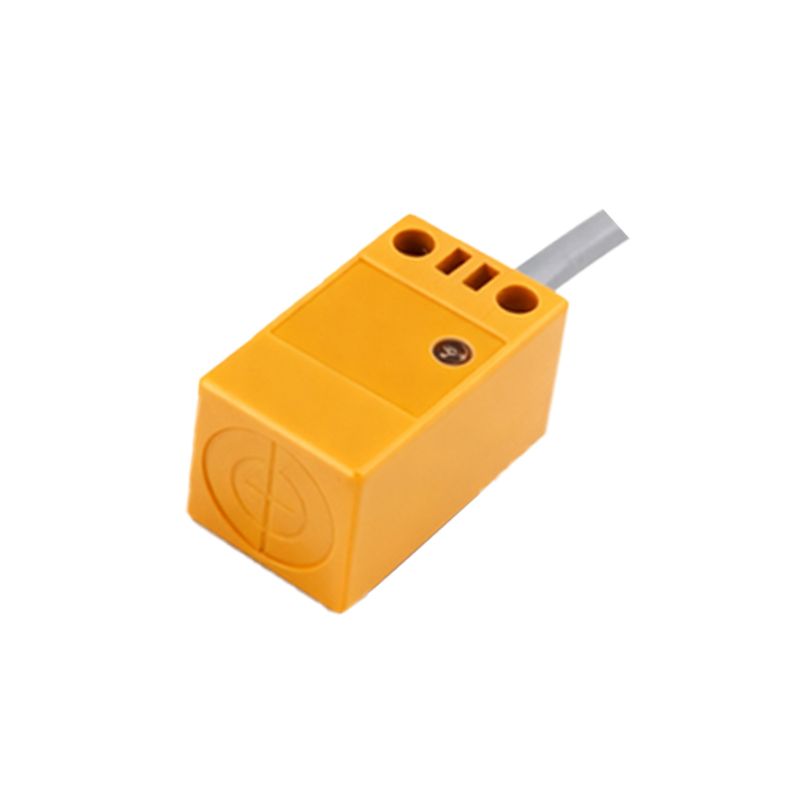
In the intricate world of industrial automation, capacitive proximity sensors stand as a cornerstone technology, enabling non-contact detection of a vast array of materials. As a seasoned electrical engineer, I have witnessed the evolution of these critical components firsthand. The journey from raw materials to a reliable, high-performance sensor is a testament to precision engineering and rigorous quality control. This article delves into the core processes and considerations within a modern capacitive proximity sensor production facility.
The manufacturing lifecycle begins with the meticulous design and prototyping phase. Engineers utilize advanced simulation software to model the sensor's electrostatic field, optimizing the electrode geometry and oscillator circuit for specific sensing ranges and material characteristics. This stage is crucial for defining performance parameters such as nominal sensing distance, hysteresis, and response frequency. Prototypes undergo exhaustive testing in environmental chambers, simulating extremes of temperature, humidity, and exposure to various contaminants to ensure robustness.
Upon finalizing the design, production commences with the fabrication of the core sensing element. This typically involves precision machining or molding of the sensor face and housing from materials like PBT (Polybutylene Terephthalate) or PTFE, chosen for their stable dielectric properties and resistance to chemicals. The active electrode, often a metallic plate or ring, is integrated with utmost care to maintain consistent capacitance characteristics. The heart of the sensor, the application-specific integrated circuit (ASIC), is then mounted onto a printed circuit board (PCB). This ASIC contains the oscillator, demodulator, and switching circuitry. Automated surface-mount technology (SMT) lines populate the PCB with other critical components—resistors, capacitors, and the output driver—ensuring high repeatability and soldering quality.
Potting is a critical subsequent step. The internal electronics are encapsulated in a resin compound within a sealed housing. This process protects the sensitive circuitry from moisture, dust, vibration, and electrical interference, which is paramount for sensors operating in harsh industrial environments like food processing or chemical plants. The potting material's dielectric constant is carefully selected as it directly influences the sensor's sensitivity. Inadequate or inconsistent potting is a leading cause of field failure.
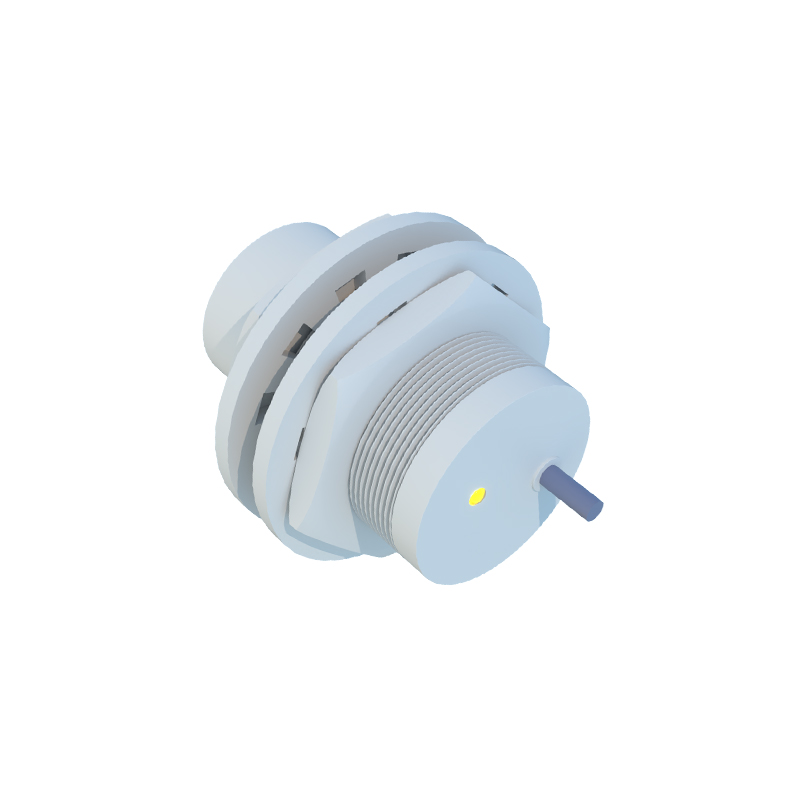
Calibration and functional testing form the backbone of quality assurance. Each sensor is subjected to automated test rigs. These systems present standardized targets (often metal and non-metal) at precise distances, measuring the actual switching point against the specified nominal sensing distance (Sn). Parameters like supply voltage tolerance, output current, and short-circuit protection are verified. Statistical process control (SPC) charts are maintained in real-time to monitor production batches for any deviations, ensuring every unit meets the published datasheet specifications.
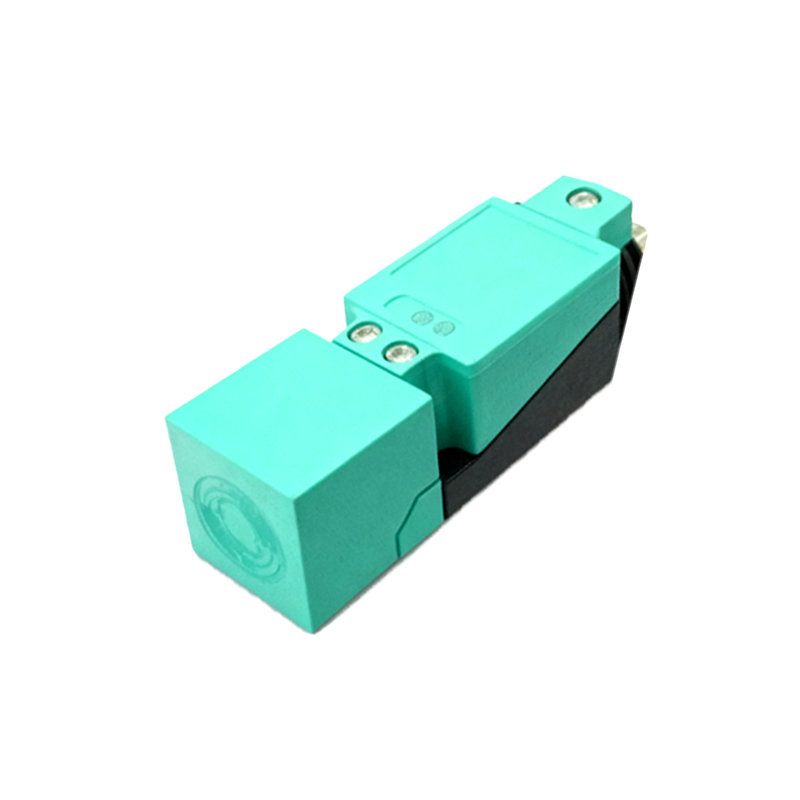
A top-tier manufacturing plant also emphasizes customization and application engineering. While standard models cater to most needs, specialized variants are produced for unique challenges. This includes sensors with extended ranges, those immune to specific background materials, or housings rated for extreme pressures (e.g., IP69K for high-pressure washdown). The final stages involve laser marking for traceability, packaging designed to prevent electrostatic discharge (ESD), and logistics planning for global distribution.
The convergence of material science, electronics manufacturing, and stringent testing protocols defines a leading capacitive proximity sensor factory. It is not merely an assembly line but a hub of continuous improvement, where feedback from field applications directly informs design refinements and production methodologies. The ultimate goal is to deliver a product that operates invisibly yet indispensably, providing the reliable "sense of touch" that modern automated systems depend on for efficiency, safety, and precision.