In the realm of industrial automation and control systems, proximity sensors stand as fundamental components for non-contact object detection. Among the various configurations available, the 3-wire normally open (NO) proximity sensor is one of the most prevalent and versatile types. This article delves into the operational principles, wiring methodologies, practical applications, and key selection criteria for these essential devices.
At its core, a 3-wire NO proximity sensor is a solid-state electronic device designed to detect the presence or absence of a metallic or, in some cases, non-metallic target without physical contact. The "3-wire" designation refers to its power supply configuration: it requires two wires for power (typically DC voltage: brown for positive, blue for negative/common) and one wire (usually black) for the switched output signal. The "normally open" characteristic describes the state of its output switch when no target is within its sensing range. In this condition, the output circuit is open, meaning no current flows to the load. When a valid target enters the specified sensing distance, the internal electronic switch closes, completing the circuit and allowing current to flow to the connected load, such as a PLC input, relay coil, or indicator lamp.
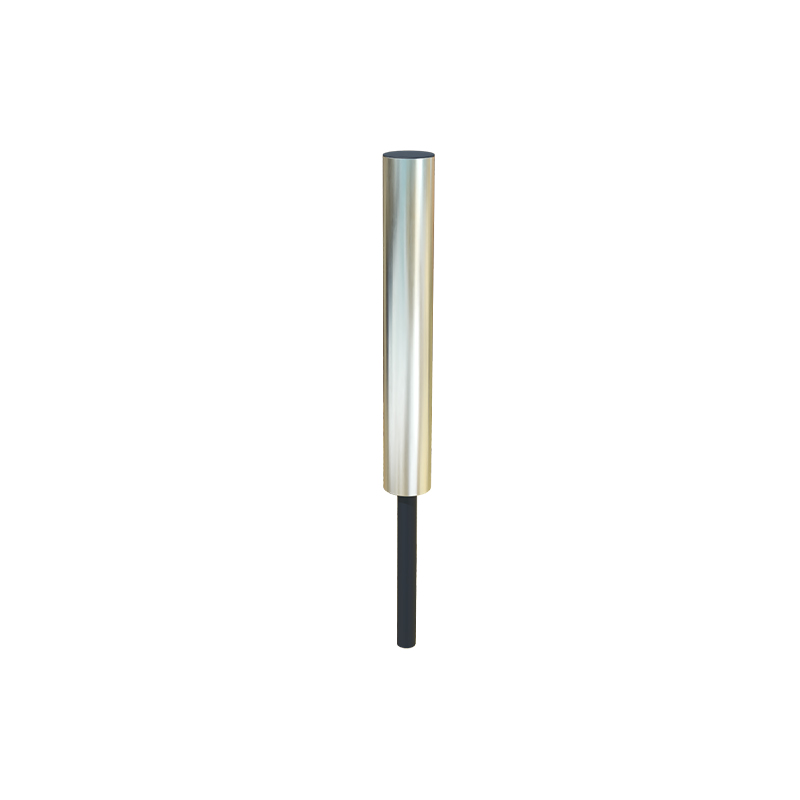
The operational principle varies based on the sensing technology. Inductive proximity sensors, the most common type for metal detection, generate an electromagnetic field. When a metallic object disrupts this field, it causes a change in oscillation amplitude, which is processed by the internal circuitry to trigger the output switch. Capacitive sensors can detect both metallic and non-metallic materials by sensing changes in capacitance. Regardless of the technology, the output stage for a 3-wire DC sensor is typically a transistor (PNP or NPN). For a normally open PNP sensor, the black output wire switches the positive voltage to the load. For a normally open NPN sensor, it switches the negative or ground path. Understanding this distinction is critical for correct integration into control systems, as it defines the current sourcing or sinking behavior.
Wiring a 3-wire NO sensor is straightforward but demands precision. For a standard DC sensor: connect the brown wire to the positive DC supply voltage (e.g., +24VDC), the blue wire to the negative/common (0VDC), and the black output wire to one terminal of the load. The other terminal of the load is then connected to the opposite power rail. If using a PNP sensor (sourcing), the load connects between the black wire and the negative rail. If using an NPN sensor (sinking), the load connects between the black wire and the positive rail. Always adhere to the manufacturer's specified voltage range, ensure proper polarity, and consider adding protective devices like fuses or surge suppressors in harsh electrical environments. A critical best practice is to verify the sensor's state via its built-in LED indicator during installation and commissioning.
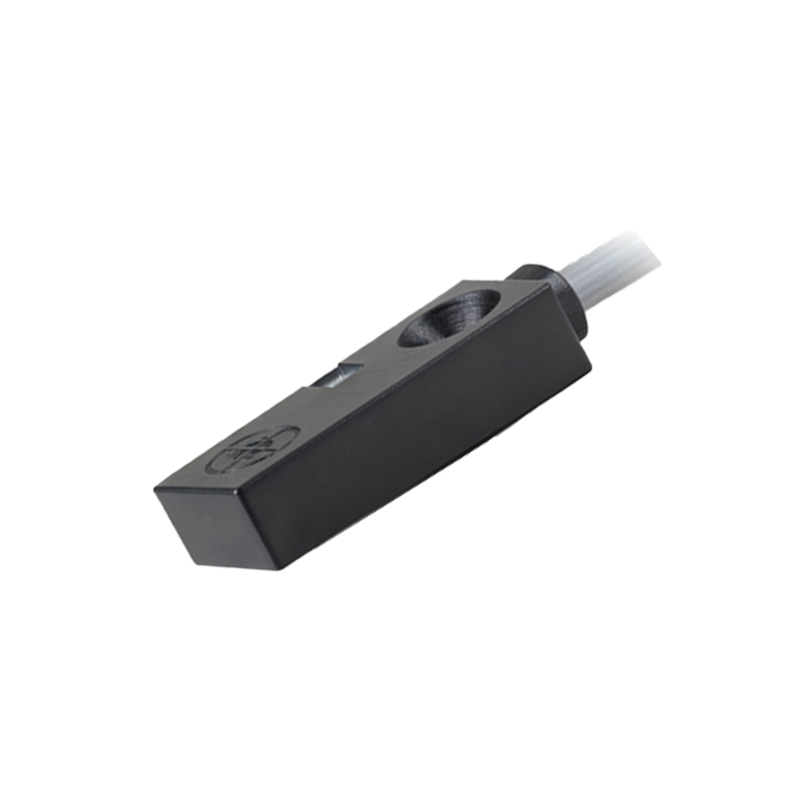
The applications for 3-wire normally open proximity sensors are extensive across manufacturing, packaging, material handling, and automotive industries. They are employed for tasks such as part presence verification on conveyor lines, counting objects, detecting end-of-travel limits on machinery, monitoring rotary speed via gear tooth detection, and ensuring correct positioning in assembly jigs. Their non-contact nature ensures high reliability, long operational life, and resistance to wear compared to mechanical limit switches. The fast switching speed, often in the kilohertz range, makes them suitable for high-speed counting and positioning applications.
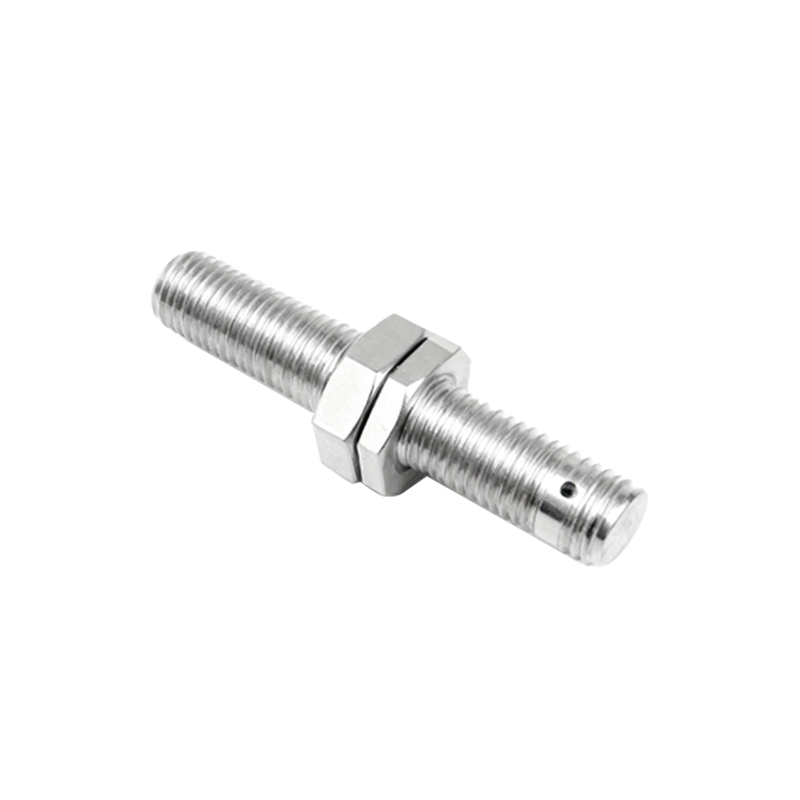
When selecting a 3-wire NO proximity sensor for a project, engineers must evaluate several parameters beyond just the wiring and output state. The sensing distance, often rated as a nominal value, must be derated for different target materials and shapes. The housing material (e.g., stainless steel, nickel-plated brass, or PBT plastic) must be chosen to withstand the environmental conditions, including exposure to coolants, oils, or washdowns. Key electrical specifications include the operating voltage range, output current capacity, leakage current (important for PLC inputs), and switching frequency. Additionally, standards compliance (e.g., IEC, NEMA, IP ratings for ingress protection) is non-negotiable for safety and reliability in industrial settings.
Troubleshooting common issues often involves a systematic approach. If a sensor fails to detect a target, check the power supply voltage and polarity, ensure the target is within the effective sensing range and is of the correct material, and verify that the load is within the sensor's current rating. A persistently activated output might indicate a wiring error or a sensor fault. Utilizing a multimeter to measure voltage at the output wire relative to the supply common, both with and without a target present, is a standard diagnostic procedure.
In conclusion, the 3-wire normally open proximity sensor is a robust, reliable, and indispensable component in modern electrical control systems. Its design