In the rapidly evolving landscape of rail transportation, locomotive laser sensors have emerged as pivotal components, driving significant advancements in safety, precision, and operational efficiency. These sophisticated devices utilize laser technology to perform critical functions such as obstacle detection, track monitoring, and speed measurement, thereby ensuring the reliable and secure movement of trains across vast networks.
The core principle behind locomotive laser sensors involves emitting laser beams and analyzing the reflected signals to gauge distances, identify objects, and assess environmental conditions. Unlike traditional mechanical or optical sensors, laser-based systems offer unparalleled accuracy, with the ability to detect minute details even in challenging weather conditions like fog, rain, or darkness. This resilience is crucial for maintaining uninterrupted rail operations, as it minimizes false alarms and enhances real-time decision-making for onboard control systems.
One of the primary applications of these sensors is in collision avoidance systems. By continuously scanning the track ahead, laser sensors can identify obstacles—be it debris, animals, or unauthorized personnel—and trigger immediate alerts or automatic braking mechanisms. This capability not only prevents accidents but also reduces wear and tear on braking components, leading to lower maintenance costs and extended equipment lifespan. Moreover, integration with GPS and IoT platforms allows for seamless data sharing across fleets, enabling predictive maintenance and optimized routing based on sensor feedback.
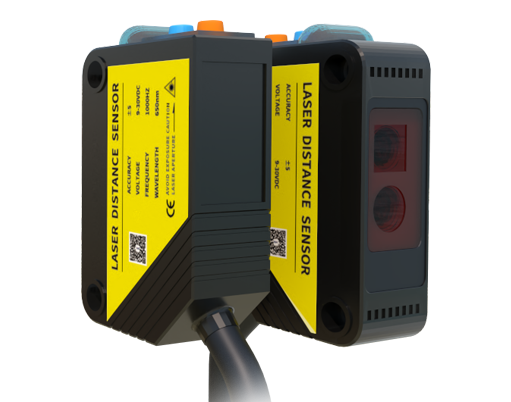
Another vital area is track geometry monitoring. Laser sensors mounted on locomotives can measure parameters such as rail alignment, gauge width, and surface irregularities with high precision. This data is invaluable for infrastructure management, as it helps identify sections requiring repair before they escalate into safety hazards. By facilitating proactive maintenance, rail operators can avoid costly disruptions and enhance passenger comfort through smoother rides.
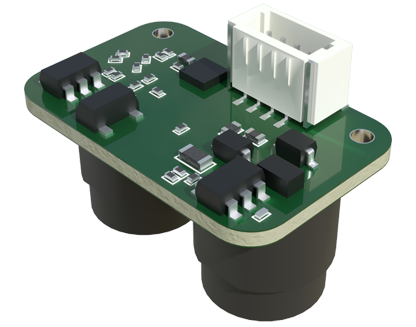
Speed and distance measurement are also revolutionized by laser technology. Traditional wheel-based sensors are prone to errors due to slippage or wear, but laser sensors provide direct, non-contact measurements of ground speed and traveled distance. This accuracy is essential for implementing advanced train control systems like Positive Train Control (PTC), which rely on precise location data to enforce speed limits and prevent collisions.
The adoption of locomotive laser sensors aligns with broader trends toward automation and digitalization in the rail industry. As trains become more autonomous, these sensors serve as the "eyes" of the vehicle, feeding data into artificial intelligence algorithms for enhanced situational awareness. Future developments may include multi-spectral laser systems capable of detecting chemical leaks or fire hazards, further bolstering safety protocols.
Despite their benefits, challenges remain, such as high initial costs and the need for specialized training for maintenance personnel. However, the long-term return on investment—through reduced accidents, improved efficiency, and regulatory compliance—makes them a worthwhile addition to modern locomotives. Industry standards, like those set by the International Union of Railways (UIC), are evolving to incorporate laser sensor specifications, ensuring interoperability and reliability across global networks.
In conclusion, locomotive laser sensors represent a transformative technology in rail transport. By delivering precise, real-time data, they empower operators to enhance safety, streamline operations, and embrace sustainable practices. As research continues to refine their capabilities, these sensors will undoubtedly play an even greater role in shaping the future of intelligent rail systems, fostering a new era of connectivity and resilience on the tracks.