Proximity sensors are indispensable components in modern industrial automation, serving as the "eyes" of machinery by detecting the presence or absence of objects without physical contact. Their primary function is to provide a reliable, non-contact method for object detection, which is crucial for enhancing operational efficiency, ensuring safety, and enabling precise control in automated systems. Unlike mechanical limit switches, proximity sensors offer longer service life, higher switching speeds, and immunity to environmental factors like dust, oil, and moisture when properly selected and housed.
The core functionality of a proximity sensor is based on the disturbance of an electromagnetic field, acoustic wave, or light beam. When a target object enters the sensor's detection range, it alters this field or beam. The sensor's internal circuitry detects this change and converts it into a clean electrical output signal, typically a switch closure (ON) or opening (OFF). This signal is then sent to a controller, such as a Programmable Logic Controller (PLC), to trigger subsequent actions like counting, positioning, sorting, or initiating a machine cycle. Key performance parameters include sensing distance, repeat accuracy, response frequency, and environmental resistance.
Proximity sensors are broadly classified based on their underlying detection principle. The most common classifications are as follows:
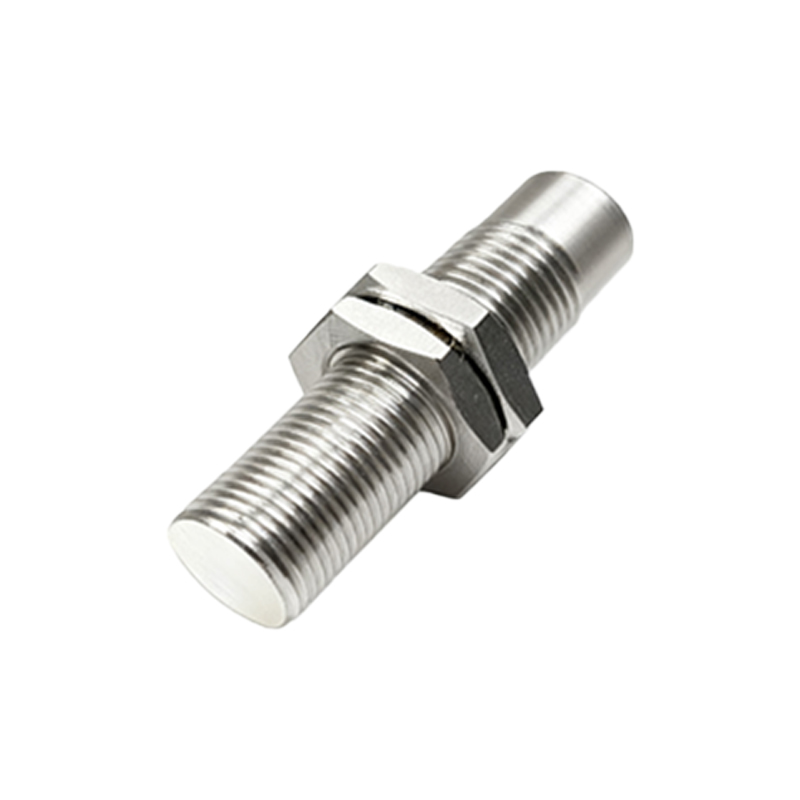
1. Inductive Proximity Sensors
These sensors generate an oscillating electromagnetic field from a coil at the tip. When a metallic object (ferrous or non-ferrous) enters this field, it induces eddy currents, causing a change in the oscillation amplitude. The sensor detects this damping effect. Inductive sensors are exclusively for detecting metals. Their sensing range depends on the target metal type, with shorter ranges for non-ferrous metals like aluminum or copper compared to steel. They are widely used in metal detection applications, such as part presence verification on conveyor lines, position sensing of machine tool components, and revolution counting.
2. Capacitive Proximity Sensors
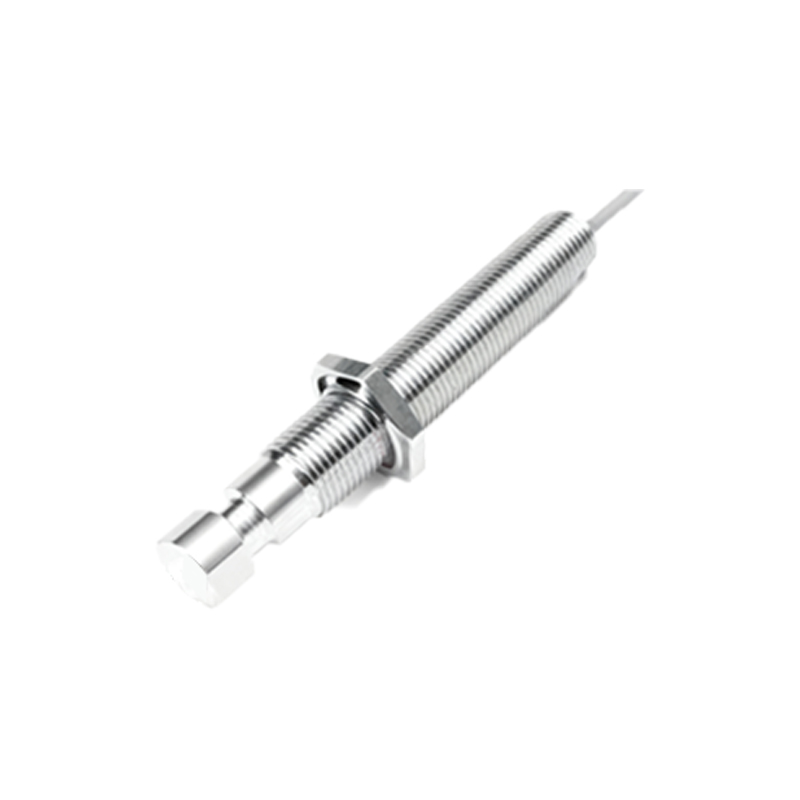
Capacitive sensors generate an electrostatic field. They can detect virtually any material—metals, plastics, wood, liquids, powders, and granular materials—by measuring changes in capacitance. When an object enters the sensing field, it alters the dielectric constant, changing the capacitance of the circuit. This makes them exceptionally versatile for applications like liquid level detection in non-metallic tanks, monitoring fill levels of bulk materials, and detecting non-metallic objects on packaging lines.
3. Photoelectric Sensors
Operating on light beam principles, these sensors consist of a light emitter (usually LED) and a receiver. They are categorized by their operating mode:
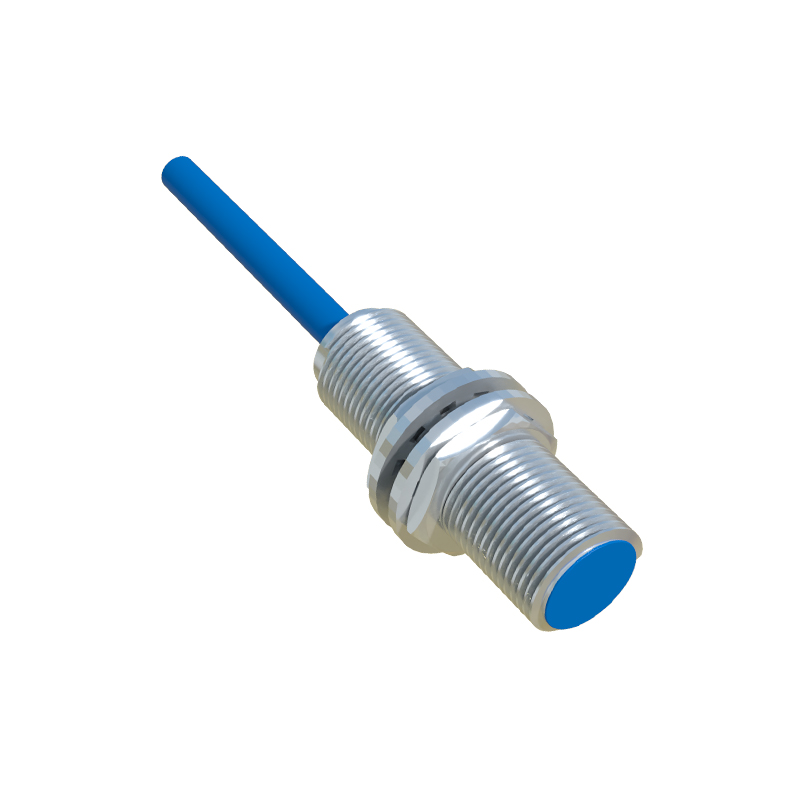
Through-beam (Opposed): Emitter and receiver are separate units. Detection occurs when an object interrupts the light beam. This mode offers the longest sensing range and highest reliability.
Retro-reflective: The emitter and receiver are in one housing, and a reflector bounces the light back. Detection occurs when an object blocks the beam to the reflector.
Diffuse (Proximity): The emitter and receiver are in one housing. Detection relies on light reflecting off the target object itself. Sensing distance is shorter and depends on the object's color and surface texture.
Photoelectric sensors are ideal for long-range detection, small object sensing, and color differentiation.
4. Ultrasonic Proximity Sensors
These sensors emit high-frequency sound waves and evaluate the reflected echo. They measure the time interval between sending the signal and receiving the echo to calculate the distance to the target. Ultrasonic sensors are excellent for detecting objects of varying color or transparency, liquid level sensing, and applications in harsh environments with dust or fog, where photoelectric sensors may fail. They are less suitable for detecting soft materials that absorb sound.
5. Magnetic Proximity Sensors (Reed Switches)
These simple sensors consist of two ferromagnetic reeds sealed in a glass tube. They are actuated by the presence of a permanent magnet. When the magnet approaches, the reeds attract and close the circuit. They are often used in cylinder position sensing (with a magnet embedded in the piston) and in safety door interlock systems due to their simplicity and reliability.
Selection of the appropriate sensor type depends on multiple factors: the target material, required sensing distance, environmental conditions (temperature, contaminants), electrical output requirements (NPN/PNP, NO/NC), and physical size constraints. For instance, an inductive sensor is perfect for detecting a steel gear tooth, while a capacitive sensor is necessary to sense the level of plastic pellets in a hopper.
In conclusion, proximity sensors form a critical layer of input for automated systems. Understanding their distinct functions and the specific advantages of each classification—inductive for metals, capacitive for nearly all materials, photoelectric for precision and range, ultrasonic for challenging environments, and magnetic for simple position feedback—enables engineers to design robust, efficient, and intelligent automation solutions.