In the realm of industrial automation, precision is paramount. Among the array of sophisticated sensing technologies enabling this precision, the line laser positioning sensor stands out as a critical tool for non-contact, high-accuracy measurement and positioning. Unlike single-point laser sensors that measure distance at a discrete spot, a line laser sensor projects a visible, fan-shaped laser line onto a target surface. A high-resolution camera, precisely calibrated to the laser's angle, captures the deformation or displacement of this line. Sophisticated onboard processors then analyze this image using triangulation algorithms to extract precise 2D or 3D profile data, including height, width, position, and even surface defects.
The core operating principle is laser triangulation. The laser emitter projects the line at a known angle. The reflected light from the object's surface is focused onto a CMOS or CCD sensor array within the camera. Any variation in the target's height or position causes the laser line to shift on the sensor plane. By calculating this shift pixel-by-pixel, the sensor's software constructs a detailed cross-sectional profile of the object. This allows for continuous measurement along the entire length of the laser line, providing a significant data advantage over point-based systems.
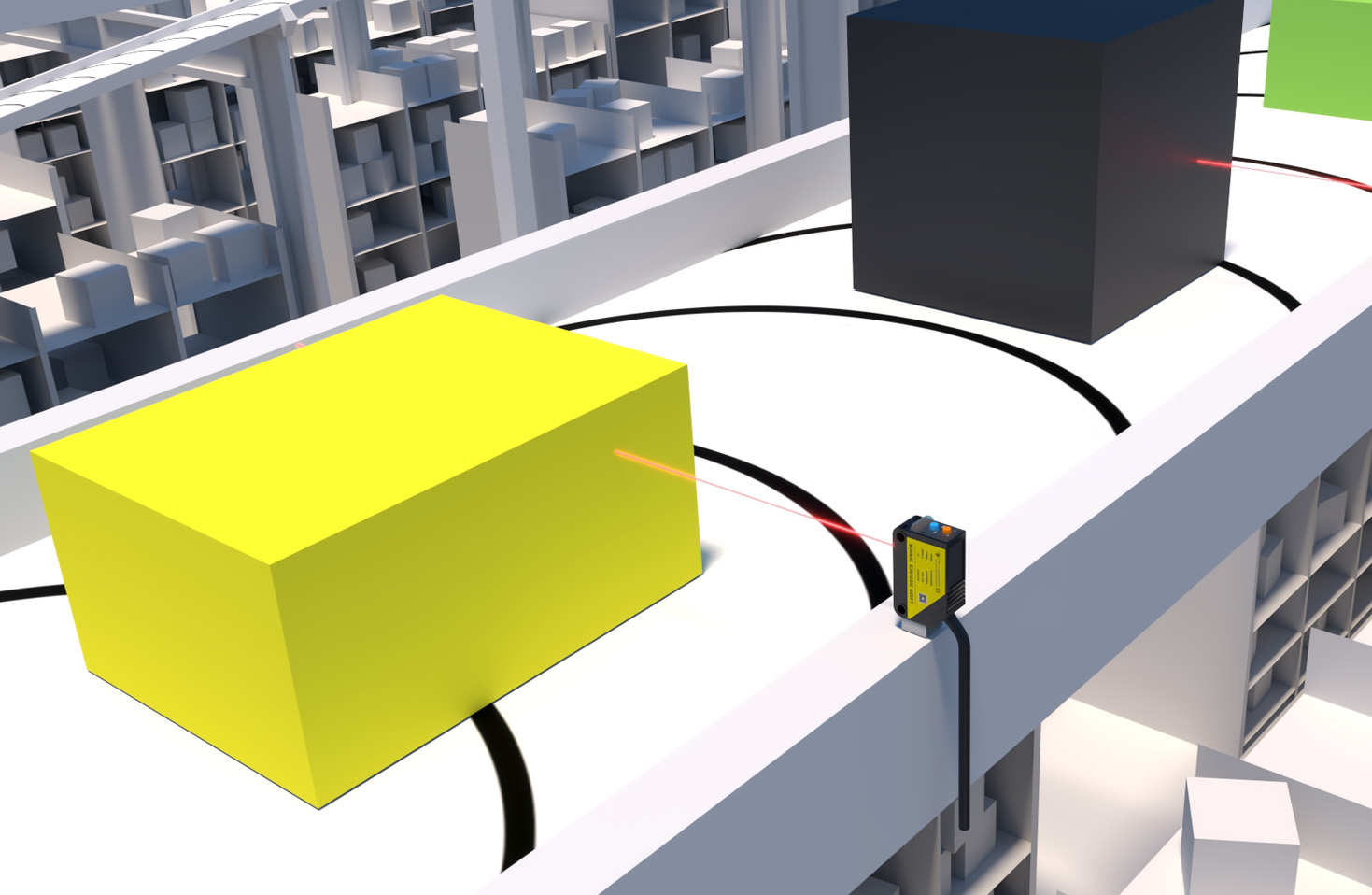
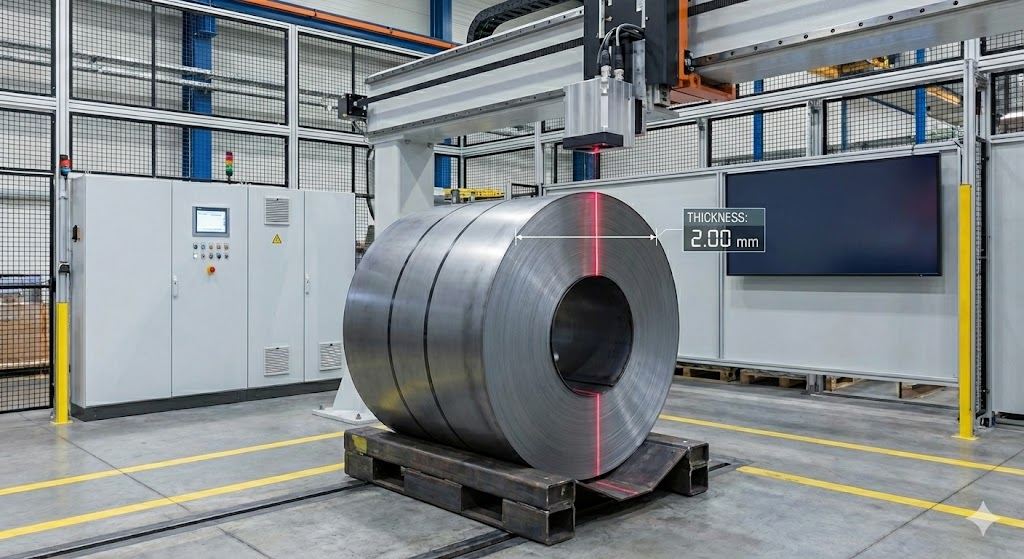
The applications for line laser positioning sensors are vast and transformative across multiple industries. In automotive manufacturing, they are indispensable for robotic guidance in seam sealing and welding, ensuring the robot follows the exact joint path. They perform gap and flush measurement on vehicle body panels with micron-level accuracy, guaranteeing quality and fit. In electronics assembly, these sensors verify coplanarity of Ball Grid Array (BGA) components, inspect solder paste height on PCBs, and guide precise placement of delicate parts. The logistics and packaging sector utilizes them for precise parcel dimensioning (volumetric measurement), pallet profiling, and box sorting. Furthermore, in general factory automation, they enable precise conveyor belt tracking, web guidance control, and continuous thickness monitoring of extruded or rolled materials like plastics, metals, and rubber.
Selecting the appropriate line laser sensor requires careful consideration of several key parameters. First, the measurement range and standoff distance must match the physical constraints of the application. The Z-axis resolution (height accuracy) and X-axis resolution (lateral point spacing) determine the sensor's ability to detect minute variations. The laser line length must be sufficient to cover the target's width. Scanning rate or profile frequency is critical for high-speed production lines; a faster rate ensures no data is missed on rapidly moving objects. Environmental robustness is another vital factor. Many industrial sensors feature IP67 or higher ratings for resistance to dust and water ingress. The interface (e.g., Ethernet/IP, PROFINET, EtherCAT, analog I/O) must be compatible with the existing factory network for seamless data integration into PLCs and control systems.
Integration and calibration are crucial steps for optimal performance. The sensor must be mounted rigidly to prevent vibration-induced errors. Ambient lighting conditions can interfere with the laser line; therefore, using sensors with modulated laser light or built-in optical filters to block ambient light is often necessary. The calibration process, typically performed using a certified calibration target, establishes the precise relationship between pixel coordinates and real-world dimensions. Modern sensors often come with intuitive software suites that simplify this setup, allowing users to define measurement zones, set pass/fail thresholds, and output tailored data packets.
Looking ahead, the evolution of line laser sensors is intertwined with Industry 4.0 trends. Integration with AI and machine learning algorithms is enabling more advanced in-line inspection, moving from simple measurement to defect classification and predictive quality analysis. Miniaturization of components is leading to more compact sensor designs for installation in tight spaces. Furthermore, the development of blue laser models offers advantages for measuring challenging surfaces like dark, matte, or organic materials that traditionally scatter infrared light, providing more reliable data on a wider range of targets.
In conclusion, the line laser positioning sensor is far more than a simple measuring device; it is an enabling technology for intelligent automation. By providing fast, accurate, and reliable profile data, it forms the "eyes" of automated systems, ensuring quality control, guiding robots, and optimizing processes. For engineers and system integrators, a deep understanding of its principles, applications, and selection criteria is essential for designing efficient, precise, and future-proof automated solutions that drive productivity and quality in modern manufacturing.