In the rapidly evolving landscape of industrial automation and smart systems, the role of sensors has transcended basic detection to become a cornerstone of intelligent decision-making. Among these, multi-function proximity sensors stand out as a particularly versatile and powerful category. But how good are they really? This analysis delves into their technical merits, applications, and the tangible value they deliver in modern engineering contexts.
Fundamentally, a proximity sensor detects the presence or absence of an object within a specified range without physical contact. Traditional variants—inductive, capacitive, ultrasonic, or photoelectric—are typically designed for a single sensing principle and output. A multi-function proximity sensor, however, integrates several of these sensing technologies and/or offers configurable output modes (e.g., NPN/PNP, NO/NC, analog, IO-Link) within a single, robust housing. This convergence is not merely a convenience; it represents a strategic shift towards flexibility and future-proofing in system design.
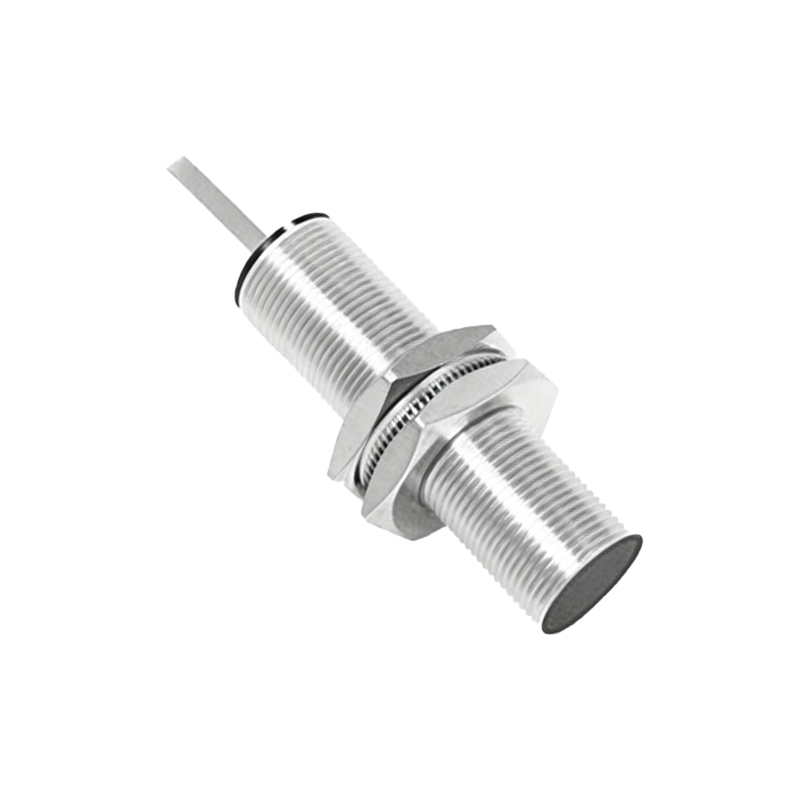
The primary advantage is unparalleled application adaptability. A single multi-function sensor can often be programmed or configured to switch between sensing metallic objects (inductive mode), non-metallic materials like liquids or plastics (capacitive mode), or to measure distance (analog ultrasonic mode). This eliminates the need to stock, wire, and maintain multiple dedicated sensor types for different tasks on a production line. For OEMs and system integrators, this simplifies design, reduces part numbers, and cuts inventory costs significantly. In retrofit or upgrade scenarios, such a sensor can replace several older units, streamlining cabinet space and wiring complexity.
From a performance standpoint, modern multi-function sensors boast impressive specifications. Typical sensing ranges are competitive with their single-function counterparts, with advanced models offering background suppression and high noise immunity. Key parameters like repeatability, response time, and temperature stability are engineered to meet rigorous industrial standards (e.g., IP67, IP69K ratings). The integration of smart communication protocols like IO-Link is a game-changer. It enables remote configuration, real-time monitoring of sensor health and process data (like exact distance values), and predictive maintenance alerts, pushing these devices into the realm of Industry 4.0.
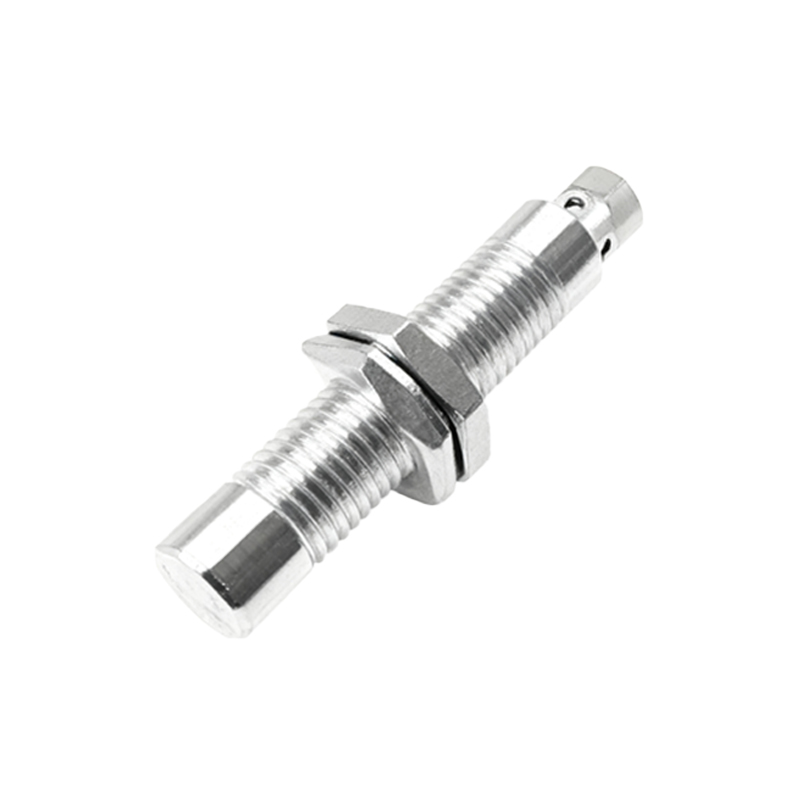
However, their superiority is context-dependent. The initial unit cost is generally higher than a basic inductive sensor. Therefore, the justification comes from the total cost of ownership and operational flexibility. In dynamic environments where production batches change frequently—such as in flexible manufacturing cells or packaging lines handling diverse products—the ability to reconfigure a sensor via software in minutes, rather than physically replacing hardware, minimizes downtime and enhances overall equipment effectiveness (OEE).
In practical applications, their prowess is evident. In automotive assembly, one sensor can verify the presence of a metal bracket and then check the fill level of a plastic fluid reservoir. In material handling, a sensor can detect transparent films on a roller (photoelectric mode) and simultaneously monitor the proximity of the metal roller frame. In food and beverage, a stainless-steel housed multi-function sensor with capacitive capability can detect product levels through a non-metallic tank wall while resisting harsh washdowns.
Potential limitations warrant consideration. The sensing range for a specific mode in a multi-function device might be slightly less than that of a top-tier, purpose-built single-technology sensor. Also, the configuration software and interface, while powerful, require trained personnel. For a simple, unchanging application—like detecting a steel gear at a fixed point—a standard inductive sensor remains the most economical and straightforward choice.
In conclusion, multi-function proximity sensors are exceptionally good for the right applications. They are not a universal replacement for all specialized sensors but a strategic tool for complexity, variability, and intelligence. Their value proposition lies in reducing system complexity, enhancing adaptability, and enabling data-rich operations. For engineers designing agile, data-driven, and efficient systems, specifying a multi-function proximity sensor is often a decision that pays dividends in scalability, maintenance, and long-term operational resilience. As sensor fusion and intelligence continue to advance, their role will only become more central to building the responsive factories and machines of the future.