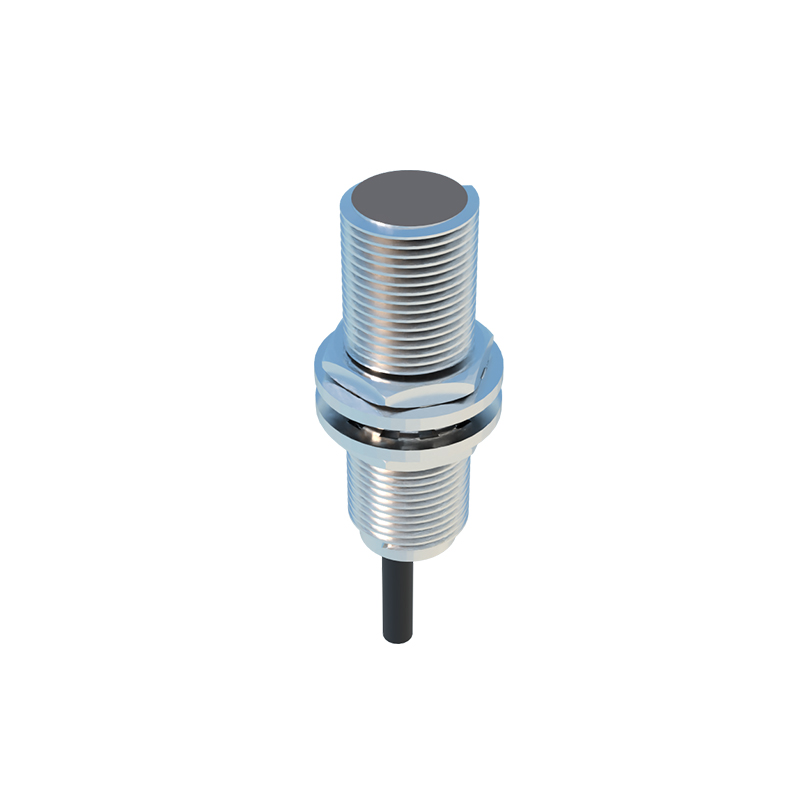
Proximity limit sensors are essential components in modern industrial automation, providing non-contact detection of metallic and non-metallic objects. These sensors play a critical role in ensuring precision, safety, and efficiency across various applications, from assembly lines and robotic systems to packaging machinery and automotive manufacturing. This guide offers a detailed overview of proximity sensor images, technical specifications, and current market pricing to assist engineers and procurement specialists in making informed decisions.
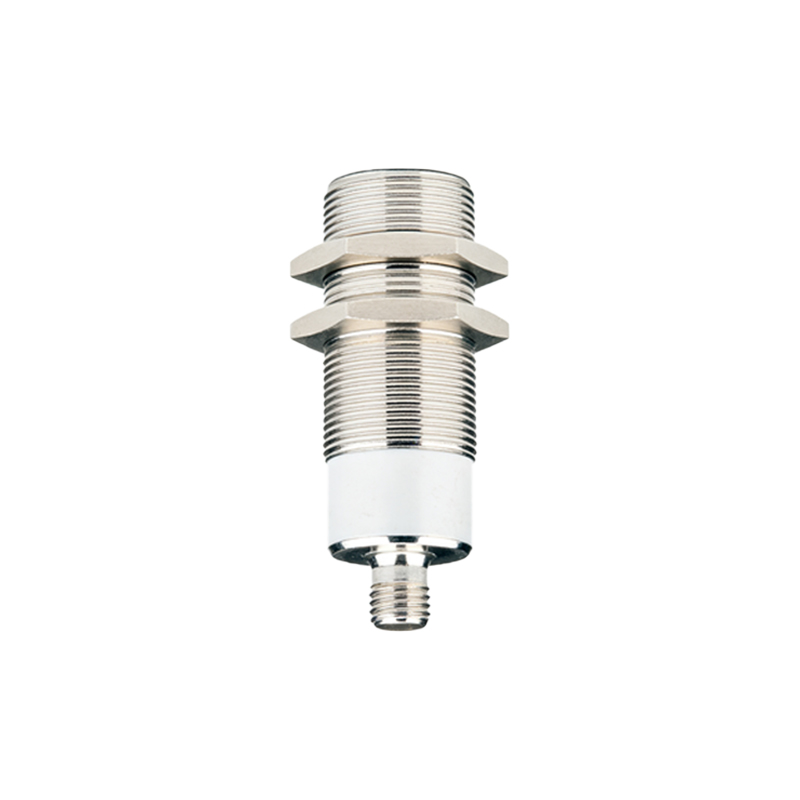
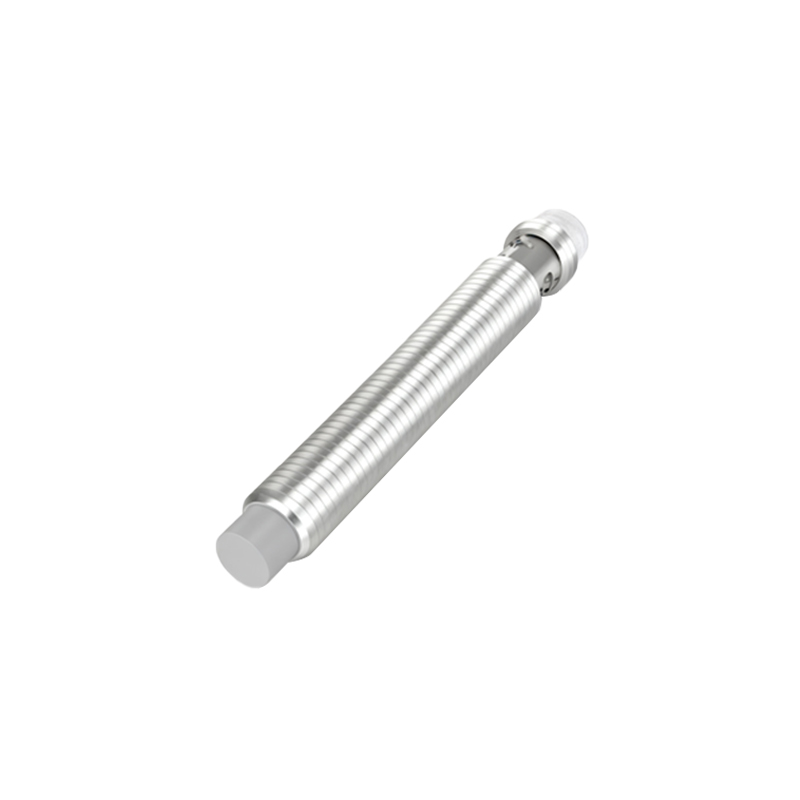
Visually, proximity sensors come in diverse form factors. Common types include cylindrical, rectangular, and ring-shaped designs. Cylindrical sensors, such as the standard M8, M12, M18, and M30 threaded barrels, are widely used for their ruggedness and ease of installation. Images typically highlight key features like the sensing face, LED status indicators, cable or connector types, and housing materials like nickel-plated brass, stainless steel, or PBT plastic. Rectangular sensors offer compact mounting in tight spaces, while ring sensors are ideal for part counting or detecting objects passing through an aperture. High-resolution product images often illustrate the sensor’s dimensions, mounting nuts, and protection ratings (e.g., IP67 or IP69K), which are crucial for harsh environments involving dust, moisture, or washdowns.
Technologically, these sensors are classified by their operating principles. Inductive proximity sensors detect ferrous and non-ferrous metals without physical contact, using an electromagnetic field. Capacitive sensors can detect both metallic and non-metallic materials, including liquids, powders, and plastics, by measuring changes in capacitance. Ultrasonic sensors employ sound waves for longer-range detection, while photoelectric sensors use light beams. Each type has distinct internal components visible in cutaway images: coils, oscillators, and solid-state electronics for inductive; electrode plates for capacitive; transducers for ultrasonic; and LEDs or laser diodes for photoelectric variants.
Pricing for proximity limit sensors varies significantly based on type, specifications, and brand. Entry-level inductive sensors with basic features (e.g., 5-10mm sensing range, DC two-wire configuration) can start from $15 to $30 per unit. Mid-range models offering longer sensing distances (up to 40mm), analog outputs, or enhanced resistance to electrical noise typically range from $30 to $80. High-performance sensors with extended ranges (over 60mm), high-speed response (microsecond-level), extreme temperature tolerance, or specialized certifications (like ATEX for explosive atmospheres) may cost $100 to $300 or more. Capacitive sensors generally command a 20-30% premium over inductive ones due to their complex circuitry. Ultrasonic and long-range photoelectric sensors are often priced above $50, with advanced versions exceeding $200.
Brand reputation also influences cost. Established manufacturers like Siemens, Omron, Schneider Electric, and Pepperl+Fuchs tend to have higher price points, reflecting reliability, global support, and compliance with international standards. Conversely, generic or regional brands may offer competitive pricing but with potential trade-offs in longevity or precision. Bulk purchasing (orders of 100+ units) typically reduces per-unit costs by 10-25%, especially for standard models.
When evaluating sensors, engineers should cross-reference images with datasheets to verify specifications like sensing distance, repeat accuracy, output type (PNP/NPN, NO/NC), voltage range, and housing material. Real-world installation photos or diagrams showing sensor mounting orientation, cable management, and integration with PLCs or controllers are invaluable for planning. Additionally, consider total cost of ownership, including maintenance, compatibility with existing systems, and supplier lead times.
In summary, selecting the right proximity limit sensor involves balancing visual design, technical requirements, and budget constraints. High-quality images aid in identifying physical attributes, while understanding pricing structures ensures cost-effective procurement. As Industry 4.0 advances, these sensors continue to evolve, offering smarter features like IO-Link connectivity for predictive maintenance, further enhancing their value in automated industrial ecosystems.