Infrared laser testing sensors represent a cornerstone of modern industrial automation, quality control, and precision measurement. These sophisticated devices operate by emitting a focused beam of infrared laser light and analyzing the reflected signal to determine critical parameters such as distance, presence, displacement, or surface characteristics. Unlike visible light sensors, infrared lasers operate in a spectrum invisible to the human eye, typically between 700 nm and 1 mm, which offers significant advantages in terms of reduced ambient light interference and enhanced performance in challenging environments.
The core principle hinges on various methodologies, with time-of-flight (ToF) and triangulation being among the most prevalent. In a ToF sensor, the device calculates the distance to a target by precisely measuring the time delay between the emission of a laser pulse and the detection of its reflection. This technology excels in long-range measurements and is widely used in applications like vehicle LiDAR and bulk material level monitoring. Triangulation sensors, on the other hand, use a geometric approach. The emitted laser beam strikes the target, and the reflected light is focused onto a position-sensitive detector (PSD or CMOS). The position of the light spot on the detector shifts proportionally to the target's distance, allowing for extremely high-resolution measurements at shorter ranges, ideal for profiling, thickness gauging, and vibration analysis.
The applications of infrared laser testing sensors span virtually every industrial sector. In manufacturing, they are indispensable for robotic guidance, part inspection, and assembly verification. For instance, in automotive assembly lines, laser sensors ensure precise gap and flush measurements between body panels. In the electronics industry, they verify component placement on PCBs with micron-level accuracy. In logistics and packaging, they count items, detect label presence, and control filling levels. Furthermore, their role in predictive maintenance is growing, where they monitor shaft alignment, detect thermal expansion in machinery, or measure vibration frequencies to predict potential failures before they cause downtime.
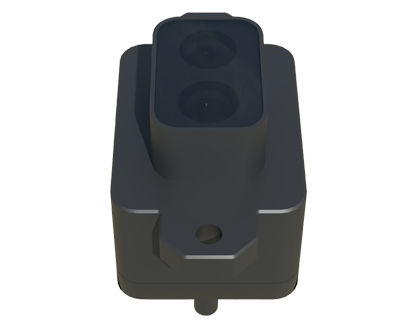
Selecting the right infrared laser sensor requires a careful analysis of several key parameters. Engineers must first define the required measurement range, resolution, and repeatability. The target's surface properties are crucial; highly reflective or dark, absorbent surfaces can affect signal strength and may require sensors with automatic exposure control or specialized filters. Environmental conditions such as temperature extremes, dust, fog, or ambient light from other sources must be considered. Many industrial-grade sensors feature robust housings (IP67 or higher) and are designed to withstand shock and vibration. Output options are another critical factor, with common interfaces including analog (4-20 mA, 0-10 V), digital (RS-232, RS-485), and industrial network protocols like PROFINET, EtherNet/IP, or IO-Link for seamless integration into PLC-controlled systems.
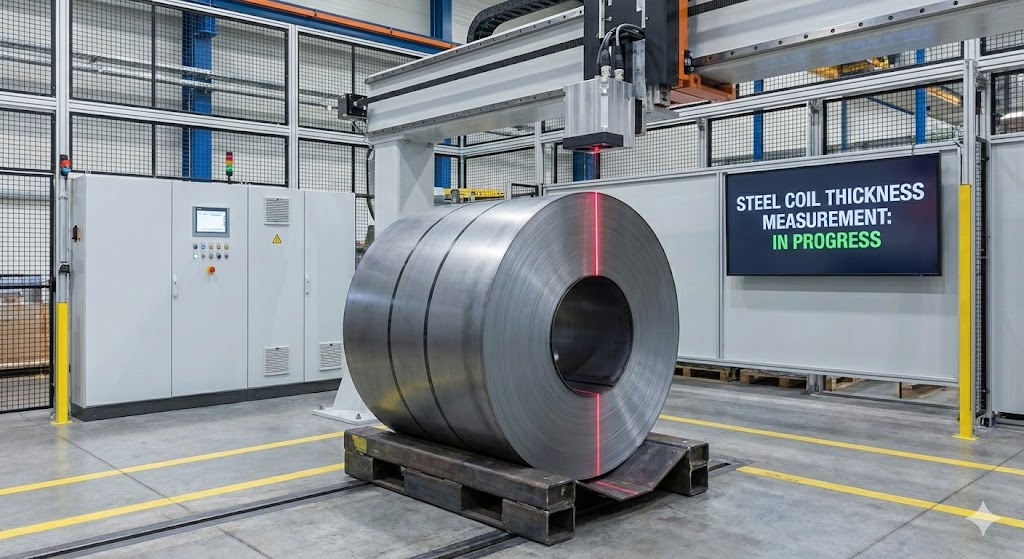
Recent advancements continue to push the boundaries of what these sensors can achieve. The integration of CMOS technology has led to smarter sensors with embedded processors capable of real-time data analysis and edge computing. The development of Class 1 laser products ensures eye-safe operation without the need for extensive safety enclosures in many scenarios, simplifying integration. Furthermore, multi-point and profile sensors, which use a single laser line scanned across a surface, are revolutionizing 3D inspection and volume measurement tasks.
In conclusion, infrared laser testing sensors are powerful, versatile tools that provide non-contact, high-speed, and highly accurate data critical for industrial efficiency and quality. Their selection and implementation demand a thorough understanding of both the sensor technology and the specific application requirements. As Industry 4.0 and smart factory concepts mature, these sensors will increasingly function not just as data collectors but as intelligent nodes in a connected industrial ecosystem, driving automation to new levels of precision and reliability.