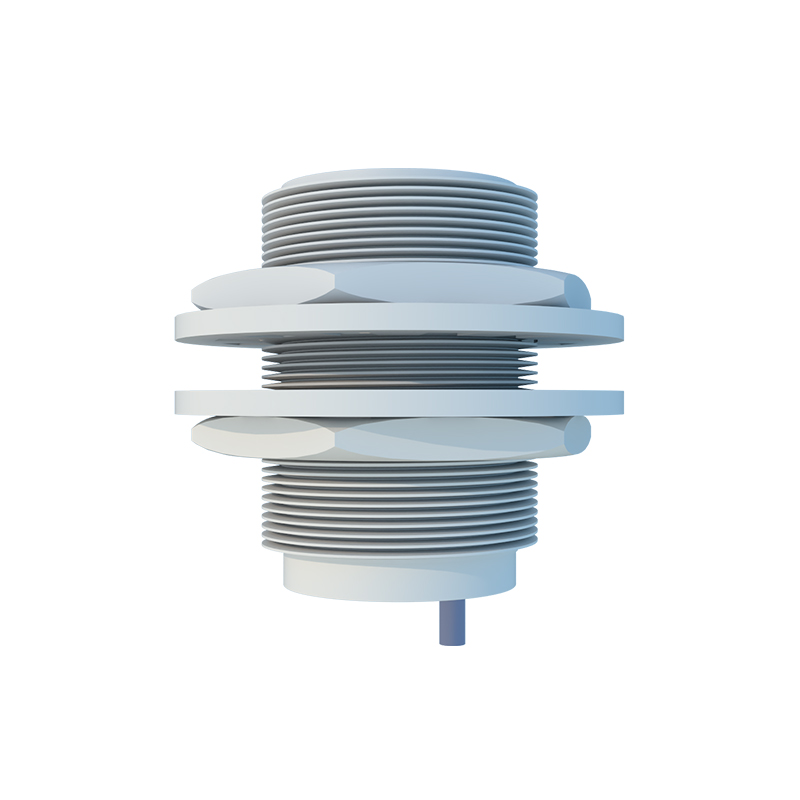
In the demanding landscape of modern industrial automation, the reliability of sensing technology is paramount. Among the various sensor types, proximity sensors play a critical role in detecting the presence or absence of objects without physical contact. However, in environments saturated with powerful electromagnetic fields—such as those near welding equipment, large motors, transformers, or high-frequency induction heaters—standard inductive or capacitive proximity sensors can experience significant performance degradation or complete failure. This is where High Magnetic Immunity Proximity Sensors become indispensable. Their primary function is to maintain stable and accurate operation despite exposure to intense external magnetic interference.
The core challenge in high-magnetic-field environments is the phenomenon of magnetic saturation. Standard inductive sensors generate their own high-frequency electromagnetic field. When an external strong magnetic field is present, it can saturate the sensor's ferrite core, distort the oscillator's waveform, and cause the output circuit to trigger erroneously or fail to trigger at all. This leads to false positives, missed detections, and ultimately, production downtime, safety hazards, and product quality issues. High magnetic immunity sensors are engineered specifically to counteract these effects through several key design principles.
Firstly, advanced magnetic shielding is employed. This involves using specialized materials and enclosure designs that divert or absorb external magnetic flux, preventing it from penetrating the sensor's sensitive internal coil and oscillator circuit. Secondly, the sensor's electronic circuitry is designed with enhanced filtering and compensation algorithms. These circuits can distinguish between the sensor's own generated field (altered by the target) and the external disruptive noise, effectively canceling out the interference. Furthermore, some designs utilize differential sensing techniques or specific coil geometries that are inherently less susceptible to uniform external fields.
The applications for these robust sensors are vast and critical. In robotic welding cells, they reliably detect fixture positions and part presence amidst the intense magnetic fields generated by the welding current. Within the renewable energy sector, they are crucial in wind turbine pitch control systems and power converter cabinets. Electric vehicle manufacturing and battery testing facilities, with their powerful motors and charging systems, also depend on these sensors. Additionally, they are found in heavy industrial settings like steel mills, metal stamping presses, and magnetic separation equipment.
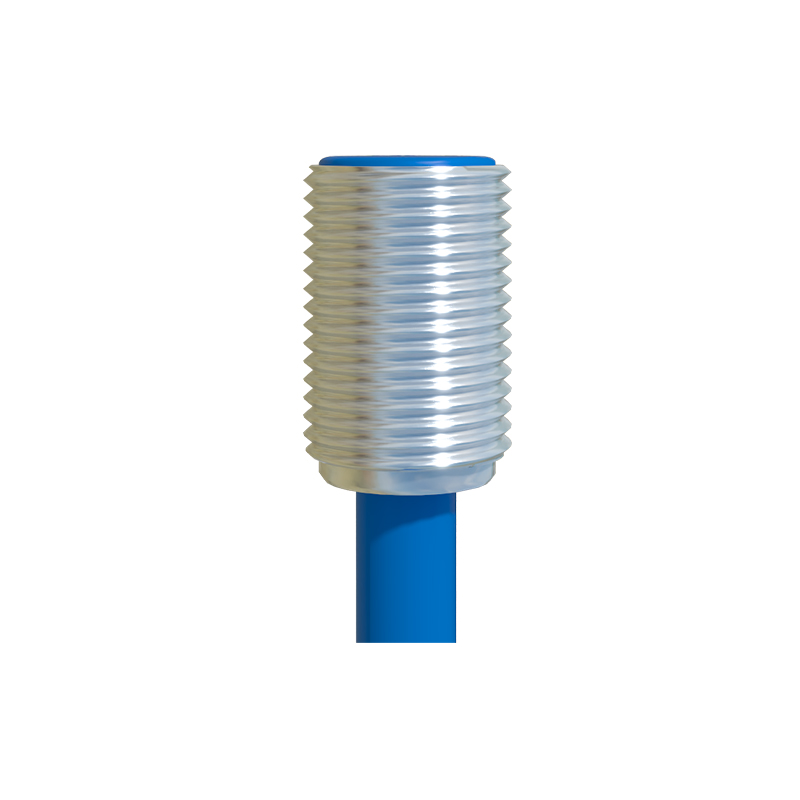
Selecting the right high magnetic immunity sensor requires careful consideration of several parameters beyond the standard sensing distance and output type. The level of magnetic immunity is typically specified as the maximum external magnetic field strength (measured in Gauss or Tesla) the sensor can withstand while maintaining its operational characteristics. It is vital to match this specification to the worst-case scenario in the application. Other factors include the sensor's housing material (often stainless steel for additional shielding), operating temperature range, and its immunity to other types of interference like electrical noise. Installation practices also matter; proper grounding and cable routing away from power lines can further enhance performance.
In conclusion, High Magnetic Immunity Proximity Sensors are not merely optional upgrades but essential safety and reliability components in electrically noisy industrial ecosystems. They bridge the gap between basic automation and resilient, continuous operation in the most challenging conditions. By ensuring accurate and fail-safe object detection despite powerful electromagnetic interference, they protect machinery, uphold production quality, and prevent costly unplanned stoppages. As industries push towards greater electrification and higher power densities, the role of these specialized sensors will only become more central to achieving robust and intelligent automation.