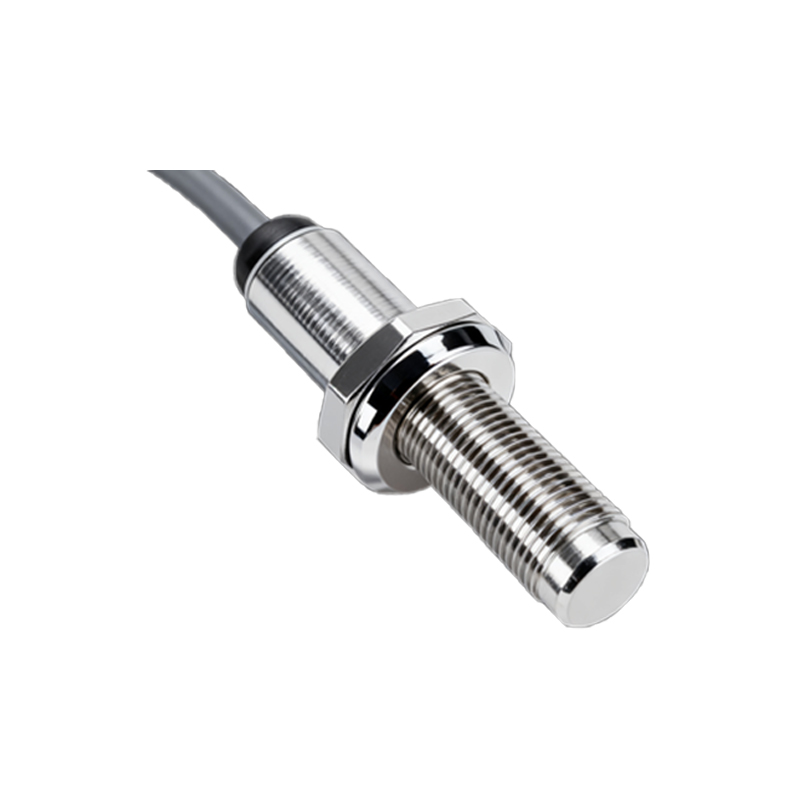
Metal proximity sensors with integrated amplifiers represent a critical advancement in industrial sensing technology, designed to detect the presence or absence of metallic objects without physical contact. These sensors operate primarily on the principle of electromagnetic induction. A coil within the sensor generates a high-frequency electromagnetic field. When a metallic target enters this field, eddy currents are induced in the metal, causing a change in the oscillation amplitude within the sensor's circuit. This change is detected and processed. However, the raw signal from the sensing element is often weak and susceptible to electrical noise, especially in harsh industrial environments filled with machinery, variable frequency drives, and other sources of interference. This is where the integrated amplifier becomes indispensable.
The amplifier, built directly into the sensor housing or as a separate, connectable module, serves multiple vital functions. Firstly, it amplifies the weak detection signal to a robust, standardized output level. Common output types include NPN, PNP, or push-pull transistor configurations (sinking or sourcing), as well as analog (0-10V, 4-20mA) or IO-Link digital outputs. This strong, clean signal can be reliably transmitted over longer cable runs to a Programmable Logic Controller (PLC) or other control system without degradation. Secondly, the amplifier provides crucial adjustability. Key parameters such as sensing range, switching hysteresis, and output delay timers (ON-delay, OFF-delay) can be fine-tuned, often via potentiometers or teach-in buttons. This allows engineers to precisely tailor the sensor's behavior to specific applications, minimizing false triggers from background metals or vibration.
A major advantage of these amplified sensors is their enhanced noise immunity. The amplifier circuitry typically includes filtering and shielding technologies that reject electromagnetic interference (EMI) and radio-frequency interference (RFI). This ensures stable operation even when installed near welding equipment, large motors, or power lines. Furthermore, the amplified output simplifies wiring and system integration. Instead of requiring an external amplifier or complex signal conditioning module, the sensor provides a "plug-and-play" solution that directly interfaces with standard industrial control inputs.
The applications for metal proximity sensors with amplifiers are vast across factory automation. They are extensively used for precise position detection—verifying if a robotic gripper has picked up a metal part, confirming the closed position of a metal door or guard, or detecting the end-of-travel of a pneumatic cylinder with a metal piston. In conveyor systems, they count metal products, control sorting gates, and ensure proper part positioning for machining. In machine tools, they provide feedback on tool presence, turret position, or workpiece clamping. Their robustness also makes them suitable for challenging conditions in automotive assembly, metal stamping, and packaging machinery.
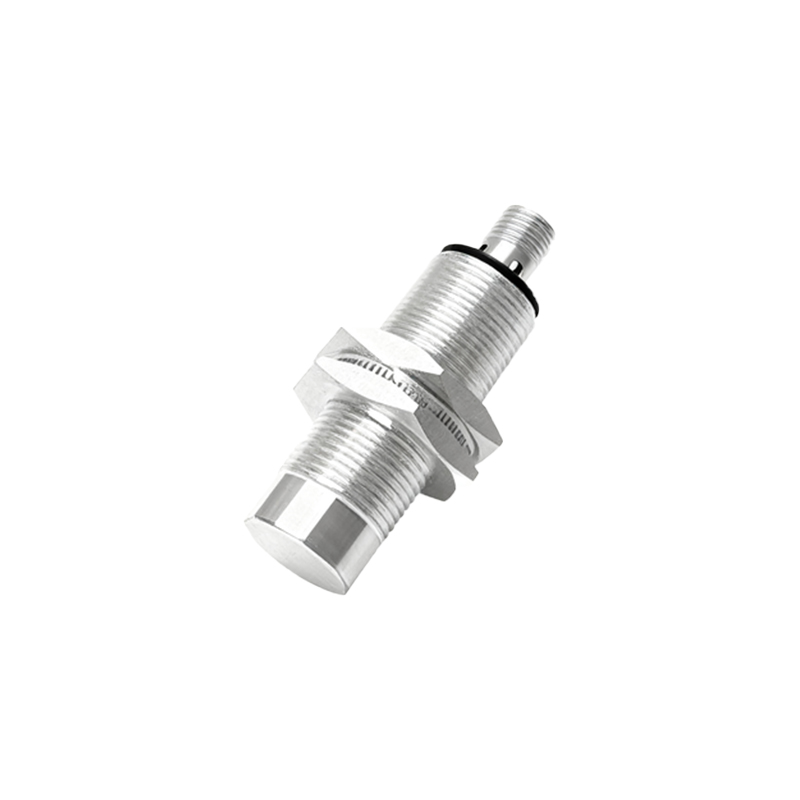
When selecting a metal proximity sensor with an amplifier, several specifications must be considered. The sensing distance, typically rated for a standard iron target, is a primary factor. It's crucial to note that the effective range varies with different metals; for instance, stainless steel may reduce the range by 20-30%, while copper or aluminum can reduce it by 50% or more. The housing material, such as nickel-plated brass or stainless steel, must be chosen for the environmental conditions, including exposure to coolants, oils, or washdowns. Frequency response, or switching speed, is critical for high-speed counting or detection on fast-moving production lines. Finally, output configuration must match the input requirements of the downstream controller to ensure compatibility.
In summary, the integration of an amplifier transforms a basic inductive proximity sensor into a highly reliable, configurable, and noise-immune component. It bridges the gap between the physical detection event and the digital control world, providing a strong, clean signal that is essential for modern, data-driven industrial automation. By understanding their operating principles, key features, and application criteria, engineers and technicians can effectively deploy these sensors to enhance machine reliability, improve process accuracy, and reduce downtime in demanding manufacturing environments.