When sourcing industrial automation components, understanding the pricing of DC 2-wire proximity sensors is crucial for effective budgeting and procurement. Unlike their 3-wire and 4-wire counterparts, 2-wire sensors simplify installation by combining the power supply and signal output in the same two wires, directly interfacing with PLC inputs. This design directly influences their cost structure.
The price range for these sensors is broad, typically spanning from $20 to $200 or more per unit. This significant variation is not arbitrary but is dictated by a confluence of technical specifications, performance features, and brand value. The core sensing technology—inductive, capacitive, or ultrasonic—forms the primary price tier. Standard inductive sensors, detecting metallic objects, are generally the most economical. Capacitive sensors, capable of detecting non-metallic materials like liquids or plastics, command a higher price. Ultrasonic sensors, used for precise distance measurement, sit at the premium end.
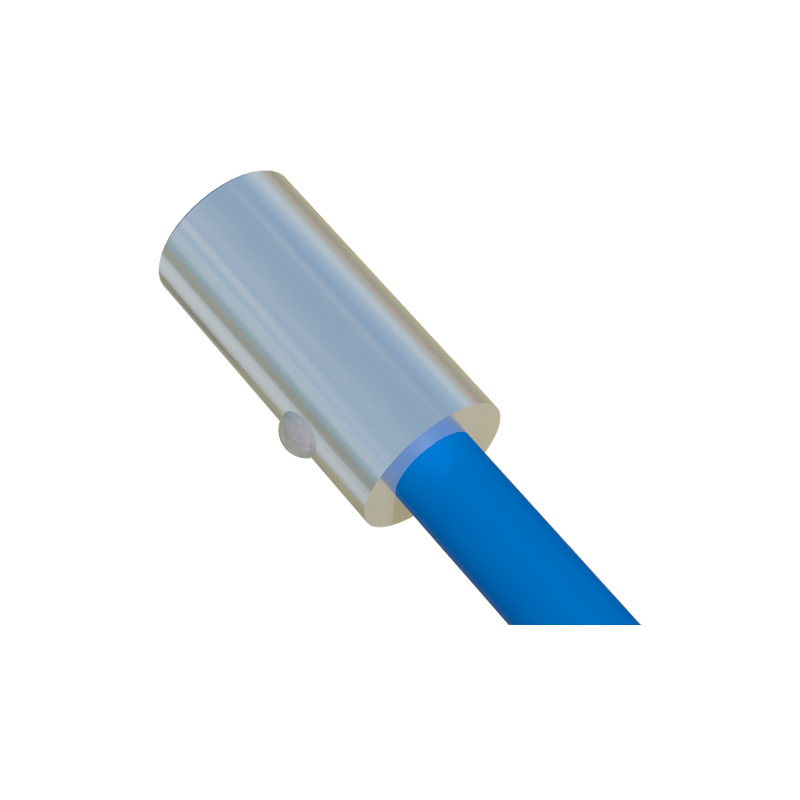
Within each technology category, specific performance parameters cause price fluctuations. Sensing distance is a major factor; a sensor with a 5mm range will cost less than an identical model with a 15mm range. The housing material also plays a role. Economical sensors often use plastic (PBT) housings, while models designed for harsh environments with stainless steel or nickel-plated brass housings are more expensive. This ruggedization extends to protection ratings. A sensor with an IP67 rating (dust-tight and protected against temporary immersion) is standard, but those with higher IP68 or IP69K ratings for continuous immersion or high-pressure washdowns will increase the cost.
Electrical characteristics directly impact compatibility and price. The operating voltage range (e.g., 10-30V DC) is standard, but current consumption and output type (normally open or normally closed) are baseline specs. More advanced features like short-circuit protection, reverse polarity protection, and especially diagnostic indicators (like LED status lights) add to the manufacturing cost and, consequently, the price. Brand reputation and associated services form another critical layer. Established global brands like Siemens, Omron, Pepperl+Fuchs, and Balluff carry a price premium justified by extensive R&D, proven reliability, global certification, and comprehensive warranty and technical support. Generic or lesser-known brands offer lower upfront costs but may involve trade-offs in longevity, consistency, or availability of support.
Additional cost considerations include the connector type. Sensors with pre-wired cables or quick-disconnect M12 connectors are more convenient but pricier than those with simple lead wires. Ordering volume is perhaps the most straightforward commercial factor; substantial quantity discounts are standard from both distributors and manufacturers. It's also vital to consider the total cost of ownership. A cheaper sensor that fails prematurely, causing production downtime, is far more costly than a reliable, higher-priced unit. Consistency in detection and longevity in demanding cycles are value attributes not always reflected in the initial price tag.
Therefore, a savvy purchase decision moves beyond simply comparing price lists. It involves a careful technical audit: defining the exact application (target material, required sensing distance, environmental conditions like temperature, humidity, and exposure to chemicals). Then, cross-reference the necessary specifications with products from different brands. Finally, factor in the procurement logistics—supplier reliability, lead times, and available inventory. By systematically evaluating these elements, buyers can identify the optimal DC 2-wire proximity sensor that delivers the required performance and reliability at a justifiable price point, ensuring value extends far beyond the initial purchase order.