In the rapidly evolving landscape of industrial automation, intelligent proximity sensor manufacturing has emerged as a cornerstone of modern production systems. These advanced sensors, capable of detecting the presence or absence of objects without physical contact, are integral to enhancing efficiency, safety, and precision across diverse sectors. Leading manufacturers in this field are leveraging cutting-edge technologies to produce sensors that offer unparalleled reliability and adaptability.
The production process begins with meticulous design and engineering, where factors such as sensing range, response time, and environmental durability are prioritized. Utilizing materials like stainless steel, nickel-plated brass, and high-grade plastics, factories ensure that sensors can withstand harsh conditions, including extreme temperatures, moisture, and chemical exposure. Advanced calibration techniques are employed to fine-tune sensitivity, reducing false triggers and ensuring consistent performance.
One of the key innovations in intelligent proximity sensor manufacturing is the integration of IoT (Internet of Things) capabilities. Modern sensors are equipped with embedded microprocessors and wireless communication modules, enabling real-time data transmission to centralized control systems. This connectivity allows for predictive maintenance, where sensors can alert operators to potential failures before they occur, minimizing downtime and reducing operational costs. Additionally, machine learning algorithms are being incorporated to enhance object recognition, allowing sensors to distinguish between different materials and shapes with high accuracy.
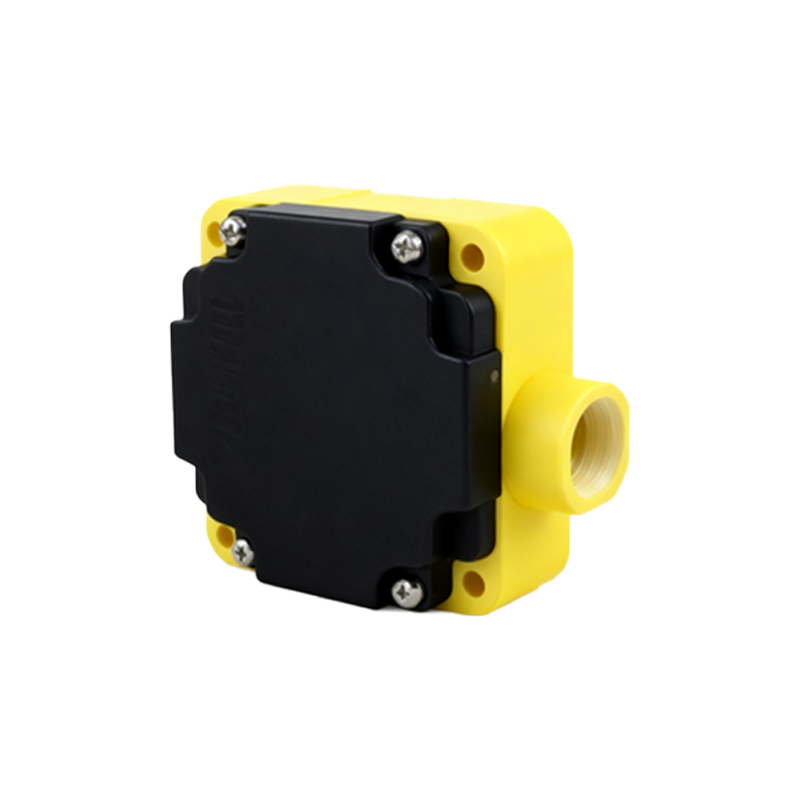
The applications of these sensors span numerous industries. In automotive manufacturing, they are used for precise positioning of components on assembly lines, ensuring seamless robotic operations. In logistics and warehousing, proximity sensors facilitate automated sorting and inventory management, optimizing supply chain efficiency. The food and beverage industry relies on them for hygiene-conscious non-contact detection, while in pharmaceuticals, they contribute to sterile packaging processes. Furthermore, the rise of smart cities has seen proximity sensors deployed in traffic management systems, parking assistance, and public safety monitoring.
Quality assurance is paramount in the manufacturing process. Rigorous testing protocols, including endurance trials under simulated operational stresses, are conducted to validate each sensor's performance. Compliance with international standards such as IEC 60947-5-2 and ISO 13849 ensures that products meet safety and reliability benchmarks. Manufacturers also prioritize customization, offering tailored solutions to address specific client needs, whether for miniaturized sensors in compact machinery or long-range variants for large-scale installations.
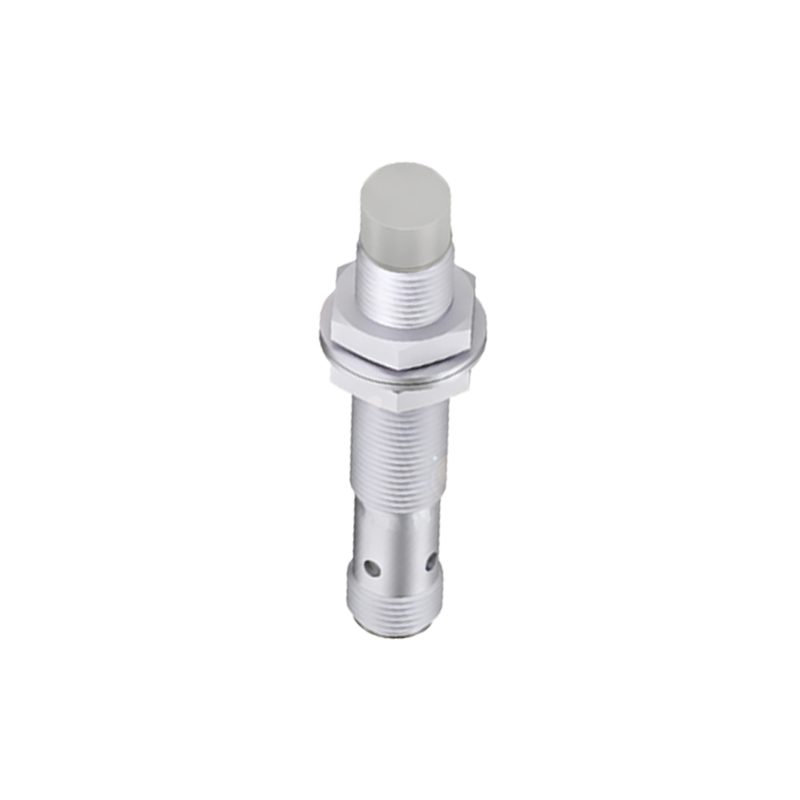
As Industry 4.0 gains momentum, the future of intelligent proximity sensor manufacturing looks toward greater interoperability and sustainability. Efforts are underway to develop energy-efficient models with reduced power consumption, aligning with global green initiatives. Collaborative robots (cobots) and autonomous vehicles will further drive demand for sophisticated sensors that enable safe human-machine interaction. By continuously innovating in materials science, data analytics, and production techniques, manufacturers are poised to redefine industrial automation, making systems smarter, more responsive, and inherently safer.
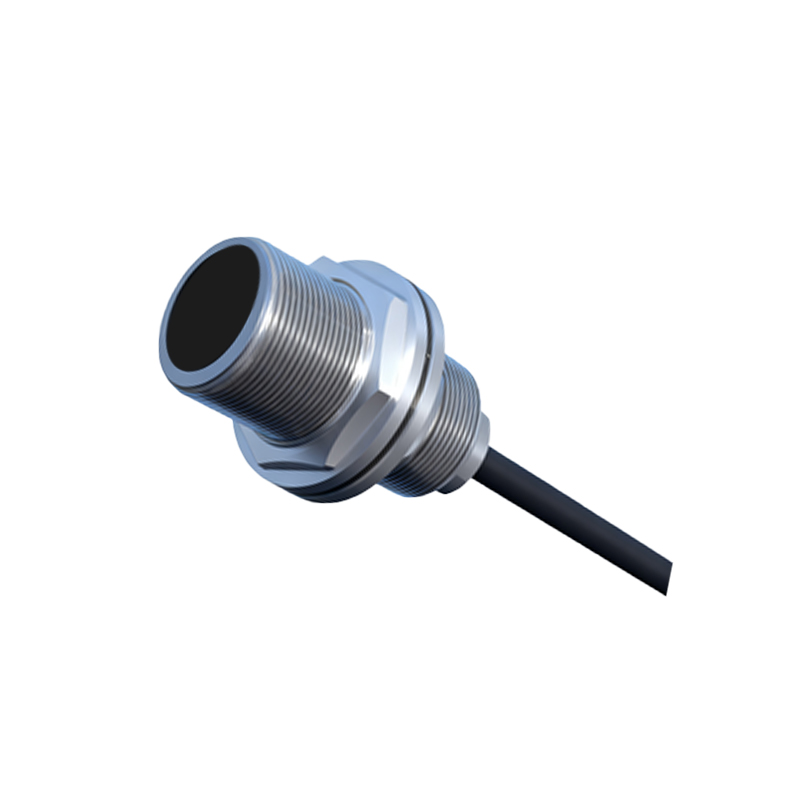
In conclusion, intelligent proximity sensor manufacturing represents a fusion of precision engineering and digital innovation. Through relentless research and development, manufacturers are not only meeting current industrial demands but also shaping the future of automated ecosystems, where seamless detection and communication form the backbone of progress.