Proximity switches with latching functionality are critical components in industrial automation, providing reliable object detection and state retention in machinery and control systems. However, like all electronic devices, they are susceptible to failures that can disrupt production lines and cause costly downtime. Understanding the common failure modes, their root causes, and effective troubleshooting methods is essential for maintenance engineers and technicians.
One prevalent issue is the failure to latch or unlatch properly. This can manifest as a sensor that remains in a detected state even after the target object has moved away, or conversely, one that fails to register the presence of an object. The primary culprits often lie in the sensor's internal circuitry or external environmental factors. Electrical noise from nearby motors, variable frequency drives (VFDs), or welding equipment is a frequent offender. This electromagnetic interference (EMI) can induce false signals in the sensor's output circuit, causing erratic latching behavior. Proper shielding, grounded conduits, and physical separation from noise sources are standard mitigation strategies.
Another common failure point is sensor degradation due to harsh operating conditions. Proximity switches in environments with excessive vibration, mechanical shock, or extreme temperatures can experience physical damage to internal components. The oscillator coil, a core element in inductive proximity sensors, can become damaged or detuned. Similarly, the output switching transistor or solid-state relay can fail due to overcurrent events, often caused by incorrect load matching or short circuits in the wiring. Contamination is another major threat; oil, coolant, metal chips, or dust infiltrating the sensor housing can coat the sensing face or damage electronics, leading to reduced sensing range and eventual failure.
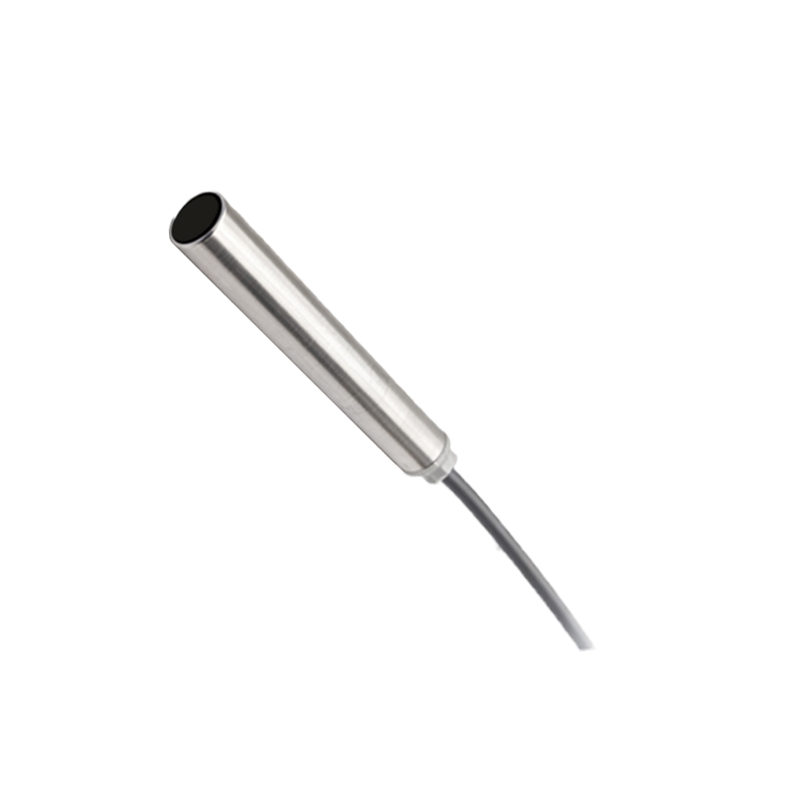
Diagnosing these faults requires a systematic approach. Begin with a visual inspection for obvious physical damage, contamination, or loose wiring connections. Check the installation to ensure the sensor is correctly aligned with the target and within its specified sensing distance. Using a digital multimeter, measure the supply voltage at the sensor's terminals to rule out power supply issues. Monitoring the output signal with an oscilloscope can reveal noise or signal integrity problems that a multimeter might miss. For latching sensors, it is crucial to verify the reset or unlatch signal's timing and integrity, as a faulty signal from the PLC or control system can mimic a sensor failure.
Preventive maintenance is key to maximizing sensor lifespan. This includes regular cleaning of the sensing face, periodic checks of mounting integrity and cable condition, and verifying electrical connections for tightness and corrosion. Implementing surge protection devices on the power and output lines can guard against voltage spikes. When replacing a failed sensor, always ensure the new unit matches the original specifications for sensing type (inductive, capacitive), output configuration (PNP/NPN, NO/NC), voltage rating, and housing material. Upgrading to a sensor with a higher IP (Ingress Protection) or IK (Impact Protection) rating may be warranted in particularly demanding environments.
In conclusion, while proximity switch latching sensor failures are inevitable in industrial settings, a deep understanding of their operation, common failure modes, and a disciplined approach to diagnosis and maintenance can significantly reduce their frequency and impact. By treating these sensors as vital system components and not just simple switches, engineers can ensure higher system reliability and operational efficiency.