In the rapidly evolving landscape of home automation, robotic vacuum cleaners have emerged as quintessential devices, epitomizing the integration of convenience and advanced technology. Central to their autonomous operation are proximity sensors, which serve as the electronic eyes and tactile feedback systems, enabling these robots to perceive and interact with their environment. This article delves into the technical intricacies, operational principles, and industry applications of proximity sensors in modern robotic vacuums, highlighting their pivotal role in navigation and obstacle avoidance.
Proximity sensors in robotic vacuums primarily utilize infrared (IR), ultrasonic, or time-of-flight (ToF) technologies. Infrared sensors operate by emitting an IR beam and detecting its reflection upon encountering an object. The time delay or intensity change in the reflected signal allows the robot to calculate the distance to the obstacle. This method is cost-effective and widely adopted for detecting nearby objects, such as furniture legs or walls. However, IR sensors can be susceptible to interference from ambient light or highly reflective surfaces, which may necessitate complementary sensor systems.
Ultrasonic sensors, on the other hand, emit high-frequency sound waves and measure the echo return time. These sensors excel in detecting transparent or dark objects that might be challenging for IR sensors, such as glass tables or black furniture. Their ability to operate effectively in varied lighting conditions makes them a robust choice for comprehensive environmental mapping. Yet, ultrasonic sensors may struggle with soft, sound-absorbing materials like curtains, requiring integration with other sensing modalities for optimal performance.
Time-of-flight sensors represent a more advanced approach, using laser or LED light sources to measure distance based on the time taken for light to travel to an object and back. ToF sensors offer high precision and rapid response times, facilitating detailed 3D mapping of surroundings. This technology is increasingly prevalent in premium robotic vacuums, enabling sophisticated features like room segmentation and virtual boundary setting. Despite their higher cost, ToF sensors enhance navigation accuracy, reducing the likelihood of collisions and improving cleaning efficiency.
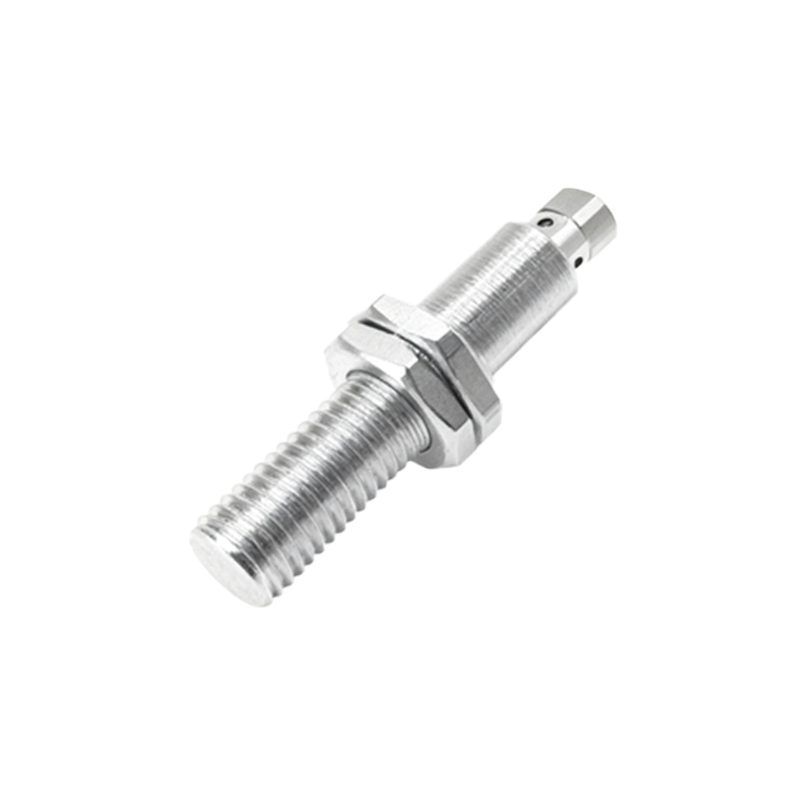
The integration of these proximity sensors into robotic vacuums involves complex algorithms and sensor fusion techniques. By combining data from multiple sensor types, the robot can create a cohesive and accurate representation of its environment. For instance, IR sensors might handle short-range detection, while ultrasonic sensors manage medium-range obstacles, and ToF sensors provide long-range mapping. This multi-sensor approach mitigates the limitations of individual technologies, ensuring reliable operation across diverse home settings.
In practice, proximity sensors enable key functionalities such as cliff detection to prevent falls down stairs, edge sensing for thorough cleaning along walls, and obstacle avoidance for navigating around household items. Modern robotic vacuums often incorporate machine learning algorithms to interpret sensor data, allowing the device to learn from its environment and optimize its cleaning paths over time. This adaptive capability not only enhances performance but also extends the device's lifespan by minimizing wear from unnecessary collisions.
Industry trends indicate a shift towards more intelligent and interconnected systems. The advent of the Internet of Things (IoT) has facilitated the integration of robotic vacuums with smart home networks, where proximity sensor data can be shared with other devices for coordinated automation. For example, a vacuum might receive real-time updates on furniture movements from smart sensors, adjusting its route accordingly. Additionally, advancements in miniaturization and energy efficiency are driving the development of smaller, more power-effective sensors, enabling sleeker robot designs without compromising functionality.
From an engineering perspective, the selection and calibration of proximity sensors require careful consideration of factors such as range, accuracy, power consumption, and environmental robustness. Manufacturers must balance technical specifications with cost constraints to deliver products that meet consumer expectations for reliability and performance. Regular testing in simulated home environments is crucial to validate sensor performance under realistic conditions, ensuring that the robot can handle common challenges like low-light areas or cluttered spaces.
In conclusion, proximity sensors are indispensable components in robotic vacuum cleaners, transforming them from simple cleaning tools into intelligent, autonomous agents. Through continuous innovation in sensor technology and data processing, these devices are becoming more adept at navigating complex environments, offering users unparalleled convenience. As the industry progresses, we can anticipate further enhancements in sensor capabilities, paving the way for even more sophisticated and efficient home automation solutions.