In the realm of industrial automation and control systems, proximity sensors are indispensable components. They detect the presence or absence of objects without physical contact, ensuring precision, reliability, and efficiency in countless applications from manufacturing assembly lines to robotic systems. The market is dominated by several established brands, each offering distinct technologies, including inductive, capacitive, ultrasonic, and photoelectric sensors. Understanding the leading manufacturers is crucial for engineers and procurement specialists aiming to optimize system performance and longevity.
Siemens, a German industrial giant, stands as a premier provider. Their extensive portfolio, under the SIMATIC and SIRIUS ranges, features robust inductive and ultrasonic sensors designed for harsh environments. Siemens sensors are renowned for high switching frequencies, exceptional durability, and seamless integration into Totally Integrated Automation (TIA) systems. They are a go-to choice for large-scale automotive and food & beverage processing plants where system coherence is paramount.
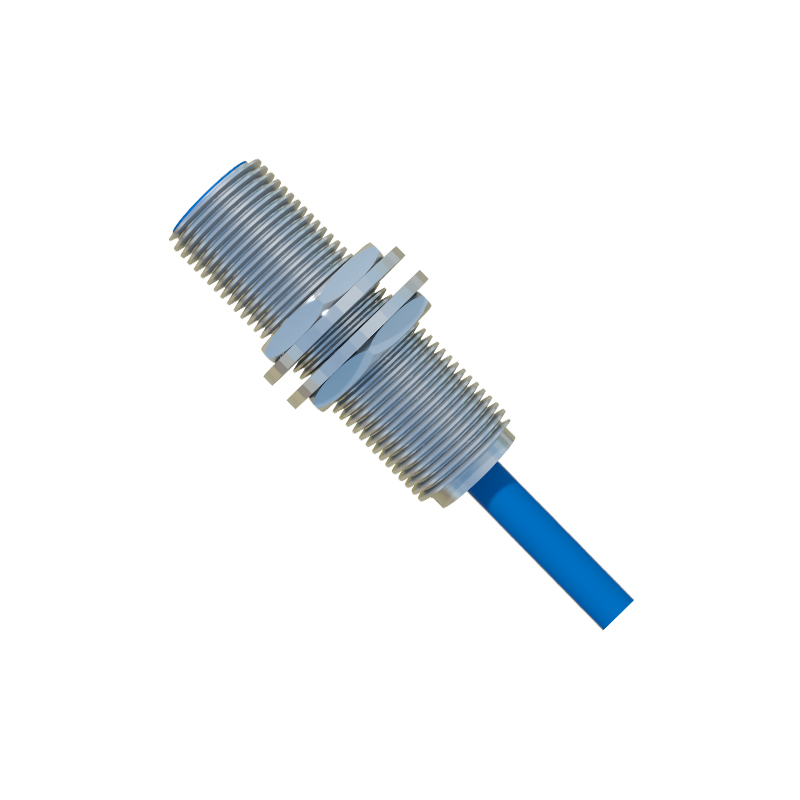
Another European leader, Schneider Electric, offers comprehensive solutions through its Telemecanique Sensors brand. Their XS and XU series inductive proximity sensors are industry benchmarks for reliability. Schneider emphasizes modularity and ease of use, with sensors that provide advanced diagnostics and IO-Link communication capabilities. This makes them ideal for smart factory applications where data collection and predictive maintenance are critical.
From Japan, Omron Corporation is a powerhouse in sensor technology. Omron's E2E and E2A series inductive sensors are celebrated for their compact size, high precision, and resistance to environmental interference. The brand is also a pioneer in photoelectric sensors, with models offering advanced background suppression and precise beam control. Omron consistently innovates in areas like condition monitoring, providing valuable data for Industry 4.0 initiatives.
Rockwell Automation, based in the United States, provides the Allen-Bradley line of proximity sensors. Known for rugged construction, these sensors excel in demanding North American heavy industries like mining and metalworking. Their Bulletin 871F and 872F series offer excellent noise immunity and are certified for use in safety applications. Rockwell's strength lies in its complete ecosystem, ensuring perfect compatibility with their PLCs and control systems.
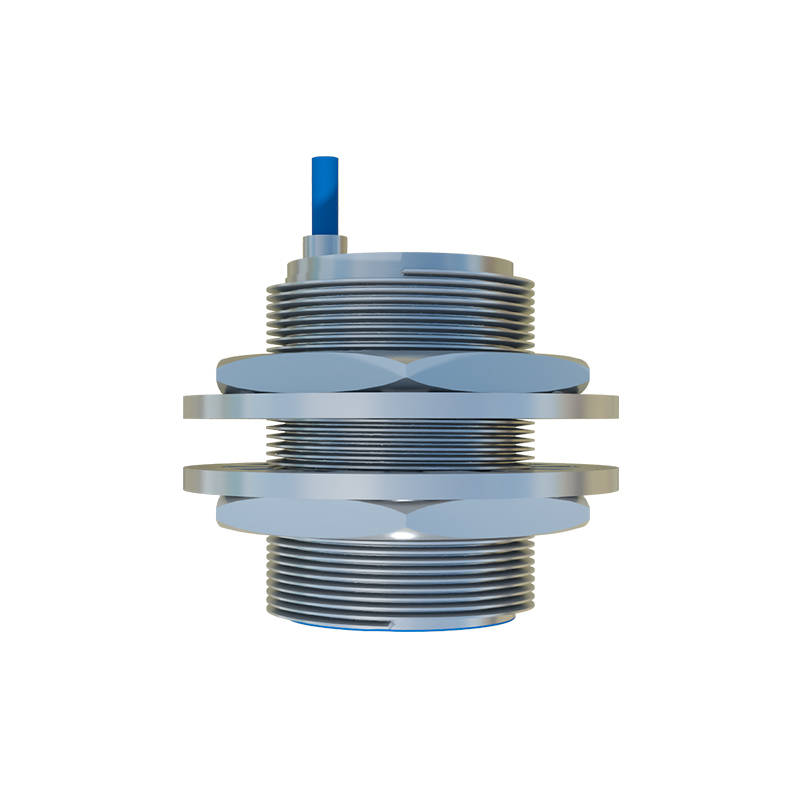
Pepperl+Fuchs, a German specialist in sensor technology and intrinsic safety, is synonymous with high-quality and innovation. They offer an exceptionally wide range, including particularly robust sensors for hazardous areas (ATEX/IECEx). Their patented Factor 1 concept for inductive sensors guarantees operational safety even with extreme installation tolerances. For chemical, pharmaceutical, or oil & gas industries, Pepperl+Fuchs is often the specified brand.
Balluff, another German expert, focuses on high-performance and networking capabilities. Their BALLUFFprox inductive sensors and innovative RFID systems are designed for the smart factory. Balluff excels in miniaturization and sensors with integrated IO-Link, providing detailed parameterization and process data. They are a preferred supplier for automated logistics and packaging machinery.
Turck, also from Germany, is renowned for its ruggedized sensor solutions. Their Q series family features sensors with high protection ratings (IP67/IP69K), stainless steel housings, and exceptional temperature ranges. Turck's multiprotocol connectivity options, including AS-Interface, make them versatile for decentralized applications. They are frequently deployed in washdown environments in the food industry and in outdoor applications.
Beyond these giants, reputable brands like IFM Electronic (Germany), SICK (Germany), and Keyence (Japan) also command significant market share. IFM is praised for user-friendly diagnostic features, SICK for high-precision photoelectric and ultrasonic sensors in logistics automation, and Keyence for ultra-high-speed and ultra-precision sensors in electronics manufacturing.
Selecting the right brand involves evaluating technical specifications like sensing distance, output type, housing material, and environmental ratings against the application's demands. However, factors like global supply chain support, local technical expertise, and long-term product availability are equally critical in industrial settings. The brands listed have proven their mettle through consistent innovation, quality, and support, forming the backbone of modern automated systems worldwide.