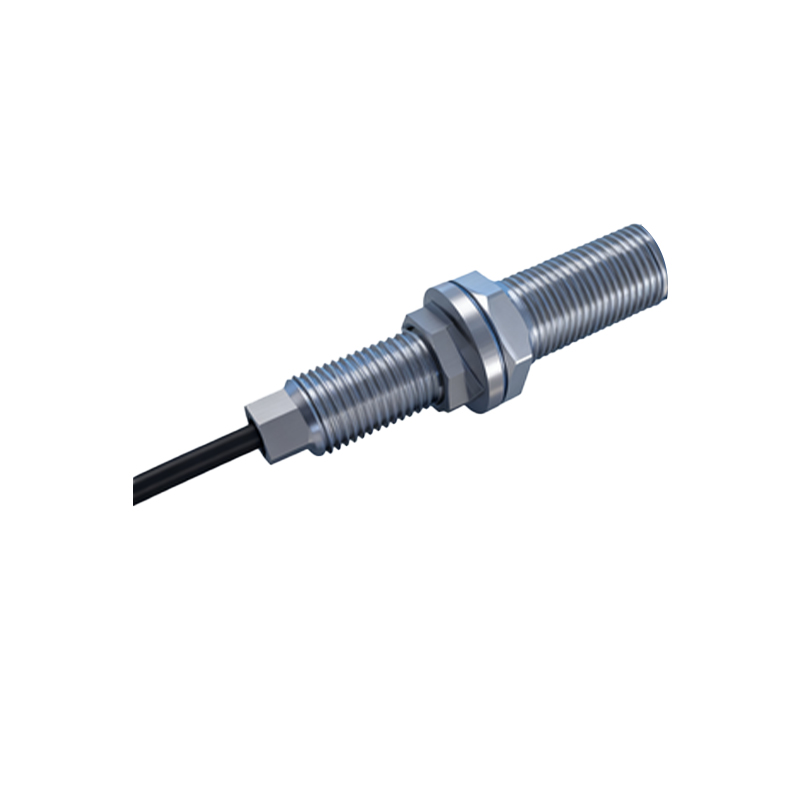
The CG3425NA proximity sensor represents a significant advancement in industrial sensing technology, designed to meet the demanding requirements of modern automation systems. As a non-contact sensing device, it operates on the principle of electromagnetic field detection, enabling precise object detection without physical interaction. This sensor is engineered for robustness and reliability, featuring a compact housing that withstands harsh industrial environments, including exposure to dust, moisture, and temperature variations. Its construction typically involves high-grade materials such as stainless steel or nickel-plated brass, ensuring durability and resistance to corrosion.
In terms of technical specifications, the CG3425NA offers a sensing range optimized for medium-distance applications, commonly between 5 to 15 millimeters, depending on the target material. It utilizes an inductive sensing mechanism, making it ideal for detecting metallic objects, including steel, aluminum, and copper alloys. The sensor outputs a digital signal, often in the form of a PNP or NPN transistor switch, which interfaces seamlessly with programmable logic controllers (PLCs) and other industrial control systems. Key parameters include a response time in the microsecond range, allowing for high-speed operations in assembly lines or robotic arms, and a repeat accuracy that minimizes false triggers. Additionally, it operates on a standard voltage supply, typically 10-30 VDC, with low power consumption to enhance energy efficiency in large-scale installations.
The applications of the CG3425NA proximity sensor span various industries, from automotive manufacturing to packaging and material handling. In automotive plants, it is used for position verification of components during assembly, such as detecting the presence of engine parts or ensuring proper alignment in welding stations. In packaging machinery, the sensor monitors product flow on conveyor belts, triggering actuators for sorting or filling processes. Its immunity to environmental interference, like vibration or electromagnetic noise, makes it suitable for heavy machinery and CNC equipment, where it aids in tool positioning and safety interlocks. Moreover, the sensor's easy integration and minimal maintenance requirements contribute to reduced downtime and operational costs.
Installation and calibration of the CG3425NA are straightforward, with mounting options including threaded barrels or bracket fixtures. Users should consider factors such as target size, material, and ambient conditions to optimize performance. For instance, larger metallic targets may extend the sensing range, while non-ferrous materials might require adjustment of sensitivity settings. Regular testing with a multimeter or oscilloscope can verify signal integrity, and adherence to manufacturer guidelines ensures longevity. As Industry 4.0 evolves, sensors like the CG3425NA are increasingly integrated into IoT networks, enabling real-time data collection for predictive maintenance and smart factory initiatives.
In summary, the CG3425NA proximity sensor is a versatile and dependable component in industrial automation, offering precision, durability, and adaptability. Its design aligns with global standards for safety and performance, making it a preferred choice for engineers seeking to enhance system efficiency and reliability. Future developments may focus on enhanced connectivity features or extended sensing capabilities, but the core functionality remains essential for modern manufacturing landscapes.