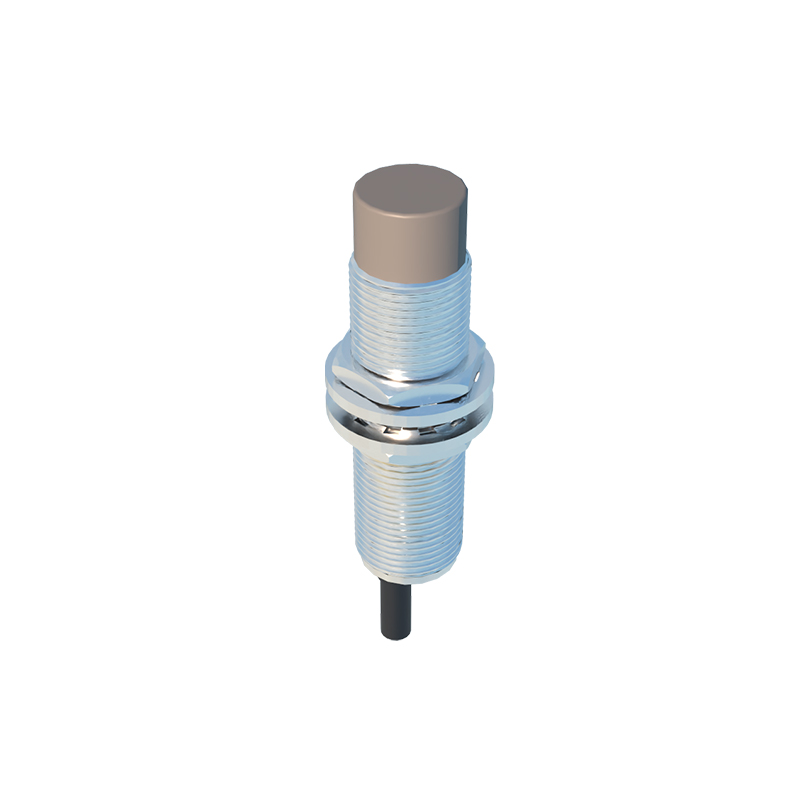
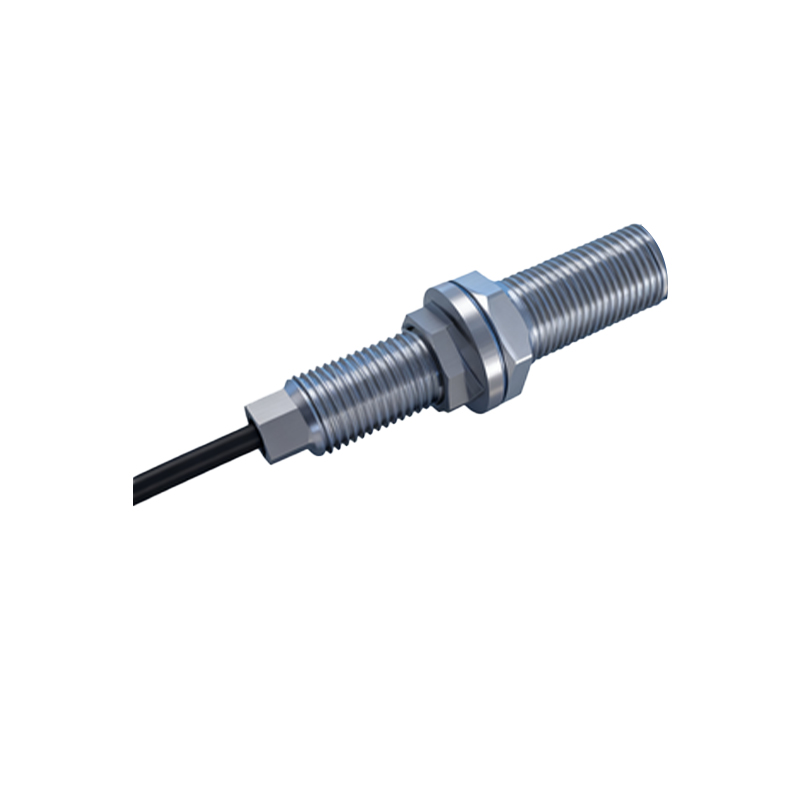
In the intricate world of industrial automation, the inductive proximity sensor stands as a fundamental and indispensable component. Often referred to simply as a proximity switch or sensor, this device operates on a non-contact principle, detecting the presence or absence of metallic objects without any physical touch. Its primary function is to provide a reliable electrical signal to a control system, such as a Programmable Logic Controller (PLC), upon detecting a target within its specified sensing range. This capability forms the backbone of countless automated processes, from manufacturing assembly lines to sophisticated robotic systems.
The core operational principle of an inductive proximity sensor is based on electromagnetic induction. The sensor contains an oscillator circuit that generates a high-frequency electromagnetic field at its active face. When a metallic object, known as the target, enters this oscillating field, eddy currents are induced on the surface of the target. These eddy currents draw energy from the sensor's oscillator, causing a measurable change in its amplitude. An evaluation circuit within the sensor detects this amplitude reduction and triggers a solid-state output switch. This output typically changes state, signaling the object's presence. It is crucial to note that the sensing distance, or switching distance, is standardized and depends on factors like the sensor's design and the target material's properties, with steel being the reference material.
The applications of these sensors are vast and critical. They are extensively used for precise position detection, such as confirming if a cylinder has reached its end position or if a part is correctly seated in a fixture. In conveyor systems, they count objects, control sorting gates, and monitor for jams. They provide vital feedback for machine safety, ensuring guards are closed or tools are in the correct position before a cycle begins. Their robustness, with no moving parts to wear out, allows for high-speed operation and exceptional reliability in harsh industrial environments filled with dust, oil, and vibration.
When selecting an inductive proximity sensor, several key parameters must be considered. The sensing range is paramount, but it is not the only factor. The housing material, typically nickel-plated brass or stainless steel, must withstand the environmental conditions. The output type, whether NPN (sinking) or PNP (sourcing), must be compatible with the control system's input card. Shielded (flush-mountable) or unshielded (non-flush) designs are chosen based on installation requirements; shielded sensors can be mounted flush in metal without affecting their sensing field, while unshielded types offer a longer range. Additionally, factors like switching frequency, temperature rating, and protection class (e.g., IP67 for dust and water immersion) are essential for ensuring long-term, trouble-free operation.
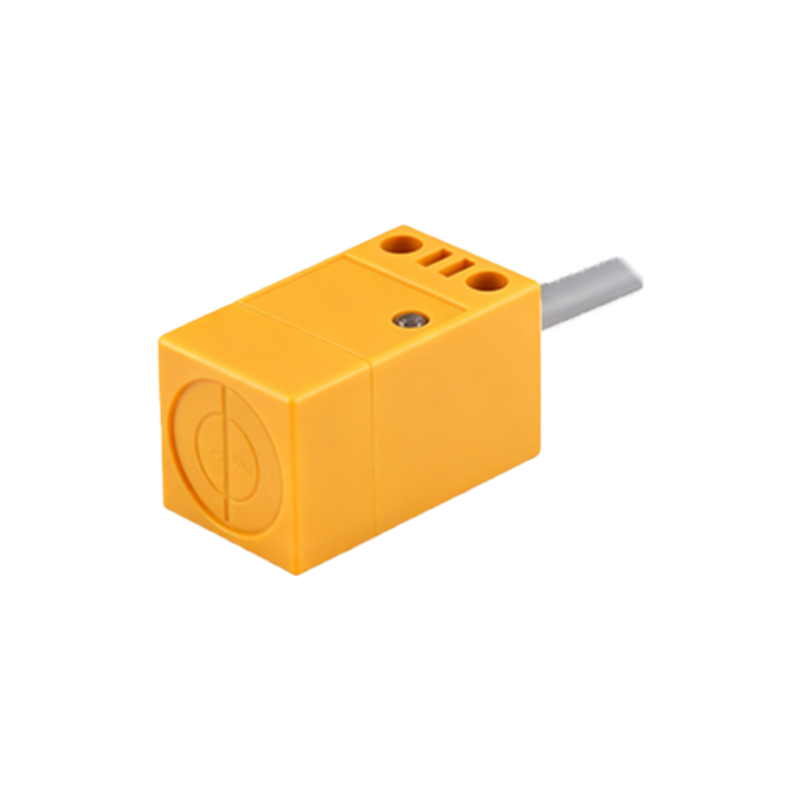
The advantages of inductive proximity sensors are clear: they offer long service life, high switching accuracy and repeatability, resistance to environmental contaminants, and the ability to detect objects at high speeds. However, their limitation is equally clear—they only detect metallic objects. For non-metallic targets, capacitive or photoelectric sensors are employed. Furthermore, different metals affect the sensing range; for instance, the effective sensing distance for aluminum or copper is less than that for mild steel, a factor accounted for by a correction factor specified in datasheets.
In conclusion, the inductive proximity sensor is a silent workhorse of industrial automation. Its role in enabling precise, reliable, and efficient machine control is irreplaceable. From simple presence detection to complex sequencing logic, it provides the essential "eyes" for machinery, translating physical position into actionable electrical data. As automation systems grow more complex and demand higher precision, the evolution of these sensors continues, with advancements in miniaturization, IO-Link communication for smart sensor capabilities, and enhanced resistance to electromagnetic interference, ensuring they remain a cornerstone of modern industrial engineering.